So you're looking for a chair workout that actually does something — not just some gentle arm waves that leave you wondering if it even counted. Good news: this 30-minute routine covers your whole body, from warm-up marches to cardio bursts to a proper cool-down stretch. The best picks in here are seated high knees (great if you want that heart-pumping cardio effect), seated knee extensions (best for anyone worried about standing up safely), and seated rows with a band (perfect if your posture's taken a hit from years of sitting). Whether you're just starting out or you've been at this for a while, there's a version here that fits.
What Are 30 Minute Chair Exercises for Seniors and Why They Work

A 30 minute chair exercises for seniors routine is exactly what it sounds like — a full-body workout done sitting down (or holding onto a chair), built to hit cardio, strength, and mobility all in one go. No floor work. No standing balance risk. No fancy equipment required, though a light dumbbell or resistance band never hurts.
Here's why it works, and honestly, it's not complicated:
- It's seated, so falls aren't a worry. Big deal for anyone with balance concerns.
- Thirty minutes hits the sweet spot — long enough to matter, short enough that you'll actually finish it.
- Full-body sequencing means your arms, legs, core, and heart all get worked, not just one part.
- Equipment is optional. A chair and maybe a water bottle. That's it.
- Low-impact by design. Arthritis, osteoporosis, recovering from surgery — this format plays nice with all of it.
How a 30 Minute Chair Exercise Routine Can Burn More Calories Than Walking
Yes, chair exercises really can burn more calories than a walk — here's the honest breakdown of why. A leisurely walk burns somewhere around 3 to 4 calories a minute for most older adults, which is fine, but it's not exactly setting the world on fire. A chair routine that mixes cardio bursts with strength moves and barely any rest keeps your heart rate up more consistently than a steady stroll does, and that's really the whole trick.
| Activity (30 Minutes) | Calories Burned (Roughly) |
|---|---|
| Casual walk, 2.5–3 mph | 90–120 |
| Chair workout, easy pace | 90–110 |
| Full chair circuit (this routine) | 120–160 |
| Chair aerobics + resistance band | 130–170 |
Numbers shift depending on your weight, age, and how hard you push it. But the pattern holds — a well-built chair circuit competes with walking, and often beats it.
Before You Begin: Safety Guidelines for This 30 Minute Chair Exercises for Seniors Routine

Before you begin, get your setup right — it makes a bigger difference than people expect.
Choosing the Right Chair
Not every chair works. Here's what does:
- Sturdy. No wheels, no swivel, no wobble.
- Flat seat, armless if possible (arms get in the way of a lot of these moves)
- Back against a wall if the chair feels light or shaky
- Seat height where your feet sit flat and your knees form roughly a 90-degree angle
Warning Signs to Stop Immediately
Look — this stuff matters. Don't skip it.
| If You Feel This… | Do This |
|---|---|
| Chest pain or tightness | Stop. Get help. Now. |
| Dizzy or lightheaded | Stop, sit back, sip some water |
| Sharp joint pain (not just tired muscles) | Skip that move, modify it |
| Winded beyond normal | Slow down, no shame in it |
What You'll Need
- A sturdy chair (mentioned above, but worth repeating)
- Shoes that won't slip
- Water. You'll want it.
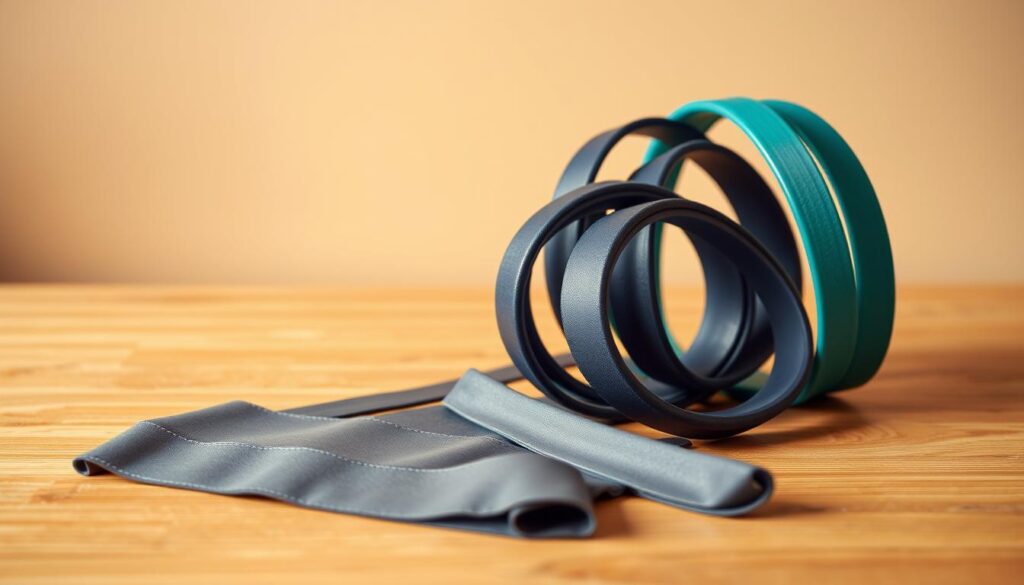
- Optional: light hand weights, 1–3 lbs, or a resistance band if you've got one lying around
The Complete 30 Minute Chair Exercises for Seniors Block by Block Workout Breakdown
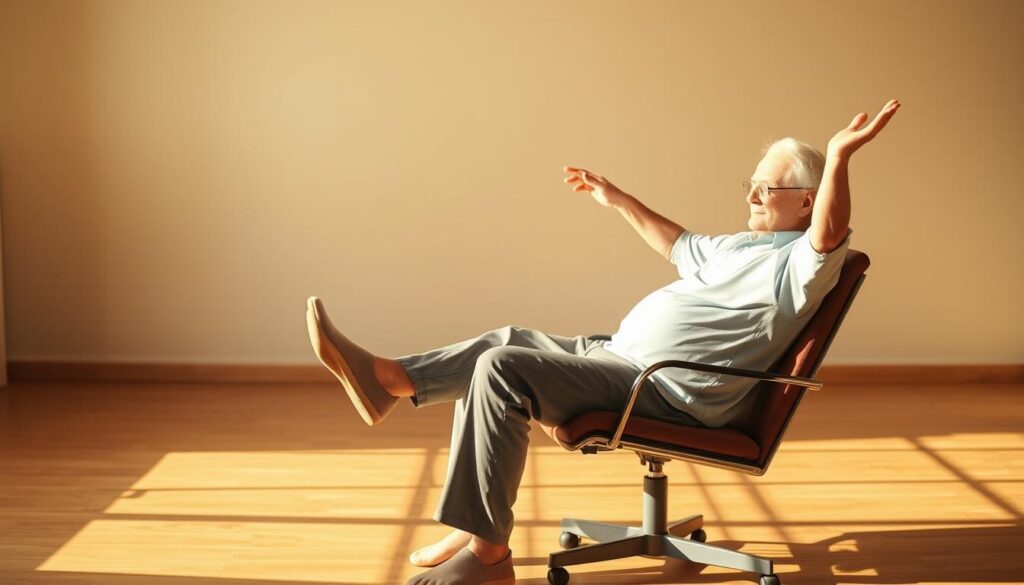

This routine breaks into five timed chunks, building up gradually and easing back down at the end — nothing thrown at you cold.
| Block | Time | What It's For |
|---|---|---|
| Warm-Up | 5 min | Getting joints moving, blood flowing |
| Upper Body Strength | 8 min | Arms, shoulders, back |
| Lower Body & Cardio | 8 min | Legs and heart rate, mainly |
| Core & Balance | 5 min | Trunk strength, posture |
| Cool-Down & Stretch | 4 min | Bringing things back down |
Block 1: Warm-Up (5 Minutes)
1. Seated Marching
Before you jump into anything intense, your body needs a signal that exercise is starting, and seated marching sends that signal gently by getting the blood moving through your legs without any jarring impact or balance demand whatsoever.
Muscle groups targeted:
- Hip flexors
- Quadriceps
- Core (lightly, for stability)
Benefits:
- Gets blood flowing to the legs before the real work starts
- Raises your heart rate gradually — no shock to the system
- Loosens up the hips, which helps with everything from getting out of a car to climbing stairs
Instructions:
- Sit tall toward the front of the chair.
- Lift your right knee toward your chest.
- Lower it back down with control.
- Repeat on the left side.
- Keep alternating for about 60 seconds, swinging your arms naturally as you go.
Best for: Pretty much everyone. Especially good if standing balance is shaky.
Why it's first: It's the gentlest move in the whole routine, and it sets up everything after it.
2. Shoulder Rolls
Your shoulders carry a lot of tension — from sleeping wrong, from sitting hunched over, from just being human — and shoulder rolls are a quick, no-fuss way to release that before you ask your upper body to do actual work later in the session.
Muscle groups targeted:
- Trapezius
- Deltoids
- Rotator cuff (light activation)
Benefits:
- Loosens tight shoulders (we're all guilty of carrying stress there)
- Eases upper back tension
- Preps the joints for the strength block coming up
Instructions:
- Sit tall with your arms relaxed at your sides.
- Lift both shoulders up toward your ears.
- Roll them back and down in a circular motion.
- Complete 10 rolls backward.
- Reverse direction and complete 10 rolls forward.

Best for: Anyone dealing with shoulder or neck stiffness — arthritis included.
Why it ranks here: Directly sets up the upper-body work that's next on the list.
3. Ankle Circles and Toe Taps
Weak or stiff ankles are one of the sneakier fall risks out there, and this simple pairing wakes up the ankles and gets circulation going in the lower legs before you've broken a sweat.
Muscle groups targeted:
- Tibialis anterior (front of the shin)
- Calves
- Ankle stabilizer muscles
Benefits:
- Better ankle mobility — a real fall-risk reducer
- Gets circulation going down in the lower legs
- Wakes up the feet, useful before any standing transitions
Instructions:
- Extend one leg out in front of you.
- Circle your ankle 10 times in one direction.
- Reverse and circle 10 times the other way.
- Plant that foot back down and tap your toes rapidly on the floor for 20 seconds.
- Switch legs and repeat the whole sequence.
Best for: Folks managing swelling, poor circulation, or diabetes-related foot issues.
Why it's here: Small move, big payoff. Ankle mobility matters more than people give it credit for.
Block 2: Upper Body Strength (8 Minutes)
4. Seated Chest Press
Nearly every task you do around the house — pushing open a heavy door, moving furniture, even getting up off a couch — relies on the same pushing muscles this move trains, which is exactly why it opens up the strength portion of the workout.
Muscle groups targeted:
- Chest (pectorals)
- Triceps
- Front deltoids
Benefits:
- Builds real pushing strength for daily stuff, like opening doors
- Works the chest and triceps
- Supports better posture overall
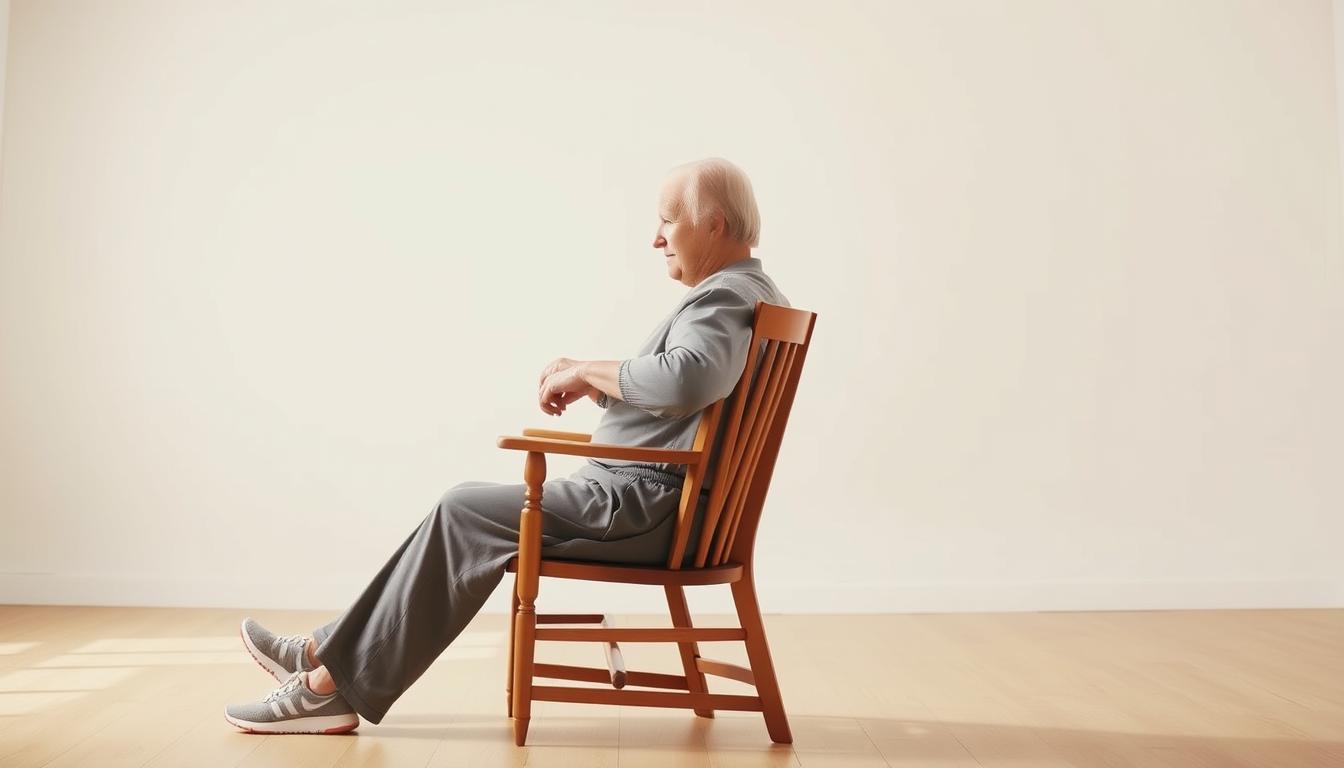
Instructions:
- Sit tall and hold your hands in front of your chest, elbows out to the sides.
- Press your arms straight forward until they're extended.
- Pause briefly at full extension.
- Bring your arms back to the starting position with control.
- Repeat for 12 to 15 reps.
Best for: Anyone wanting to stay independent with pushing and lifting tasks.
Why it's first in this block: It's one of the most functional moves you'll do all workout — translates straight to real life.
5. Seated Bicep Curls
Muscle loss (the technical term is sarcopenia, but nobody says that out loud) creeps up on everyone with age, and bicep curls are a direct, no-nonsense way to fight back against it while training the exact muscles you use to carry groceries.
Muscle groups targeted:
- Biceps
- Forearms
Benefits:
- Builds arm strength for carrying groceries, grandkids, whatever life throws at you
- Fights age-related muscle loss — a real concern, not hype
- Scales easily with or without weights
Instructions:
- Hold light weights in each hand (or go weight-free), palms facing up.
- Keep your elbows tucked close to your sides.
- Curl your hands up toward your shoulders.
- Lower back down slowly — don't just drop them.
- Repeat for 12 to 15 reps.
Best for: Beginners. Also great for anyone focused on preserving muscle mass.
Why it ranks here: Directly tackles one of the biggest fitness concerns for older adults.
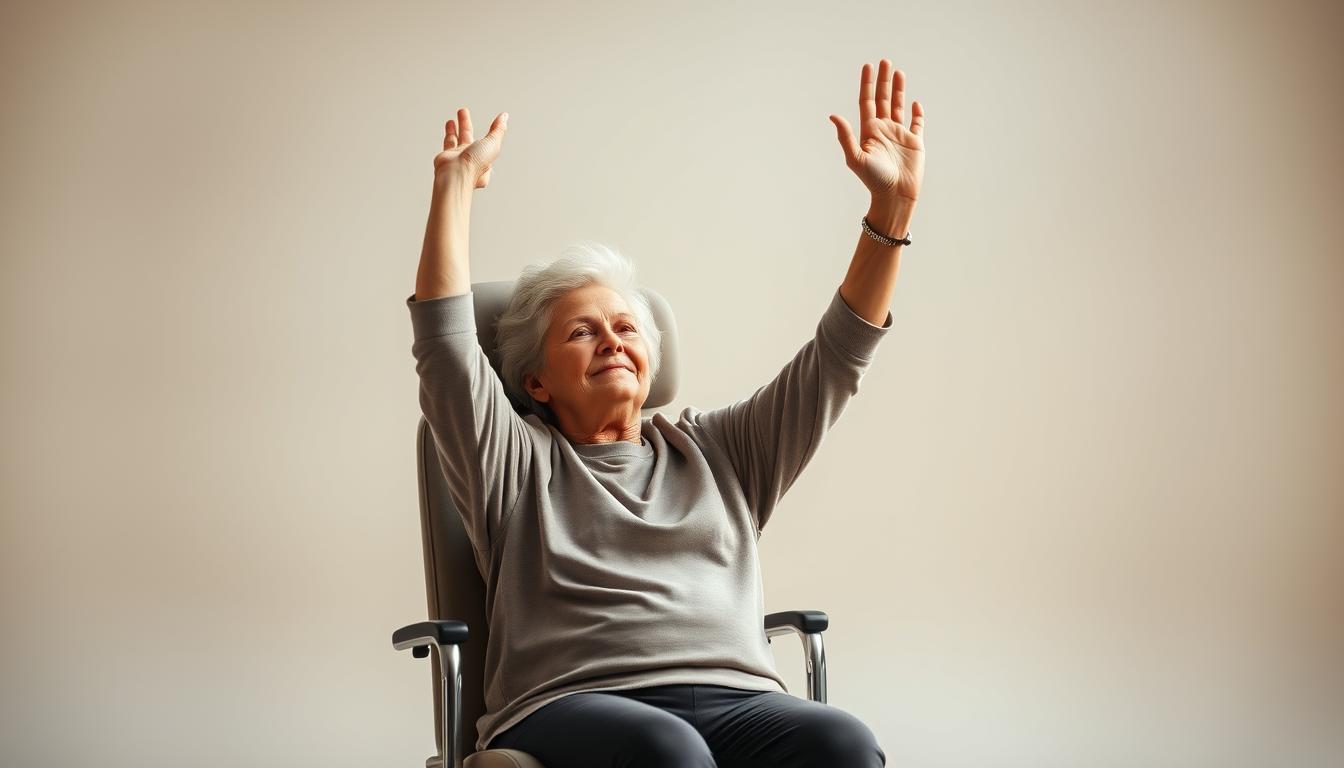
6. Overhead Press (Seated)
Reaching for something on a high shelf shouldn't feel like a gamble, and the overhead press builds exactly the shoulder strength and stability needed to make that motion feel safe and controlled again.
Muscle groups targeted:
- Shoulders (deltoids)
- Triceps
- Upper back stabilizers
Benefits:
- Strengthens shoulders for reaching overhead
- Improves posture and shoulder stability
- Builds functional pressing power
Instructions:
- Sit tall with hands raised to shoulder height, palms facing forward.
- Press both hands upward without fully locking the elbows.
- Pause briefly at the top.
- Lower back to shoulder height with control.
- Repeat for 10 to 12 reps.
Best for: Anyone with decent shoulder mobility and no rotator cuff pain.
Why it's ranked here, not higher: Great move, but it asks more of your shoulder range than the two before it.
7. Seated Row (Resistance Band Optional)
Years of sitting hunched over — at a desk, at the dinner table, wherever — tend to round the shoulders forward, and the seated row is the single best move in this block for pulling that posture back where it belongs.
Muscle groups targeted:
- Upper back (rhomboids, lats)
- Rear deltoids
- Biceps (secondary)
Benefits:
- Strengthens the upper back, fighting that slouched look
- Reduces shoulder rounding from sitting too much
- Supports spinal alignment
Instructions:
- Loop a resistance band around your feet or a sturdy anchor point.
- Hold one end in each hand with arms extended in front of you.
- Pull your elbows back, squeezing your shoulder blades together.
- Hold the squeeze for a second.
- Release slowly back to the starting position and repeat for 12 to 15 reps.
Best for: Anyone with a band handy — really good for posture fixes.
Why it's last here: Amazing move. Just ranks last because not everyone's got a band lying around.
Block 3: Lower Body & Cardio (8 Minutes)
8. Seated Knee Extensions
Standing up from a chair without wobbling or grabbing onto something comes down almost entirely to quad strength, and this exercise is the most direct way to build exactly that.
Muscle groups targeted:
- Quadriceps
- Hip flexors (secondary)
Benefits:
- Strengthens your quads — critical for standing up safely
- Supports knee stability
- Cuts fall risk from weak legs
Instructions:
- Sit tall toward the middle of the chair.
- Extend one leg straight out in front of you.
- Hold for 2 seconds at the top.
- Lower the leg back down slowly.
- Repeat for 12 to 15 reps, then switch legs.
Best for: Anyone with knee arthritis, or recovering from knee surgery (check with your doctor first — always).
Why it's first in this block: Quad strength might be the single biggest factor in staying independent. Not exaggerating.
9. Seated High Knees (Cardio Burst)
This is the move doing the heavy lifting on the calorie-burn front — the one that actually makes the "burns more than walking" claim hold up — and it works by getting your heart rate up fast through rapid, repeated leg movement.
Muscle groups targeted:
- Hip flexors
- Core
- Quadriceps
Benefits:
- Spikes your heart rate, which is really what drives that extra calorie burn
- Engages hip flexors and core at the same time
- Builds cardiovascular endurance
Instructions:
- Scoot to the front edge of the chair.
- Alternate lifting your knees as high as comfortable, moving quickly.
- Keep going for 30 to 45 seconds.
- Rest for about 20 to 30 seconds.
- Repeat the whole burst two more times.
Best for: Anyone cleared for moderate cardio effort.
Why it ranks where it does: Honestly? This might be the most important move in the whole routine for burning calories. Skip it and you're basically doing a strength workout, not a calorie-torcher.
10. Seated Leg Circles
Hip mobility tends to fade quietly over the years until suddenly getting in and out of a car feels harder than it used to, and leg circles work directly against that slow decline.
Muscle groups targeted:
- Hip stabilizers
- Outer and inner thigh muscles
- Core (for balance)
Benefits:
- Improves hip mobility
- Strengthens hip stabilizers
- Helps balance while walking
Instructions:
- Sit tall and extend one leg out in front of you.
- Draw slow, controlled circles in the air with that leg.
- Complete 10 circles in one direction.
- Reverse and complete 10 circles the other way.
- Switch legs and repeat.
Best for: Anyone working on hip flexibility, or recovering from a hip replacement (with your doctor's okay).
Why it's ranked here: Great mobility win. Just doesn't hit the cardio system the way high knees does.
11. Calf Raises (Seated or Standing-Assisted)
Blood pooling in the lower legs is a real concern for a lot of older adults, and calf raises are a small, simple move that helps pump that blood back where it needs to go.
Muscle groups targeted:
- Calves (gastrocnemius, soleus)
- Ankle stabilizers
Benefits:
- Strengthens calves — good for circulation and ankle stability
- Helps prevent blood pooling in the legs
- Supports balance during standing transitions
Instructions:
- Sit or stand with feet flat on the floor, hip-width apart.
- Lift both heels off the floor at the same time.
- Hold at the top for 2 seconds.
- Lower back down slowly.
- Repeat for 15 reps.
Best for: Anyone dealing with circulation issues or varicose veins.
Why it's last: Useful move, smaller muscle group. Ranks accordingly.
Block 4: Core & Balance (5 Minutes)
12. Seated Torso Twists
Every time you glance behind you while backing out of a driveway, you're relying on spinal rotation strength, and torso twists build exactly that in a way that's safe for most seated exercisers.
Muscle groups targeted:
- Obliques
- Deep core muscles
- Lower back (light engagement)
Benefits:
- Strengthens the obliques and core
- Improves spinal rotation — think checking blind spots while driving
- Supports better posture
Instructions:
- Sit tall with your hands crossed at your chest.
- Rotate your torso slowly to the right.
- Return to center.
- Rotate slowly to the left.
- Continue alternating for 10 reps each side.
Best for: Anyone without recent spinal surgery or severe osteoporosis.
Why it's first here: Safest, most functional core move in the bunch.
13. Seated Side Bends
Reaching sideways — grabbing something off a low shelf, picking something up beside you — uses muscles that side bends train directly, without any spinal twisting involved.
Muscle groups targeted:
- Obliques
- Lateral core muscles
Benefits:
- Strengthens the obliques
- Improves side-to-side flexibility
- Helps with sideways reaching
Instructions:
- Sit tall with your arms relaxed at your sides.
- Slide one hand slowly down along the chair leg toward the floor.
- Feel the stretch and contraction on the opposite side.
- Return upright to the starting position.
- Switch sides and repeat for 10 reps each side.
Best for: Anyone who wants gentle core work without any rotation involved.
Why it ranks here: Solid move. Just a slightly narrower benefit than the twist above it.
14. Seated Pelvic Tilts
Lower back pain is one of the most common complaints among older adults, and pelvic tilts — small as they look — target the deep core and back muscles that actually help with that.
Muscle groups targeted:
- Deep core (transverse abdominis)
- Lower back muscles
Benefits:
- Strengthens deep core and lower back
- Eases lower back pain
- Improves seated posture
Instructions:
- Sit tall with feet flat on the floor.
- Gently tilt your pelvis forward, arching your lower back slightly.
- Reverse the motion, tilting your pelvis backward and rounding your lower back slightly.
- Move slowly and stay in control the whole time.
- Repeat for 12 to 15 reps.
Best for: Anyone dealing with chronic lower back discomfort.
Why it's last: Subtle move. Effective, but narrower in what it targets compared to the others in this block.
Block 5: Cool-Down & Stretch (4 Minutes)
15. Seated Hamstring Stretch
Tight hamstrings are basically a given after 26 minutes of seated exercise, and this stretch is the most direct fix, loosening up the back of the legs before you call it a day.
Muscle groups targeted:
- Hamstrings
- Lower back (light stretch)
Benefits:
- Improves flexibility in the backs of the legs
- Cuts down post-workout stiffness
- Supports a better walking stride
Instructions:
- Sit toward the front of the chair and extend one leg out straight.
- Flex your foot so your toes point up.
- Hinge gently forward from your hips, reaching toward your toes.
- Stop as soon as you feel a gentle stretch — don't force it.
- Hold for 20 seconds, then switch legs.
Best for: Everyone. No exceptions here.
Why it ranks here: Perfect closer. Targets the tightest muscle group after all that seated work.
16. Seated Chest & Shoulder Stretch
Hours of pushing, pressing, and rowing tend to leave the chest and shoulders tight, so this final stretch opens things back up and brings your heart rate down at the same time.
Muscle groups targeted:
- Chest (pectorals)
- Front shoulders
- Biceps (light stretch)
Benefits:
- Opens the chest, undoing hours of hunched sitting
- Relieves upper body tension
- Brings your heart rate back down to resting
Instructions:
- Sit tall and clasp your hands together behind the back of the chair.
- Gently lift your hands slightly upward.
- Open your chest forward as you do this.
- Keep breathing steadily throughout.
- Hold for 20 to 30 seconds.
Best for: Anyone who sits a lot during the day (so, most people).
Why it's last: Best possible way to end the session — releases the tension built up during the upper-body block.
30 Minute Chair Exercises for Seniors: Weekly Schedule
A weekly schedule for this routine looks like three full sessions a week with rest days sprinkled in between — consistency matters way more than pushing every single day.
| Day | Plan | Notes |
|---|---|---|
| Monday | Full 30-min routine | Standard pace |
| Tuesday | Rest or light stretching | Recovery |
| Wednesday | Full 30-min routine | Standard pace |
| Thursday | Rest, or a short walk | Active recovery |
| Friday | Full 30-min routine | Standard pace |
| Saturday | Lighter version, skip the cardio bursts | Good for beginners |
| Sunday | Rest | Full recovery |
Modifying This 30 Minute Chair Exercise Routine by Mobility Level
Not everyone's starting from the same place, and modifying the routine by mobility level is how you make sure it actually fits you.
Beginner Modifications
- Skip the high-knee cardio bursts, march slower instead
- No weights needed yet
- Cut reps down to 8–10 per move
Intermediate Modifications
- Follow the routine as written, no changes needed
- Add 1–3 lb weights to the upper body moves
- Push cardio bursts to 45 seconds
Advanced Modifications
- Add a resistance band to leg extensions and rows
- Bump cardio bursts up to 60 seconds, add two extra rounds
- Try ankle weights on the lower-body block for extra resistance
Tracking Calorie Burn and Progress From Your 30 Minute Chair Exercises for Seniors Sessions
Tracking progress doesn't need to be complicated — a few simple numbers tell you almost everything you need to know.
| What to Track | Why It Matters | How to Track It |
|---|---|---|
| Heart rate during cardio bursts | Confirms you're actually working at a moderate pace | Fitness watch or just check your pulse |
| Reps completed per move | Shows strength gains over the weeks | Notebook, whatever's handy |
| How hard it feels (1–10 scale) | Keeps you in a safe, effective zone | Rate it yourself after each session |
| Days completed each week | Consistency beats intensity, every time | Calendar, phone reminder, sticky note |