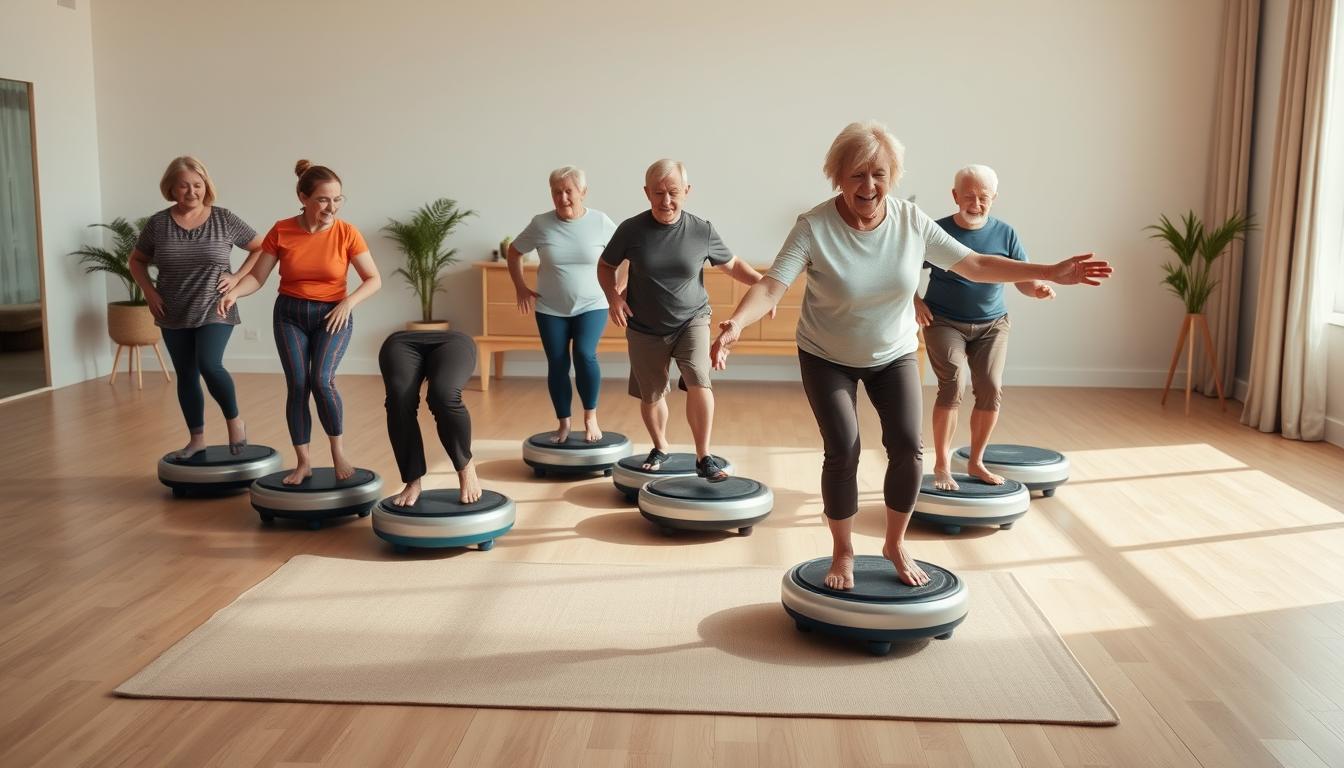
Want to stay steady on your feet and laugh while doing it? Let’s talk about how a simple wobble-friendly gadget can sharpen your coordination and make spills less likely. Spoiler: You don’t need ninja skills—just a willingness to rock side-to-side like you’re slow-dancing with a mildly rebellious kitchen stool.
Physical activity, even in small doses, slows muscle decline and builds sturdiness. But here’s the kicker: consistency beats intensity. I’ve seen people in their 70s transform wobbly knees into confident strides by spending just five minutes daily on a stability tool. Think of it as brushing your teeth—but for your legs.
These aren’t just fancy moves—think “rock the boat” drills that target flexibility and footwork. One person joked it felt like “arguing with a grumpy cat”, but guess who now navigates icy sidewalks like a pro? The secret? Start small. Even standing on one foot while microwaving leftovers counts as progress.
Look, I’m not saying you’ll suddenly master skateboard tricks. But improving stability isn’t about perfection—it’s about showing up, giggling at the wobbles, and celebrating tiny wins. Ready to turn shaky moments into “heck yeah, I’ve got this” victories?
Setting the Stage: The Science Behind Balance and Stability
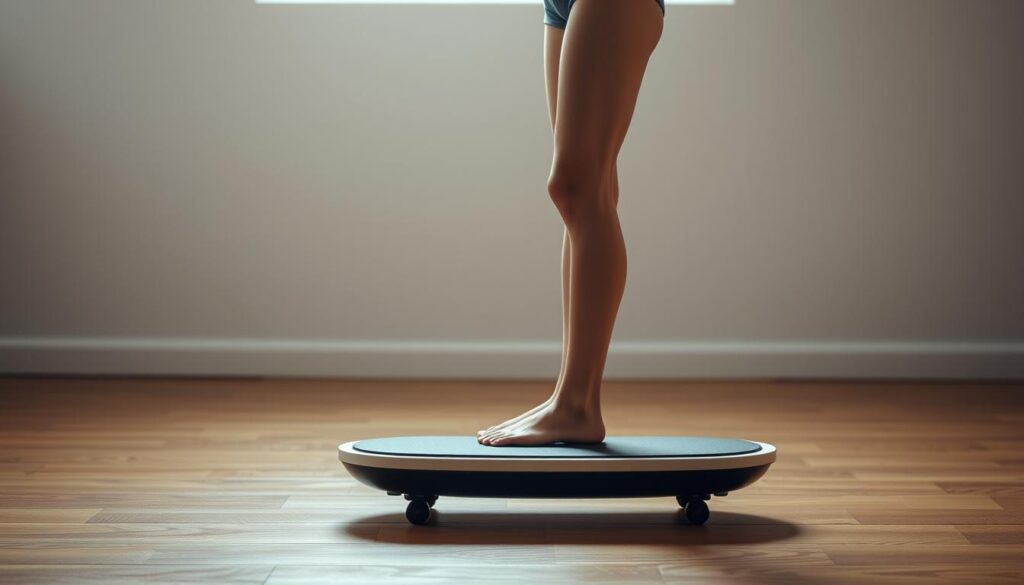
What if I told you staying upright is a full-body conversation? It’s not just your legs chatting—your eyes, inner ear, and even your pinky toe’s muscles are texting your brain “Hey, we’ve got this!” every second. Let’s unpack how these systems throw a non-stop stability party.
Muscle Dynamics and Proprioceptive Cues
Your muscles aren’t solo artists—they’re a boy band. When you nail that starting position (feet hip-width, knees slightly bent), they harmonize with nerve signals to keep you vertical. Ever notice how returning to your starting position after a wobble feels like hitting “reset” on a Wi-Fi router? That’s proprioception—your body’s GPS—recalibrating.
Understanding Visual and Vestibular Inputs
Your eyeballs and inner ear are the ultimate wingmen. Try this: stand on a firm floor surface and focus on a wall spot. Now close one eye. Feel that subtle sway? That’s your visual system arguing with your vestibular system about which way’s up. Training these inputs is like teaching old friends to dance together—awkward at first, but magical once they sync.
Balance Board Exercises for Seniors: Essential Techniques and Safety
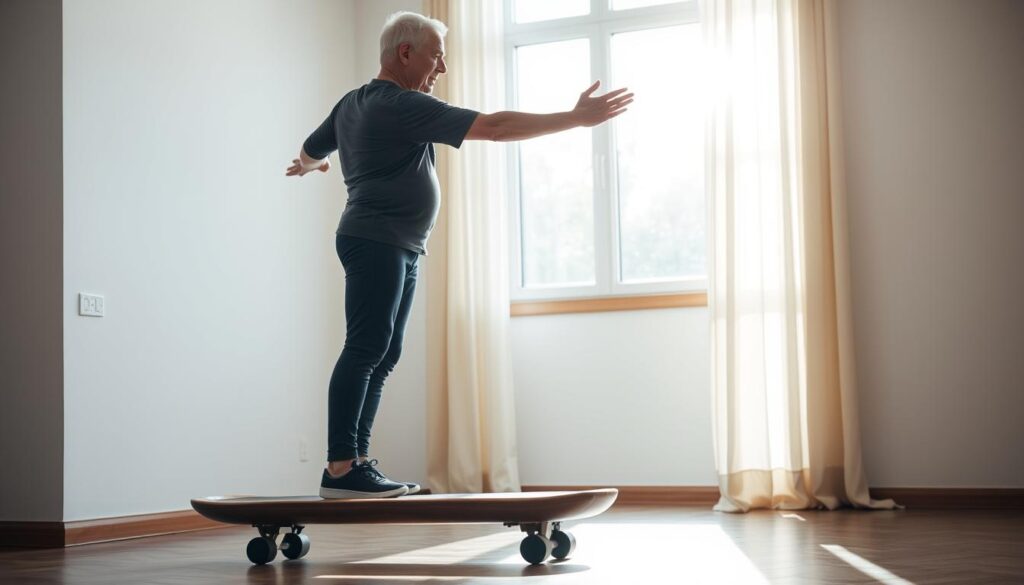
Mastering stability is like building a house—start with a strong foundation. I’ve seen too many people rush into advanced moves only to realize their starting position was as stable as a flamingo on roller skates. Let’s fix that.
Maintaining a Solid Starting Position
Think of your stance as your GPS for joints. Here’s how to lock it in:
- Plant feet hip-width apart—like you’re straddling an invisible yoga ball
- Bend knees slightly (no deeper than a polite nod to the Queen)
- Keep one hand grazing a wall or chair—your safety net
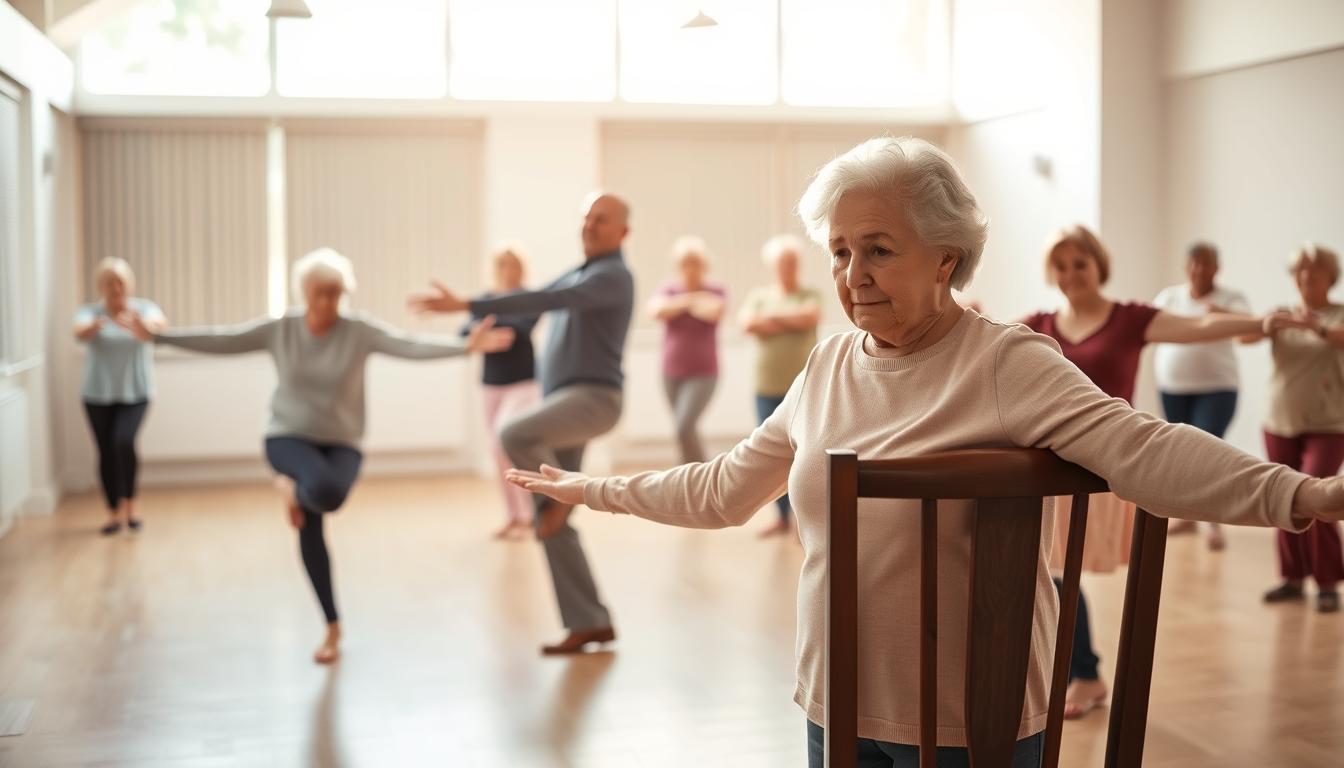
This isn’t just standing—it’s active waiting. Your muscles should hum like a fridge motor, not scream like a teakettle.
Safe Variations for Beginners
New to the wobble life? Try these tweaks:
- Practice on a carpeted surface first—it’s like training wheels for your foot
- Do mini reps (3-5 seconds) before progressing
- Return to your starting position after each move—it’s your reset button
Building Strength: Targeting Legs, Core, and Beyond
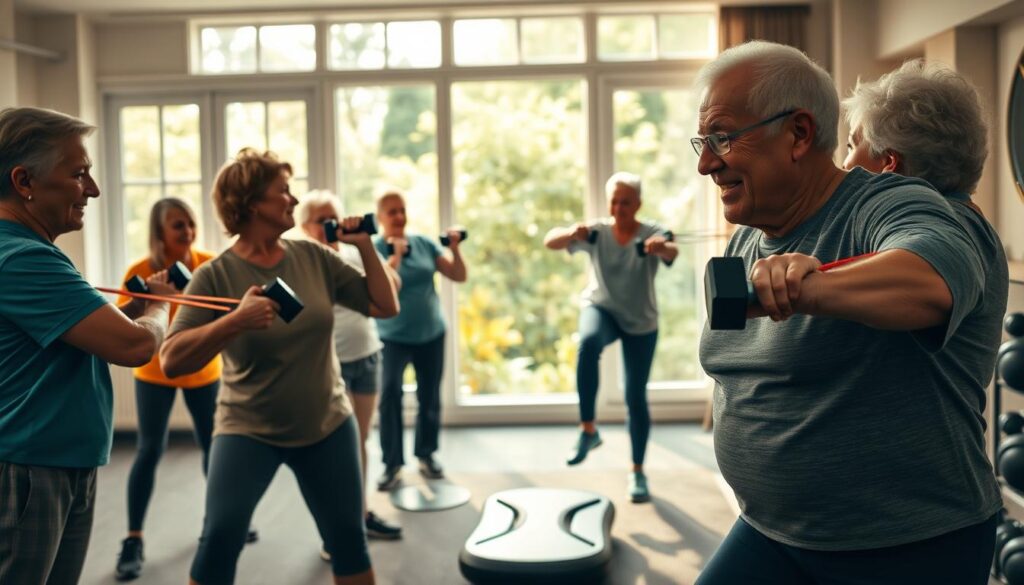
Your legs aren’t just pillars—they’re conversation starters. When you strengthen them, you’re hosting a networking event for your muscles, joints, and nervous system. Let’s talk about turning shaky whispers into confident declarations.
Focusing on Quads, Calves, and Glutes
Think of your lower body as an orchestra. The quads are the brass section—loud and powerful. Calves handle rhythm like percussionists. Glutes? They’re the conductors keeping everything in sync. Here’s how to make beautiful music:
Chair squats work wonders. Start by hovering over a seat like you’re avoiding a suspicious pancake. Lower slowly—three Mississippi counts—then rise. Feel that burn in your legs? That’s your quads RSVP-ing to the strength party.
For calves, try “tippy-toe grocery grabs.” Reach for a high shelf while lifting your heels. Hold for two breaths. Do three reps while waiting for coffee. You’ll build stability without rearranging your day.
Your core isn’t just abs—it’s your body’s corset. Try balancing on one foot while folding laundry. That slight wobble? That’s your deep core muscles texting “We’ve got your back!” to your spine.
One of my regulars calls this “stealth training.” She strengthened her glutes by doing heel lifts during TV ads. Now she climbs stairs like she’s auditioning for a hiking commercial. The secret? Tiny efforts compound faster than you’d think.
Staying Grounded: Posture, Form, and Preventing Falls
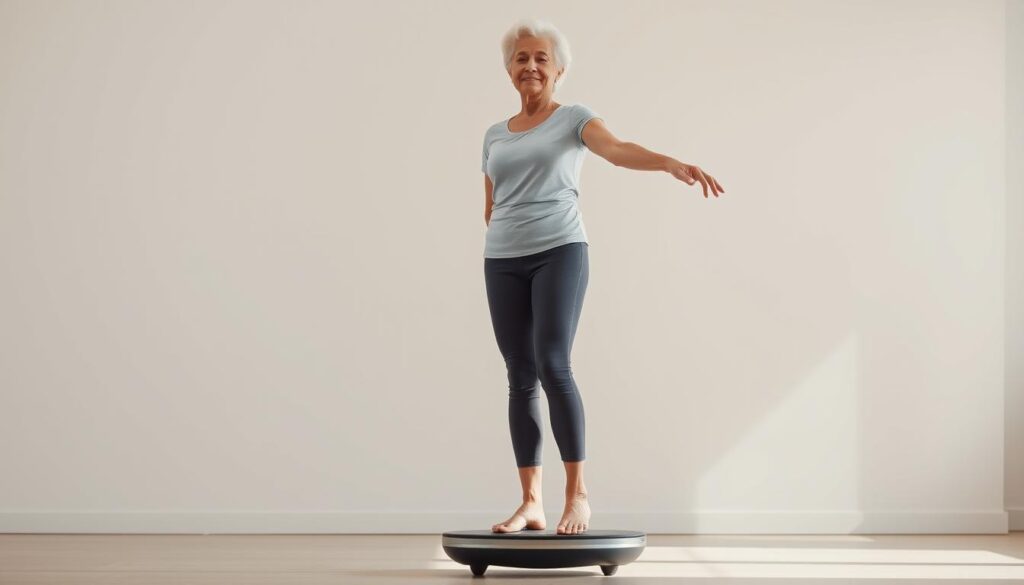
Ever tried standing on a subway car without holding on? That’s what good posture feels like when you’re starting out—a little shaky but totally doable with practice. Let’s talk real-world strategies to keep you upright and grinning, even when your body thinks it’s auditioning for a slapstick routine.
Using Wall or Chair Support for Added Security
Your new best friend? That wall you’ve been ignoring. Here’s how to use it:
- Plant your feet hip-width apart like you’re ready to catch a beach ball
- Keep one fingertip grazing the surface—think “light as a butterfly” contact
- Bend those knees slightly, like you’re nodding “yes” to good posture
Keeping Your Gaze Fixed for Better Balance
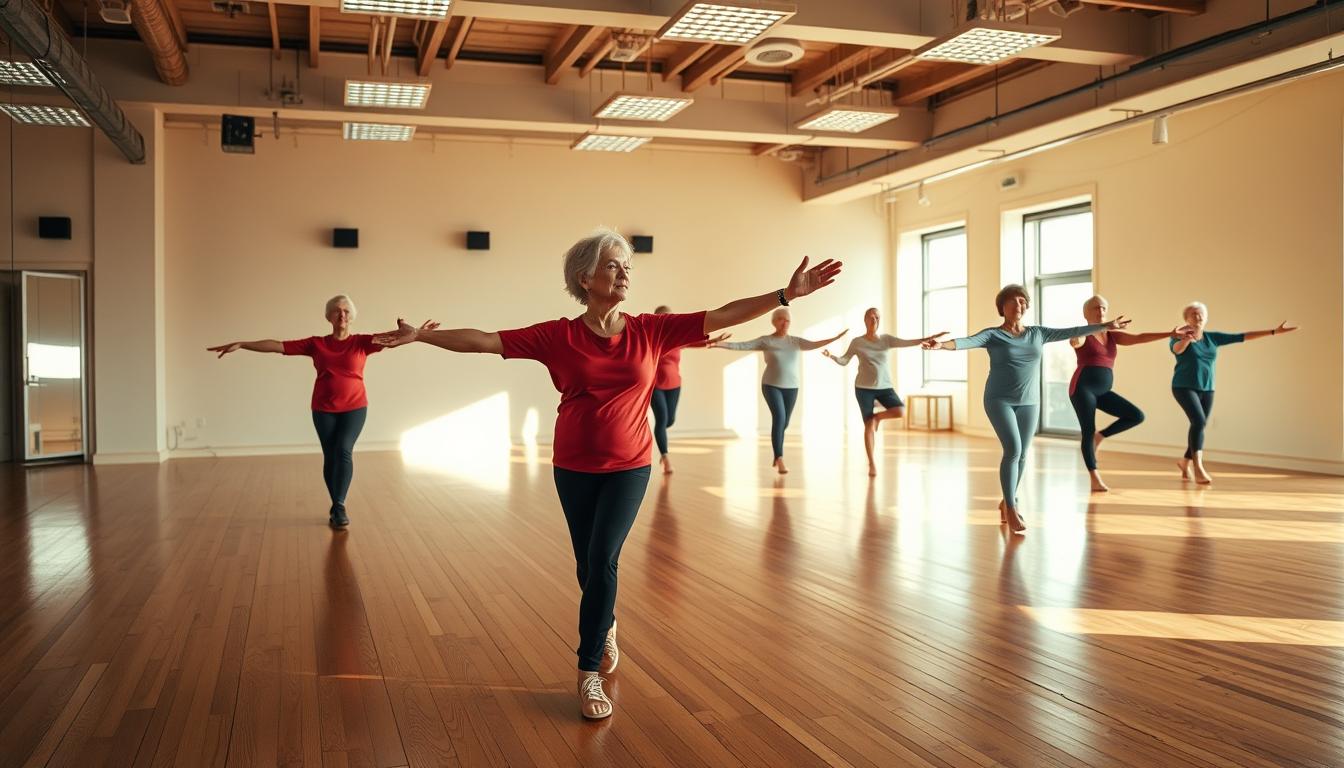
Your eyes aren’t just for rolling at bad TV plots. Pick a spot at eye level—a picture frame works great. When your stare wanders, your balance follows like a distracted puppy.
Mixing It Up: Dynamic Moves for Improving Coordination
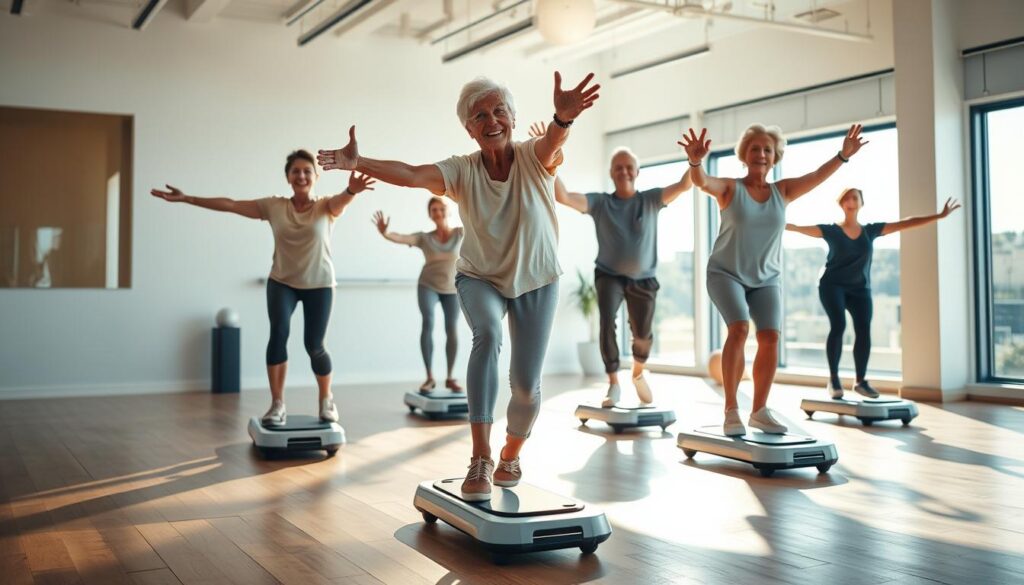
Who says stability work has to be predictable? Research shows shifting your weight across multiple directions sparks new connections between muscles and nerves. It’s like teaching your arms and legs to salsa dance together—awkward at first, but wildly effective once they find the rhythm.
Integrating Multi-Directional Weight Shifts
Start with this game-changer: the “Pendulum Play.” Stand with feet wider than your hips. Shift weight to one side until your opposite heel lifts. Swing your arms like you’re swatting beach balls—left when leaning right, right when leaning left. Feels like balancing on a seesaw? Perfect.
Now try the “Clock Challenge.” Imagine your foot is the clock’s center. Reach one hand toward 3 o’clock, then shift weight as you swing to 9. Keep your back straight like you’re dodging low branches. Three reps each side wakes up sleepy stabilizer muscles.
Step-by-Step Tutorial: Exercises to Boost Confidence and Balance
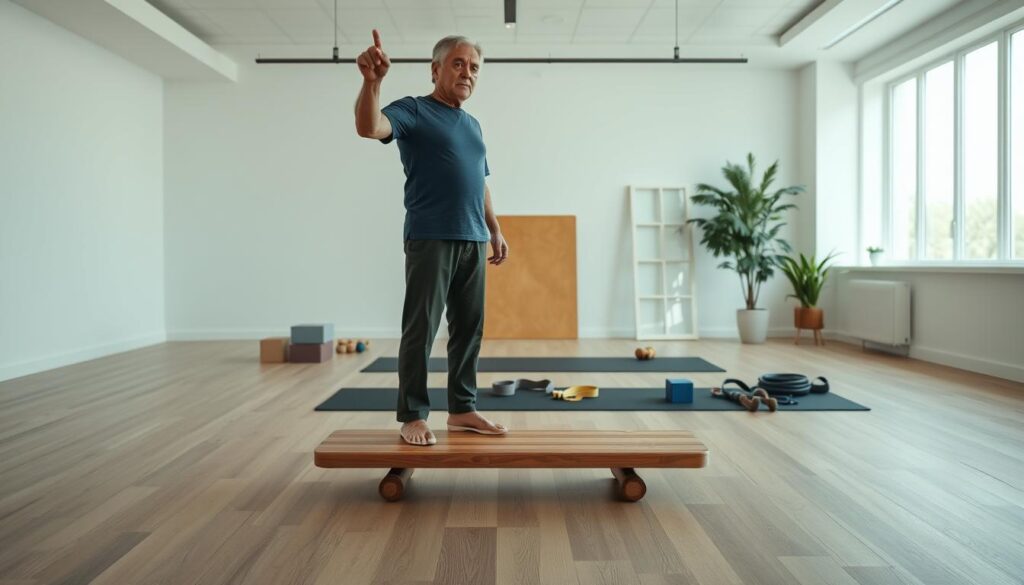
Let’s turn shaky moments into rock-solid confidence with moves that feel like dancing with gravity. I’ll walk you through two game-changing drills I’ve used with dozens of friends—no equipment needed, just your fabulous self and maybe a nearby wall for moral support.
Rock the Boat for Core Engagement
Start by standing tall like you’re waiting for a hug. Shift weight to your left foot, then slowly lift your right heel. Imagine you’re trying to “tip a canoe without spilling your imaginary coffee.” Hold for three breaths, then return starting position. Do three reps per side—your core will light up like a Christmas tree by rep two.
Pro tip: Keep your lifted knee slightly bent. One person calls this her “disco sway” move—she practices while humming ABBA songs. The key? Controlled wobbles beat perfect stillness every time.
Heel-to-Toe Walk to Enhance Lower-Body Stability
Channel your inner tightrope walker. Place your right heel directly in front of your left toes on a flat floor surface. Take five steps forward, arms out like you’re balancing trays. Feel your glutes and legs negotiating? That’s teamwork!
When you pivot to return starting point, focus on squeezing your shoulder blades. A regular in my class jokes this makes him feel like “a penguin practicing ballet.” Do two rounds daily—bonus points if you pretend you’re walking on laser beams.