Walking consistently burns calories, strengthens your heart, and can add years to your life—especially for adults over 60 who need a safe, sustainable exercise approach.
Why Walking Is the Perfect Exercise for Senior Weight Loss and Longevity
Walking delivers weight loss results without joint damage while extending lifespan through cardiovascular improvements, making it the ideal exercise for older adults.
The Science Behind Walking for Senior Health
Regular walking transforms senior health through multiple biological mechanisms:
Metabolic Benefits
- Increases calorie expenditure by 150-300 calories per hour at moderate pace
- Preserves lean muscle mass during weight loss
- Improves insulin sensitivity by up to 30%
- Maintains metabolic rate despite age-related decline
Cardiovascular Improvements
- Reduces heart disease risk by 31%
- Lowers blood pressure by 4-9 mmHg
- Decreases resting heart rate over time
- Strengthens cardiac muscle without excessive strain
Joint Protection
- Provides impact force of only 1-1.5 times body weight (compared to running's 2-3 times)
- Lubricates joints through gentle movement
- Strengthens supporting muscles around knees and hips
- Reduces arthritis pain through improved circulation
Walking also releases endorphins that combat depression and anxiety. Studies show seniors who walk regularly experience 40% fewer depressive symptoms than sedentary peers.
Weight Loss Benefits of Walking for Seniors
A 160-pound senior burns approximately 250 calories during a 60-minute walk at moderate pace. This creates a weekly deficit of 1,750 calories from daily walking alone—enough to lose one pound every two weeks without dietary changes.
Why Walking Works for Older Adults
| Benefit | Impact on Weight Loss |
|---|---|
| Low injury risk | Enables consistent daily exercise without forced breaks |
| Muscle preservation | Maintains metabolism during calorie deficit |
| Sustainable intensity | Allows 30-60 minute sessions without exhaustion |
| No equipment costs | Removes financial barriers to consistency |
The gradual nature prevents the metabolic adaptation that often derails aggressive diets. Your body doesn't trigger starvation responses when weight loss occurs slowly through increased activity.
Realistic expectations matter. Most seniors lose 0.5-1 pound weekly through walking combined with modest calorie reduction. This pace protects muscle mass and proves sustainable long-term.
How Much Walking Do Seniors Need for Weight Loss and Longevity?
Seniors should walk 150 minutes weekly at moderate intensity for weight loss, though even 75 minutes provides substantial longevity benefits according to CDC guidelines.
Recommended Walking Duration for Senior Weight Loss
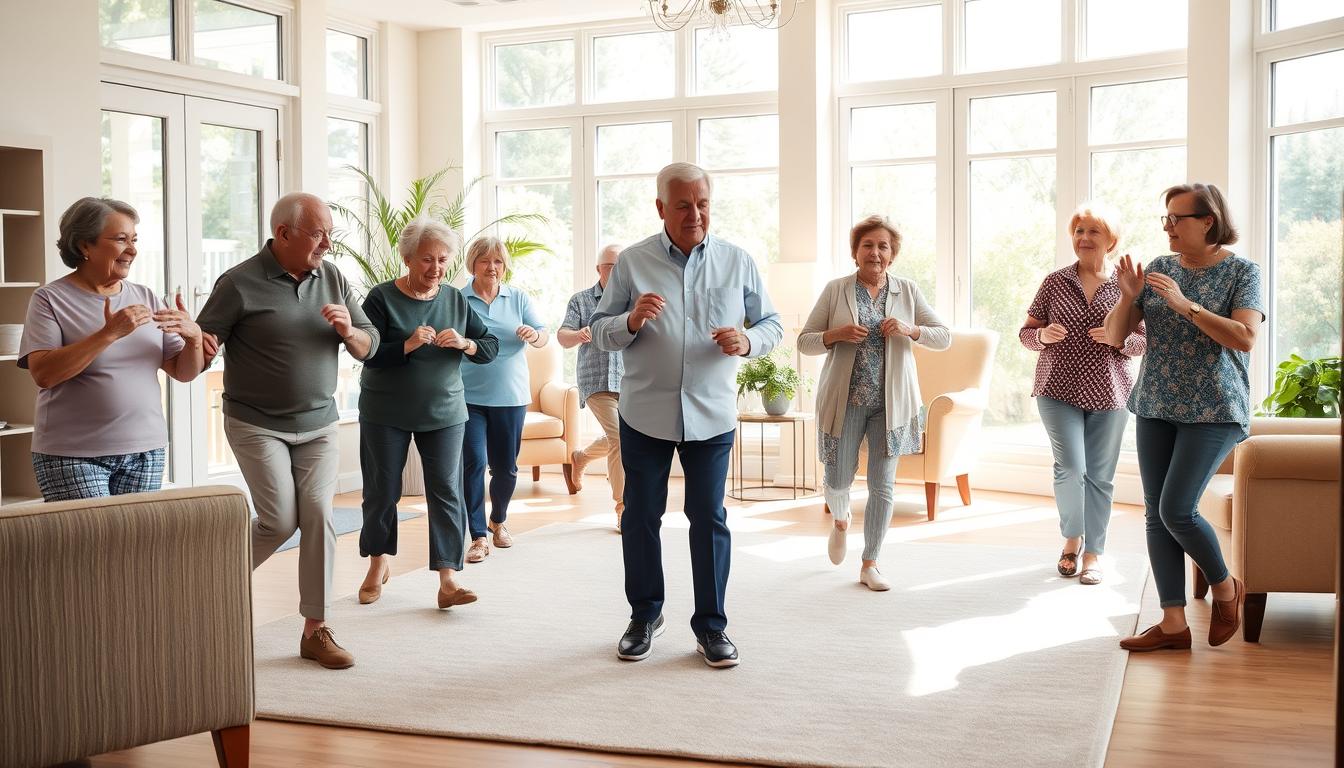
Beginner Protocol (Weeks 1-4)
- Start with 10-minute sessions, twice daily
- Walk 5 days per week minimum
- Total weekly duration: 100 minutes
Intermediate Level (Weeks 5-12)
- Extend to 20-30 minute sessions
- Maintain 5-6 days weekly
- Reach 150-180 minutes total
Advanced Maintenance
- 30-45 minute daily walks
- One longer 60-minute session weekly
- Total 210-270 minutes per week
Breaking walks into multiple short sessions works equally well. Three 10-minute walks burn the same calories as one 30-minute session while being easier to fit into your schedule.
Optimal Walking Pace for Older Adults
Moderate intensity means walking fast enough to elevate your heart rate but slow enough to maintain conversation. You should feel slightly breathless but able to speak in complete sentences.
Pace Guidelines by Fitness Level
- Beginners: 2.0-2.5 mph (30-minute mile)
- Intermediate: 2.5-3.0 mph (20-24 minute mile)
- Advanced: 3.0-3.5 mph (17-20 minute mile)
Use the "talk test" rather than obsessing over exact speeds. Walking becomes too intense when you can only manage short phrases between breaths.
Heart rate zones provide another guide. Target 50-70% of your maximum heart rate, calculated as 220 minus your age. A 70-year-old should aim for 75-105 beats per minute during walks.
Steps Per Day Goals for Senior Longevity
Research published in JAMA Internal Medicine found that 7,000 daily steps reduced mortality risk by 50-70% in adults over 60. Additional steps beyond 10,000 provided minimal extra benefit.
Progressive Step Goals
| Week | Daily Step Target | Weekly Increase |
|---|---|---|
| 1-2 | 3,000-4,000 | Baseline |
| 3-4 | 4,500-5,000 | +1,000 |
| 5-8 | 6,000-7,000 | +1,500 |
| 9+ | 7,000-10,000 | Maintain |
Don't stress if you fall short occasionally. Five days at 7,000 steps beats seven days at 4,000 steps for health outcomes.
Getting Started: A Safe Walking Program for Senior Weight Loss
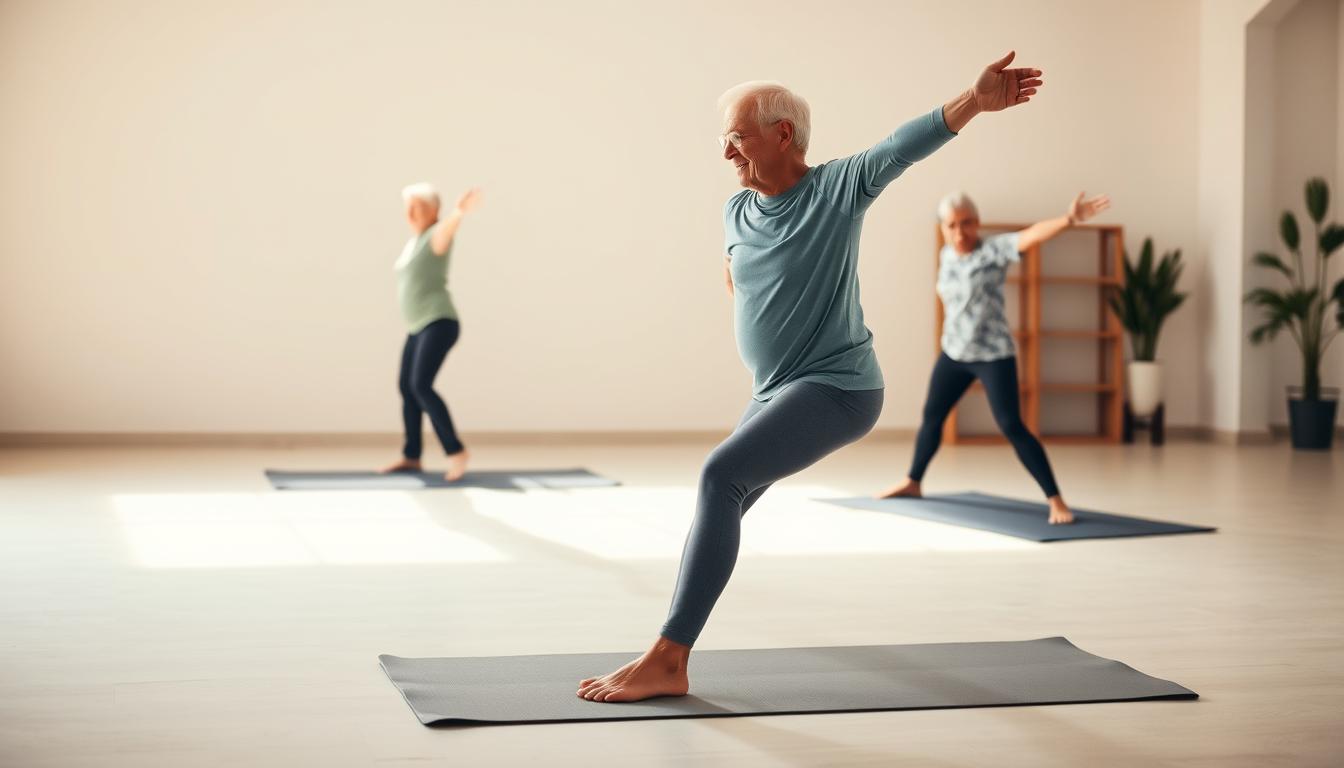
Begin your walking program with a physician consultation if you have heart disease, diabetes, or haven't exercised regularly in over six months.
Essential Pre-Walking Health Checks
Medical Clearance Situations
- History of heart attack or cardiac procedures
- Chest pain during physical activity
- Dizziness or fainting episodes
- Uncontrolled diabetes or blood pressure
- Recent joint surgery or fractures
Your doctor may recommend a stress test to determine safe intensity levels. Many physicians provide written exercise prescriptions specifying duration, frequency, and target heart rates.
Medication Considerations
- Beta-blockers lower maximum heart rate
- Diuretics increase dehydration risk
- Diabetes medications may need adjustment with increased activity
- Blood pressure drugs might require modification as fitness improves
Establish your baseline fitness by timing how long it takes to walk a quarter mile. This provides a benchmark for measuring progress.
Proper Walking Form for Seniors
Correct technique prevents injury and maximizes calorie burn.
Head and Neck
- Eyes forward, looking 10-20 feet ahead
- Chin parallel to ground
- Neck relaxed without tension
Upper Body
- Shoulders back and down (avoid hunching)
- Arms bent at 90 degrees
- Natural swing from shoulders, not elbows
- Hands loosely cupped, never clenched
Core and Lower Body
- Abdominals gently engaged
- Hips moving naturally side to side
- Knees slightly bent, never locked
- Land on heel, roll through to toe
Breathing Pattern
Inhale through your nose for three steps, exhale through your mouth for three steps. This rhythm maintains oxygen supply and prevents side stitches.
Choosing the Right Walking Equipment
Footwear Selection for Senior Walkers
Proper shoes prevent 90% of common walking injuries. Replace them every 300-500 miles or when the tread shows significant wear.

Essential Shoe Features
| Feature | Why It Matters | What to Check |
|---|---|---|
| Cushioning | Absorbs impact force | Press the heel—it should compress slightly |
| Arch support | Prevents plantar fasciitis | Should match your foot's natural arch |
| Heel counter | Stabilizes ankle | Rigid back that resists twisting |
| Toe box | Prevents blisters | Half-inch space beyond longest toe |
| Flexibility | Allows natural foot roll | Shoe should bend at ball of foot |
Visit specialty running stores for gait analysis. Staff will observe how your foot strikes the ground and recommend appropriate models.
Walking Aids and Accessories
For Stability
- Walking poles: Increase calorie burn by 20% while improving balance
- Canes: Acceptable for those with mild balance issues
- Rollator walkers: Provide seat for rest breaks on longer walks
Safety Items
- Reflective vest or clip-on lights for early morning/evening walks
- Medical ID bracelet with emergency contacts
- Cell phone in secure pocket or armband
- Small whistle for attracting attention if needed
Weather Protection
- Moisture-wicking base layers prevent chafing
- Light rain jacket with breathable fabric
- Wide-brimmed hat for sun protection
- Sunglasses to reduce eye strain
Best Walking Strategies for Maximum Weight Loss in Seniors
Interval walking—alternating faster and slower paces—burns 20-30% more calories than steady-pace walking while remaining safe for older adults.
Interval Walking for Enhanced Fat Burning
Intervals boost metabolism without the joint stress of running. The intensity remains moderate; you're simply varying between "comfortable" and "brisk" paces.
Beginner Interval Pattern
- Warm up at easy pace: 5 minutes
- Walk briskly: 1 minute
- Recover at normal pace: 2 minutes
- Repeat steps 2-3 six times
- Cool down at easy pace: 5 minutes
Total duration: 26 minutes
Intermediate Pattern
- Warm up: 5 minutes
- Alternate 2 minutes brisk / 1 minute recovery for 20 minutes
- Cool down: 5 minutes
Advanced Pattern
- Warm up: 5 minutes
- Alternate 3 minutes brisk / 90 seconds recovery for 27 minutes
- Cool down: 5 minutes
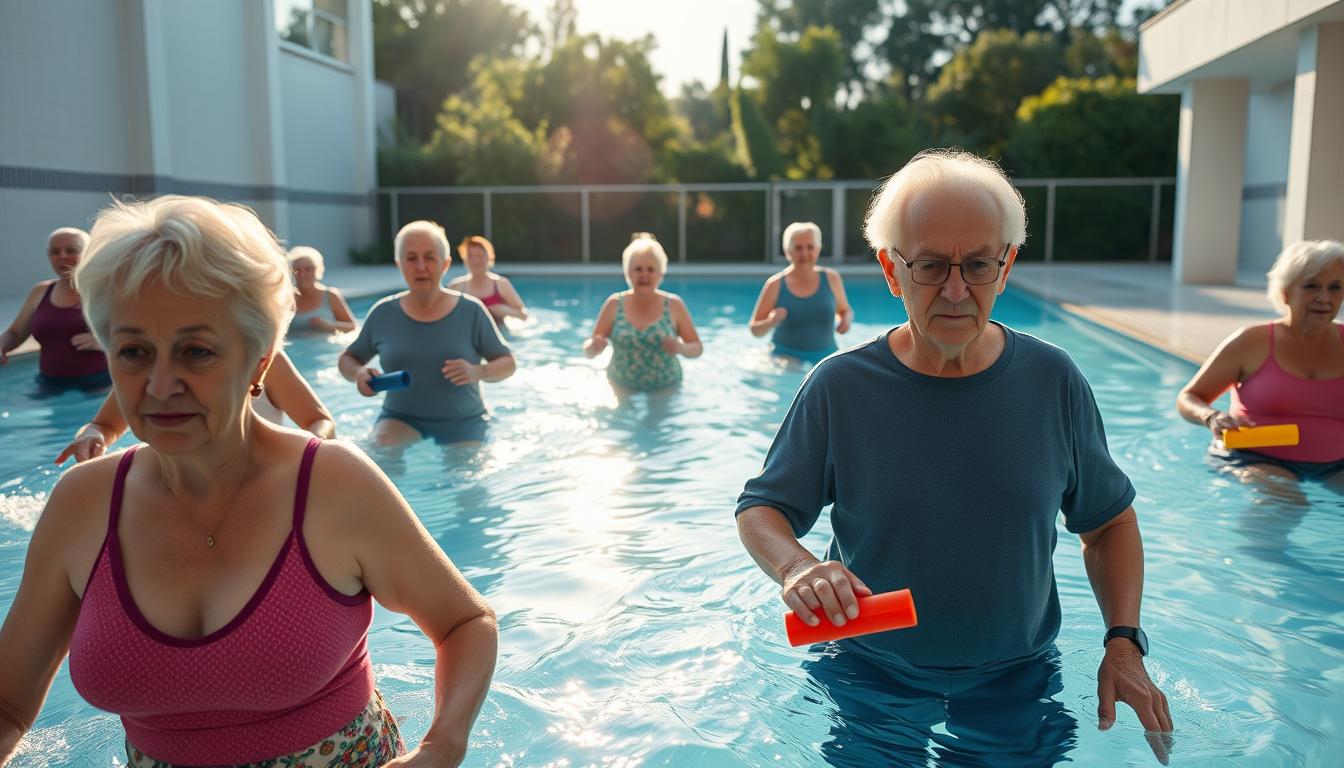
The "brisk" pace should feel challenging but controlled—about 6-7 on a scale where 10 is maximum effort.
Incorporating Inclines and Hills
Walking uphill burns 50% more calories than flat-ground walking at the same speed. The increased muscle engagement also builds strength in glutes, quadriceps, and calves.
Safe Hill Training Progression
- Week 1-2: Find gentle slopes (2-4% grade)
- Week 3-4: Increase slope steepness slightly (4-6% grade)
- Week 5-6: Add longer hill segments or multiple hills per walk
- Week 7+: Combine hills with interval training
Treadmill Alternative
If outdoor hills aren't accessible, set your treadmill to a 2-5% incline. Start at 1-2% and increase by 0.5% every two weeks. Never exceed 7% unless specifically training for mountainous terrain.
Downhill Safety
Descents stress knees more than uphills. Shorten your stride, lean slightly back, and take slower steps when walking downhill.
Adding Resistance to Your Walking Routine
Extra resistance increases calorie burn but must be added carefully to avoid injury.
Hand Weights: Proceed with Caution
Carrying 1-3 pound dumbbells can increase calorie burn by 5-10%. However, this stresses shoulder joints and may elevate blood pressure excessively.
Better approach: Use weights only during arm exercises after your walk, not while walking.
Weighted Vests
These distribute weight evenly across your torso, making them safer than hand weights.
- Start with vest weight no more than 5% of body weight
- Increase by 2-3 pounds every 4-6 weeks
- Maximum vest weight should never exceed 10% of body weight
- Skip weighted vests if you have osteoporosis or back problems
Resistance Band Walking
Loop a resistance band around ankles for side-stepping exercises after your main walk. This strengthens hip abductors critical for balance.
Nutrition Tips to Maximize Walking for Weight Loss in Seniors
Creating a 300-500 calorie daily deficit through combined walking and modest food reduction produces sustainable weight loss of 1-2 pounds monthly for seniors.
Caloric Needs for Active Seniors
Daily Calorie Requirements
| Activity Level | Women 60+ | Men 60+ |
|---|---|---|
| Sedentary | 1,600-1,800 | 2,000-2,200 |
| Lightly active (walking 3x/week) | 1,800-2,000 | 2,200-2,400 |
| Moderately active (walking daily) | 2,000-2,200 | 2,400-2,800 |
For weight loss, reduce intake by 250-500 calories daily. Never drop below 1,200 calories (women) or 1,500 calories (men) without medical supervision.
Protein Requirements
Older adults need 0.5-0.7 grams of protein per pound of body weight to maintain muscle during weight loss. A 150-pound senior should consume 75-105 grams daily.
High-Protein Foods
- Chicken breast: 26g per 3 oz
- Greek yogurt: 15-20g per 6 oz
- Eggs: 6g per large egg
- Salmon: 22g per 3 oz
- Lentils: 18g per cooked cup
Calcium and vitamin D remain critical. Aim for 1,200mg calcium and 800-1,000 IU vitamin D daily through diet and supplements.
Pre and Post-Walk Eating Strategies
Before Morning Walks
Fasted walking increases fat burning but may cause dizziness in some seniors. If you walk within 90 minutes of waking, eat a small snack:
- Half banana with tablespoon almond butter
- Small apple with string cheese
- Six whole-grain crackers with hummus
Hydration Protocol
Drink 8-16 oz water 15 minutes before walking. Carry water if walking more than 30 minutes or in temperatures above 75°F.
Dehydration signs include dry mouth, fatigue, and dark yellow urine. Older adults have diminished thirst response, making scheduled drinking important.
Post-Walk Nutrition
Eat within 60 minutes after walks lasting 45+ minutes:
- Protein smoothie with fruit and spinach
- Turkey sandwich on whole grain bread
- Cottage cheese with berries
This replenishes glycogen and provides amino acids for muscle repair.
Common Nutritional Pitfalls
Overestimating Calories Burned
Fitness trackers often overestimate burn by 20-30%. Assume a 30-minute walk burns 100-150 calories, not the 200+ many apps claim.
Compensatory Eating
Studies show people unconsciously eat 30% more after exercise. Track your food intake for two weeks to identify if you're negating your walking efforts through increased consumption.
Undereating Pitfalls
Excessive calorie restriction triggers muscle loss and metabolic slowdown. Warning signs include:
- Fatigue that worsens over weeks
- Hair thinning
- Constant cold feeling
- Strength decline despite regular walking
If experiencing these symptoms, increase calories by 200-300 daily for two weeks.
Tracking Your Walking Progress for Weight Loss and Health
Monitoring your walking habits increases adherence by 40% and helps identify patterns that maximize weight loss results.
Best Apps for Senior Walking and Weight Loss Tracking
MapMyWalk
Best for: GPS route tracking and exploring new paths
MapMyWalk records distance, pace, elevation, and calories burned with high accuracy. The interface uses large buttons and clear text suitable for older adults.
Standout Features
- Audio coaching announces pace and distance during walks
- Saves favorite routes for easy repeat sessions
- Connects to MyFitnessPal for integrated calorie tracking
- Social features allow sharing routes with walking partners
Cost: Free (with ads) or $5.99/month for premium features
Pacer Pedometer & Step Tracker
Best for: Simple step counting without GPS battery drain
Pacer counts steps using your phone's built-in accelerometer, eliminating the need to constantly run GPS. This extends battery life significantly.
Standout Features
- Works in your pocket without opening the app
- Tracks weight trends alongside daily steps
- Group challenges motivate consistency
- Converts steps to distance and calories automatically
Cost: Free with basic features, $3.99/month for premium
Fitbit App
Best for: Comprehensive health metrics beyond walking
While designed for Fitbit devices, the app tracks phone-based steps and integrates weight, food, water, and sleep data.
Standout Features
- Clear dashboard shows all metrics at once
- Personalized daily step goals that adjust based on performance
- Community challenges with friends and family
- Connects to smart scales for automatic weight logging
Cost: Free for basic tracking, device required for advanced features ($79-$329)
Walkmeter
Best for: Detailed statistics and customized workout plans
Walkmeter provides professional-grade analytics that serious walkers appreciate. The learning curve is steeper but the data depth is unmatched.
Standout Features
- Splits and intervals tracking
- Customizable audio announcements (pace, heart rate, distance)
- Calendar view shows training patterns
- Exports data to spreadsheets for analysis
Cost: Free trial, then $9.99/month or $49.99/year
MyFitnessPal
Best for: Combined walking and nutrition tracking
MyFitnessPal excels at food logging with a database of 14+ million items. Walking activity syncs from other apps or manual entry.
Standout Features
- Barcode scanner for quick food entry
- Calculates net calories (food minus exercise)
- Large community provides recipe ideas
- Macro tracking for protein, carbs, fat
Cost: Free for basic features, $9.99/month for premium
Strava
Best for: Social motivation and competitive challenges
Originally for serious athletes, Strava's walking features have expanded. The social aspect keeps many users motivated through friendly competition.
Standout Features
- Segment leaderboards for specific route sections
- Photo sharing from walks
- Kudos system for encouragement
- Activity feed shows what friends are accomplishing
Cost: Free for basic features, $11.99/month for premium
Google Fit
Best for: Android users wanting simple, free tracking
Google Fit automatically tracks walks when you carry your phone. It awards "Heart Points" based on intensity, making goal-setting straightforward.
Standout Features
- No account setup required (uses Google account)
- Integration with Android Wear watches
- Automatic activity detection
- Clean, minimalist interface
Cost: Completely free
App Comparison Table
| App | Best Feature | Ease of Use | Cost |
|---|---|---|---|
| MapMyWalk | Route mapping | ⭐⭐⭐⭐ | Free/$5.99/mo |
| Pacer | Battery efficiency | ⭐⭐⭐⭐⭐ | Free/$3.99/mo |
| Fitbit | Health integration | ⭐⭐⭐⭐ | Free (device needed) |
| Walkmeter | Detailed stats | ⭐⭐⭐ | $9.99/mo |
| MyFitnessPal | Nutrition tracking | ⭐⭐⭐⭐ | Free/$9.99/mo |
| Strava | Social features | ⭐⭐⭐⭐ | Free/$11.99/mo |
| Google Fit | Simplicity | ⭐⭐⭐⭐⭐ | Free |
Using Wearable Devices for Senior Walking Programs
Fitness trackers provide continuous monitoring that phones in pockets cannot match.
Fitness Trackers vs. Smartwatches
Fitness trackers focus on activity metrics and typically cost $50-150. They offer 5-7 day battery life and simpler interfaces. Popular models include Fitbit Inspire, Garmin Vivosmart, and Xiaomi Mi Band.
Smartwatches add notifications, apps, and touchscreens for $200-500. Battery lasts 1-2 days. They suit tech-comfortable seniors who want phone features on their wrist.
Heart Rate Monitoring Benefits
Optical sensors on your wrist track heart rate throughout walks. This data reveals:
- Whether you're exercising at appropriate intensity
- How your cardiovascular fitness improves over months
- When you might be overtraining or getting sick
Fall Detection Features
Apple Watch, Samsung Galaxy Watch, and some Garmin models detect hard falls and can automatically call emergency contacts. This safety feature provides peace of mind for seniors walking alone.
Keeping a Walking Journal
Digital tracking misses subjective experiences that predict long-term success.
What to Record
- Date, time, duration, and distance
- Weather conditions
- Energy level before and after (1-10 scale)
- Any pain or discomfort
- Mood changes
- Sleep quality the previous night
- Weekly weight (same day, same time)
Patterns emerge over time. You might notice that morning walks improve your sleep or that walking after meals controls blood sugar better than fasted sessions.
Sample Journal Entry Format
Date: March 15
Time: 7:00 AM
Duration: 35 minutes
Distance: 1.8 miles
Weather: Clear, 52°F
Energy before: 6/10
Energy after: 8/10
Notes: Right knee slightly stiff first 10 minutes, then loosened up.
Felt great afterward. Slept well last night (7.5 hours).
Weight: 168 lbs
Review your journal monthly to spot trends and celebrate non-scale victories like increased distance or improved energy.
Overcoming Common Challenges: Walking for Weight Loss After 60
Joint pain, balance concerns, and weather limitations affect most seniors but can be managed through proper modifications and alternative walking options.
Dealing with Joint Pain and Arthritis
Warm-Up Routine (10 minutes)
- Ankle circles: 10 each direction per foot
- Leg swings: 10 forward/back, 10 side-to-side per leg
- Knee lifts: 15 per leg
- Hip circles: 10 each direction
- Gentle arm circles: 15 forward, 15 backward
Appropriate Pain vs. Warning Signs
Normal sensations:
- Mild muscle soreness 24-48 hours after walking
- Slight joint stiffness that improves within 10 minutes of movement
- Temporary fatigue
Stop immediately if experiencing:
- Sharp, stabbing pain
- Swelling that worsens during or after walks
- Pain that persists for 3+ days
- Numbness or tingling
Joint-Friendly Walking Surfaces
Ranked from most to least forgiving:
- Rubberized track surfaces
- Grass (well-maintained, level)
- Dirt trails (packed, smooth)
- Asphalt
- Concrete (hardest on joints)
Recovery Strategies
- Ice knees for 15 minutes post-walk if experiencing inflammation
- Elevate legs for 20 minutes after longer walks
- Schedule rest days when soreness exceeds normal levels
- Consider glucosamine supplements (1,500mg daily) after consulting your doctor
Managing Balance and Stability Issues
Balance Improvement Exercises (Perform daily, separate from walks)
Single-leg stance
- Hold onto chair back
- Lift one foot 6 inches off ground
- Hold 10-30 seconds
- Repeat 3 times per leg
- Progress to hands-free
Heel-to-toe walk
- Place heel of one foot directly in front of toes of other foot
- Walk 20 steps in straight line
- Use wall for support initially
Sit-to-stand
- Rise from chair without using arms
- Perform 10 repetitions
- Builds leg strength crucial for balance
Safe Route Selection
Choose paths that offer:
- Even, well-maintained surfaces
- Good lighting
- Handrails or walls within reach
- Benches every quarter mile for rest
- Minimal street crossings
Parks, school tracks, and shopping mall perimeters often meet these criteria.
Walking Aids Without Stigma
Using a cane or walking pole demonstrates wisdom, not weakness. These tools enable you to walk farther and more frequently than avoiding them would allow.
Single-point canes work for mild balance issues. Four-pronged quad canes provide maximum stability. Trekking poles turn a mobility aid into athletic equipment while offering the same support.
Walking in Different Weather Conditions
Indoor Alternatives
Shopping malls
- Climate-controlled year-round
- Smooth, flat surfaces
- Restrooms readily available
- Security presence
- Many malls open early for walkers (6-8 AM)
Indoor tracks
- Community centers often offer tracks for small fees
- YMCA membership provides track access plus other amenities
- High schools sometimes open tracks to public during non-school hours
Home treadmill walking
- Eliminates weather as excuse
- Better than skipping walks entirely
- Watch shows or movies to pass time
- Models with handrails offer stability
Seasonal Safety
Summer heat
- Walk before 9 AM or after 6 PM
- Drink 16-20 oz water per hour of walking
- Wear light-colored, loose clothing
- Apply SPF 30+ sunscreen to exposed skin
Winter cold
- Layer clothing (base layer, insulating layer, windproof outer layer)
- Cover extremities with gloves and hat
- Wear shoes with good traction for icy conditions
- Reduce walking duration when temperature drops below 20°F
Rain
- Waterproof jacket with hood
- Avoid walks during thunderstorms
- Watch for slippery surfaces
- Consider indoor alternatives during heavy rain
Staying Motivated for Long-Term Success
Milestone System
| Achievement | Reward |
|---|---|
| First week completed | New water bottle |
| 50,000 total steps | Massage or spa treatment |
| First 5-pound loss | New walking outfit |
| 100 consecutive days | Weekend getaway |
| Goal weight reached | Professional photo session |
Finding Walking Companions
Group walking increases adherence by 65% compared to solo walking. Options include:
- Senior center walking groups
- Meetup.com walking clubs in your area
- Mall walking programs
- Places of worship walking ministries
- Nextdoor.com neighborhood groups
Walking with others provides accountability, safety, and social connection—all critical for senior wellbeing.
Dealing with Weight Loss Plateaus
Plateaus occur every 4-6 weeks as your body adapts. Weight loss resumes within 2-3 weeks if you maintain consistency.
Plateau-breaking strategies:
- Increase walking duration by 10 minutes daily
- Add one interval session per week
- Track food intake for hidden calorie creep
- Measure body composition (muscle weighs more than fat)
- Take body measurements (waist, hips, thighs) as alternative progress markers
Temporary plateaus are normal adaptations, not failures. Your improved cardiovascular health and mobility matter more than scale numbers.
Enhanced Longevity Benefits: How Walking Extends Senior Lifespan
Regular walking reduces all-cause mortality by 30-35% in adults over 60, primarily through cardiovascular protection, cognitive preservation, and metabolic health improvements.
Cardiovascular Health and Heart Disease Prevention
Walking strengthens your heart muscle, making it pump more efficiently with less effort. Resting heart rate typically decreases 5-10 beats per minute after 3-6 months of consistent walking.
Measured Benefits
- Blood pressure reduction: Systolic pressure drops 4-9 mmHg, diastolic drops 3-5 mmHg
- Cholesterol improvements: HDL (good cholesterol) increases 5-8%, LDL (bad cholesterol) decreases 3-5%
- Arterial health: Walking maintains arterial flexibility, reducing atherosclerosis progression
- Stroke risk: 27% reduction in stroke occurrence among regular walkers
The American Heart Association classifies brisk walking as moderate-intensity aerobic activity—the same category that includes swimming and cycling but without the equipment or skill requirements.
Heart Rate Recovery
Your heart rate after exercise should drop 12+ beats in the first minute after stopping. Improved recovery indicates enhanced cardiovascular fitness and reduced mortality risk.
Walking's Impact on Cognitive Function and Dementia Prevention
Walking increases brain blood flow by 15-20%, delivering more oxygen and nutrients to neural tissue. This enhanced circulation protects against cognitive decline.
Research Findings
- Seniors who walk 6+ miles weekly have 50% lower dementia risk
- Hippocampus volume (memory center) increases 2% with regular walking
- Processing speed and executive function improve within 6 months
- Alzheimer's disease progression slows in active seniors
Mechanisms of Protection
- Stimulates production of brain-derived neurotrophic factor (BDNF), which repairs neurons
- Reduces brain inflammation linked to dementia
- Promotes new blood vessel formation in the brain
- Decreases beta-amyloid plaque accumulation
Social Walking Amplifies Benefits
Walking with others adds cognitive stimulation through conversation. This dual-task activity (physical movement plus social engagement) provides superior brain protection compared to solo walking.
Diabetes Prevention and Management Through Walking
Walking improves insulin sensitivity by 23-51%, helping cells absorb glucose more effectively. This makes walking one of the most powerful tools for blood sugar control.
Immediate Effects
A 15-minute walk after meals lowers blood sugar spikes by 30-40%. The muscle contractions during walking pull glucose from bloodstream without requiring insulin.
Long-Term Benefits
- Type 2 diabetes risk decreases 30% with 150 weekly minutes of walking
- HbA1c (3-month blood sugar average) drops 0.5-0.8% in active seniors
- Medication needs often decrease as fitness improves
Optimal Timing
Walk 10-20 minutes after breakfast, lunch, and dinner for maximum glucose control. Post-meal walks prove more effective than single daily sessions for managing blood sugar.
Warning for Diabetics
Check blood sugar before and after walks if taking insulin or sulfonylureas. Hypoglycemia risk increases with activity. Carry fast-acting carbs (glucose tablets, juice) during walks.
Bone Density and Osteoporosis Prevention
Walking provides weight-bearing stimulus that signals bones to maintain or increase density. While less potent than jumping or running, walking still offers significant skeletal benefits.
Bone Health Data
- Hip bone density decreases 40% slower in regular walkers vs. sedentary seniors
- Spine bone mineral density remains stable with consistent walking
- Fracture risk reduces by 20-40% through improved balance and bone strength
Why Walking Helps Bones
Each foot strike creates micro-stress on bones. Your skeleton responds by depositing more calcium and strengthening the bone matrix. This adaptation requires consistent stimulus over months.
Maximizing Bone Benefits
- Walk on varied terrain (slight hills, uneven surfaces when safe)
- Increase pace gradually to enhance impact forces
- Combine walking with resistance exercises 2-3 times weekly
- Ensure adequate calcium (1,200mg) and vitamin D (800-1,000 IU) intake
Walking alone won't reverse advanced osteoporosis but significantly slows progression and maintains current bone mass.
Creating a Sustainable Walking Routine for Senior Weight Loss
A structured weekly schedule with progressive increases prevents both undertraining and overuse injuries while building the habit that drives long-term weight loss success.
Sample Weekly Walking Schedule for Beginners
Weeks 1-4 Foundation Phase
| Day | Activity | Duration | Notes |
|---|---|---|---|
| Monday | Easy walk | 10 minutes | Focus on form |
| Tuesday | Rest or stretching | – | Recovery |
| Wednesday | Easy walk | 12 minutes | Increase 2 minutes |
| Thursday | Rest or stretching | – | Recovery |
| Friday | Easy walk | 10 minutes | Maintain baseline |
| Saturday | Easy walk | 15 minutes | Weekend longer walk |
| Sunday | Rest or gentle activity | – | Full recovery |
Total weekly minutes: 47 minutes
Weeks 5-8 Building Phase
| Day | Activity | Duration | Intensity |
|---|---|---|---|
| Monday | Moderate walk | 20 minutes | Steady pace |
| Tuesday | Easy walk | 15 minutes | Recovery pace |
| Wednesday | Moderate walk | 20 minutes | Steady pace |
| Thursday | Rest or stretching | – | Off |
| Friday | Moderate walk | 20 minutes | Steady pace |
| Saturday | Longer walk | 30 minutes | Easy-moderate |
| Sunday | Rest | – | Off |
Total weekly minutes: 105 minutes
Weeks 9-12 Establishing Phase
| Day | Activity | Duration | Intensity |
|---|---|---|---|
| Monday | Moderate walk | 25 minutes | Include 5-min brisk section |
| Tuesday | Easy walk | 20 minutes | Recovery |
| Wednesday | Interval walk | 25 minutes | Alternate paces |
| Thursday | Moderate walk | 20 minutes | Steady |
| Friday | Easy walk | 20 minutes | Recovery |
| Saturday | Long walk | 40 minutes | Easy-moderate |
| Sunday | Rest or light activity | 15 minutes | Optional |
Total weekly minutes: 150-165 minutes
Progression Principles
- Increase total weekly duration by no more than 10% per week
- Add one extra walking day before extending session length
- Every fourth week, reduce volume by 20% for recovery
- If you feel excessive fatigue, repeat the previous week's schedule
Intermediate and Advanced Walking Plans
Intermediate Level (After 3+ months of consistent walking)
Weekly structure:
- 5-6 walking days
- Total 180-240 minutes
- Two interval sessions
- One long walk (45-60 minutes)
- Include hills or inclines twice weekly
Advanced Level (After 6+ months)
Weekly structure:
- 6 walking days
- Total 240-300 minutes
- Two interval sessions with longer work periods
- One long walk (60-90 minutes)
- Regular hill training
- Optional weighted vest for 1-2 sessions
Walking Event Preparation
Many communities host 5K walks (3.1 miles) that provide goals and community support.
8-Week 5K Training Plan:
- Weeks 1-2: Build to 30-minute continuous walks
- Weeks 3-4: Extend one weekly walk to 40 minutes
- Weeks 5-6: Complete one 50-minute walk weekly
- Weeks 7-8: Walk 60 minutes once, taper before event
Making Walking a Lifelong Habit
Environmental Design
Structure your surroundings to make walking the easy default:
- Keep walking shoes by the door
- Set phone alarm for scheduled walk times
- Place walking clothes out the night before
- Create a dedicated hook for keys, hat, sunglasses
Social Accountability
- Text a friend after each walk
- Join online walking challenges
- Post walking streaks on social media
- Schedule recurring walks with neighbors
Identity Shift
Stop thinking "I'm trying to walk more" and adopt "I'm a walker." This identity change predicts long-term maintenance better than any other factor.
Adaptation Over Time
Your walking routine should evolve as you age:
- Reduce distance if stamina declines, but maintain frequency
- Switch to flatter routes if hills become too challenging
- Use walking aids proactively when balance changes
- Transition to indoor walking during icy conditions
- Consider pool walking if arthritis worsens
The goal is sustainable movement, not perfect adherence to a rigid plan. Flexibility ensures walking remains part of your life for decades.
Real Results: What Seniors Can Expect from Walking for Weight Loss
Most seniors lose 8-15 pounds in the first six months of consistent walking combined with modest calorie reduction, though individual results vary based on starting weight and adherence.
Realistic Weight Loss Timeline
Month 1
- Expected loss: 2-4 pounds
- Water weight drops initially
- Cardiovascular fitness begins improving
- Energy levels may fluctuate as body adapts
Months 2-3
- Expected loss: 1-2 pounds per month
- Fat loss accelerates as muscle mass increases
- Clothes fit more loosely
- Walking becomes noticeably easier
Months 4-6
- Expected loss: 1-1.5 pounds per month
- Weight loss may slow (plateau is normal)
- Body composition changes become obvious
- Cardiovascular improvements plateau at new baseline
Beyond 6 Months
- Expected loss: 0.5-1 pound per month until reaching goal weight
- Maintenance becomes focus
- Habit is well-established
- Walking feels necessary rather than optional
Factors Affecting Individual Results
| Factor | Impact on Weight Loss |
|---|---|
| Starting weight | Heavier individuals lose faster initially |
| Diet quality | Whole foods accelerate loss vs. processed foods |
| Medication | Some drugs (beta-blockers, antidepressants) slow metabolism |
| Sleep quality | Poor sleep reduces weight loss by 20-30% |
| Stress levels | Chronic stress elevates cortisol, hindering loss |
| Medical conditions | Thyroid issues, insulin resistance affect rate |
Weight Fluctuations Are Normal
Daily weight varies 2-5 pounds due to water retention, food volume, and bowel movements. Weigh yourself weekly at the same time rather than daily to track true trends.
Beyond the Scale: Non-Weight Victory Metrics
Physical Improvements
- Climbing stairs without breathlessness
- Walking farther before feeling tired
- Maintaining balance more easily
- Reducing or eliminating blood pressure medication
- Improved blood sugar control
- Decreased joint pain despite more activity
Mental and Emotional Benefits
- Better sleep quality (falling asleep faster, fewer wake-ups)
- Reduced anxiety symptoms
- Improved mood throughout the day
- Greater confidence in physical abilities
- Enhanced cognitive sharpness
Social and Lifestyle Gains
- Keeping up with grandchildren more easily
- Enjoying activities previously too physically demanding
- Increased independence in daily tasks
- Expanded social connections through walking groups
Functional Fitness Markers
Test these quarterly to measure fitness improvements:
-
Six-minute walk test: Measure how far you walk in 6 minutes on a flat surface
- Improvement of 50+ meters indicates significant fitness gains
-
Sit-to-stand test: Count how many times you can stand from a chair in 30 seconds
- Above 12 repetitions indicates good lower body strength
- Improvement shows functional strength gains
-
Resting heart rate: Take pulse first thing in morning before getting up
- Decreases of 5-10 bpm show cardiovascular adaptation
These functional improvements often matter more than pounds lost for quality of life.
When to Increase Intensity or Seek Additional Support
Signs Your Body Is Ready for More
- Current walks feel easy with minimal fatigue
- Recovery time shortens (feel normal within an hour post-walk)
- Resting heart rate decreases 5+ beats per minute
- You consistently exceed your step or duration goals
- Walking pace naturally increases without conscious effort
Complementary Exercises
Add these 2-3 times weekly after establishing walking habit:
Strength training
- Bodyweight squats, wall push-ups, resistance bands
- Preserves muscle during weight loss
- Increases metabolism by 50-100 calories daily
Flexibility work
- Yoga or tai chi
- Improves walking form and range of motion
- Reduces injury risk
Balance training
- Single-leg stands, heel-to-toe walks
- Critical for fall prevention
- Enables confident walking on varied terrain
When to Consult Professionals
Physical therapist
- Persistent joint pain that limits walking
- Balance issues requiring specialized exercises
- Gait abnormalities causing discomfort
- Recovery from surgery or injury
Personal trainer
- Desire for structured progression
- Need for strength training guidance
- Preparing for specific walking events
- Plateau lasting more than 8 weeks despite consistency
Registered dietitian
- Difficulty creating balanced meal plans
- Medical nutrition therapy for diabetes or heart disease
- Ensuring adequate nutrition while losing weight
- Managing multiple medications affected by diet
Medical doctor
- Weight loss stops for 3+ months despite adherence
- New pain or symptoms develop
- Medication adjustments needed as fitness improves
- Underlying conditions (thyroid, hormonal) suspected
Professional guidance accelerates progress and prevents problems from becoming serious issues.
Safety Precautions for Senior Walking Programs
Immediate medical attention is required if you experience chest pain, severe shortness of breath, dizziness, or sudden weakness during walks—these symptoms may indicate serious cardiac or neurological events.
Warning Signs to Stop Walking Immediately
Cardiac Warning Signals
- Chest pressure, tightness, or pain (especially radiating to arm, jaw, or back)
- Irregular heartbeat or heart palpitations
- Excessive shortness of breath that doesn't improve with rest
- Profuse sweating beyond what's normal for temperature and exertion
- Sudden nausea or vomiting during exercise
Neurological Red Flags
- Dizziness that causes loss of balance
- Vision changes (blurriness, double vision, temporary blindness)
- Sudden confusion or disorientation
- Weakness on one side of body
- Difficulty speaking or understanding speech
Musculoskeletal Concerns
- Sharp, stabbing joint pain (different from dull muscle soreness)
- Sudden popping or snapping sensation in joint
- Immediate swelling or redness
- Inability to bear weight on leg
- Pain that worsens with continued walking rather than improving
Post-Walk Warning Signs
Call your doctor if you experience:
- Pain lasting more than 72 hours
- Swelling that increases over 24-48 hours
- Fever developing after intense walk
- Extreme fatigue lasting multiple days
Trust your instincts. Seniors often dismiss serious symptoms as "just age" when they actually indicate problems requiring treatment.
Preventing Common Walking Injuries in Seniors
Dynamic Warm-Up (5-7 minutes before walking)
Avoid static stretching before walks—it temporarily weakens muscles and doesn't prevent injury. Instead, perform these dynamic movements:
- Leg swings: 10 forward/back, 10 side-to-side per leg
- Walking knee hugs: 10 per leg while moving forward
- Ankle circles: 10 each direction while standing
- Arm circles: 15 small, 15 large circles
- Gentle torso twists: 10 each direction
Gradual Progression Rules
Overuse injuries occur when you increase volume or intensity too quickly.
The 10% rule: Never increase weekly walking time by more than 10% week-over-week.
The hard-easy principle: Follow challenging walks with easier recovery days.
Deload weeks: Every fourth week, reduce total volume by 20-30% for recovery.
Overtraining Symptoms
- Persistent fatigue despite adequate sleep
- Elevated resting heart rate (5+ beats above normal)
- Mood changes, irritability, loss of motivation
- Multiple minor aches rather than one specific pain
- Declining performance despite consistent effort
- Increased susceptibility to illness
If experiencing three or more symptoms, take 3-5 days completely off, then resume at 50% previous volume.
Cooling Down Properly
After finishing your walk:
- Walk slowly for 3-5 minutes to gradually lower heart rate
-
Perform static stretches while muscles are warm:
- Calf stretch: 30 seconds per leg
- Quadriceps stretch: 30 seconds per leg
- Hamstring stretch: 30 seconds per leg
- Hip flexor stretch: 30 seconds per leg
-
Elevate legs for 10-15 minutes if experiencing swelling
Walking Safely in Your Community
Route Selection Criteria
Choose paths that minimize risk:
✓ Well-maintained sidewalks without cracks or uneven sections
✓ Adequate lighting for early morning or evening walks
✓ Low traffic volume or designated walking paths
✓ Other walkers present (safety in numbers)
✓ Access to businesses or homes if help is needed
✓ Cell phone reception throughout route
✗ Isolated areas with no foot traffic
✗ Roads without sidewalks or shoulders
✗ Areas with aggressive dogs or wildlife
✗ Steep hills that increase fall risk
✗ High-crime neighborhoods
Pedestrian Safety Rules
- Walk facing traffic when no sidewalk exists
- Make eye contact with drivers before crossing
- Assume drivers don't see you
- Use crosswalks even when inconvenient
- Avoid distractions (texting, phone calls) near traffic
- Carry a flashlight or wear reflective gear in low light
What to Carry
- Identification (medical ID bracelet or card in pocket)
- Cell phone with emergency contacts programmed
- Medical information list (medications, allergies, conditions)
- Small amount of cash for emergencies
- Water bottle on walks exceeding 30 minutes
- Whistle to attract attention if injured
Letting Others Know
Tell someone your route and expected return time, especially when walking alone. Consider using location-sharing features on your phone so family members can check your whereabouts.
