The best calorie-burning exercises for seniors are walking, swimming, cycling, strength training, and dance-based activities—all designed to maximize energy expenditure while protecting aging joints and maintaining safety.
Walking provides the most accessible starting point with no barriers to entry. Swimming delivers maximum joint protection for those with arthritis or mobility concerns. Cycling builds impressive cardiovascular fitness with minimal impact. Strength training creates lasting metabolic benefits that persist even on rest days. Dance transforms exercise into social recreation.
Physical fitness maintains independence, allowing you to perform daily activities without assistance. The quality of life improvements from regular exercise often exceed those from any medication.
Start today with a single 10-minute walk. Your body will thank you for decades to come.
Why Calorie-Burning Exercises Matter for Seniors
Regular physical activity helps seniors maintain healthy weight, preserve bone density, and support cardiovascular function. Exercise becomes increasingly important after age 65 when metabolism naturally slows and muscle mass begins declining at 3-8% per decade.
Senior-friendly exercises share three critical characteristics:
- Low-impact design that protects joints and reduces injury risk
- Adjustable intensity to match individual fitness levels
- Sustainable format that encourages long-term adherence
This guide covers five proven exercises that burn significant calories while accommodating the physical needs of older adults.
What Makes an Exercise Effective for Senior Calorie Burning
Safety and Impact Considerations
The most effective calorie-burning exercises for seniors prioritize joint protection. High-impact activities like running or jumping can stress aging knees, hips, and ankles. Low-impact alternatives deliver comparable calorie burn without the associated risks.
Proper form matters more than intensity. Seniors should consult healthcare providers before starting new exercise programs, especially those with:
- Cardiovascular conditions
- Osteoporosis or arthritis
- Balance disorders
- Recent surgeries or injuries
Calorie-Burning Potential
Most seniors can safely burn 150-400 calories per hour depending on exercise type and intensity. Body weight significantly affects these numbers—heavier individuals burn more calories performing identical activities.
Realistic weekly targets range from 1,000 to 2,000 calories burned through structured exercise. This amount supports weight maintenance and provides substantial health benefits without overtraining risks.
Accessibility Factors

The best exercise is one you'll actually do. Choose activities based on:
- Available facilities and equipment
- Current fitness level
- Personal enjoyment
- Social opportunities
- Budget constraints
Walking: The Most Accessible Calorie-Burning Exercise for Seniors
Walking burns 150-200 calories per hour at moderate pace while requiring no special equipment or gym membership.
Why Walking Works
This simple activity strengthens the cardiovascular system without stressing joints. You can walk almost anywhere—neighborhoods, parks, shopping malls, or indoor tracks. The intensity adjusts easily through pace changes, inclines, or duration modifications.
Walking improves balance and coordination, reducing fall risk by up to 23% according to research on senior populations.
Maximizing Your Calorie Burn
Interval training boosts calorie expenditure significantly. Alternate between normal pace and faster walking for 1-2 minute periods. Hills and inclines increase effort without requiring faster movement.
Walking poles engage upper body muscles, increasing total calorie burn by 20-25%. They also improve stability on uneven terrain.
Proper form includes:
- Upright posture with shoulders back
- Arms swinging naturally
- Heel-to-toe foot strike
- Eyes forward, not down
Build gradually to 30-60 minute sessions, five days weekly.
Tracking Apps for Walkers
| App | Key Features | Best For |
|---|---|---|
| MapMyWalk | Route tracking, calorie calculation | Outdoor walking |
| Pacer | Step counting, community challenges | Daily motivation |
| AllTrails | Trail discovery, difficulty ratings | Nature walks |
| StepBet | Competitive challenges, rewards | Accountability |
| Walkr | Gamification, virtual planet building | Making walking fun |
Safety Guidelines
Wear shoes with proper arch support and cushioning. Walk during daylight when visibility is optimal. Carry water on sessions lasting over 30 minutes. Avoid extreme temperatures—heat above 85°F or cold below 32°F requires extra precautions.
Swimming and Water Aerobics: Top Low-Impact Calorie Burners
Swimming and water aerobics burn 200-300 calories per hour while water buoyancy eliminates joint stress almost entirely.
Benefits of Water Exercise
Water provides natural resistance in all directions, creating a full-body workout. The buoyancy supports 90% of body weight, making water exercise ideal for seniors with arthritis or mobility limitations.
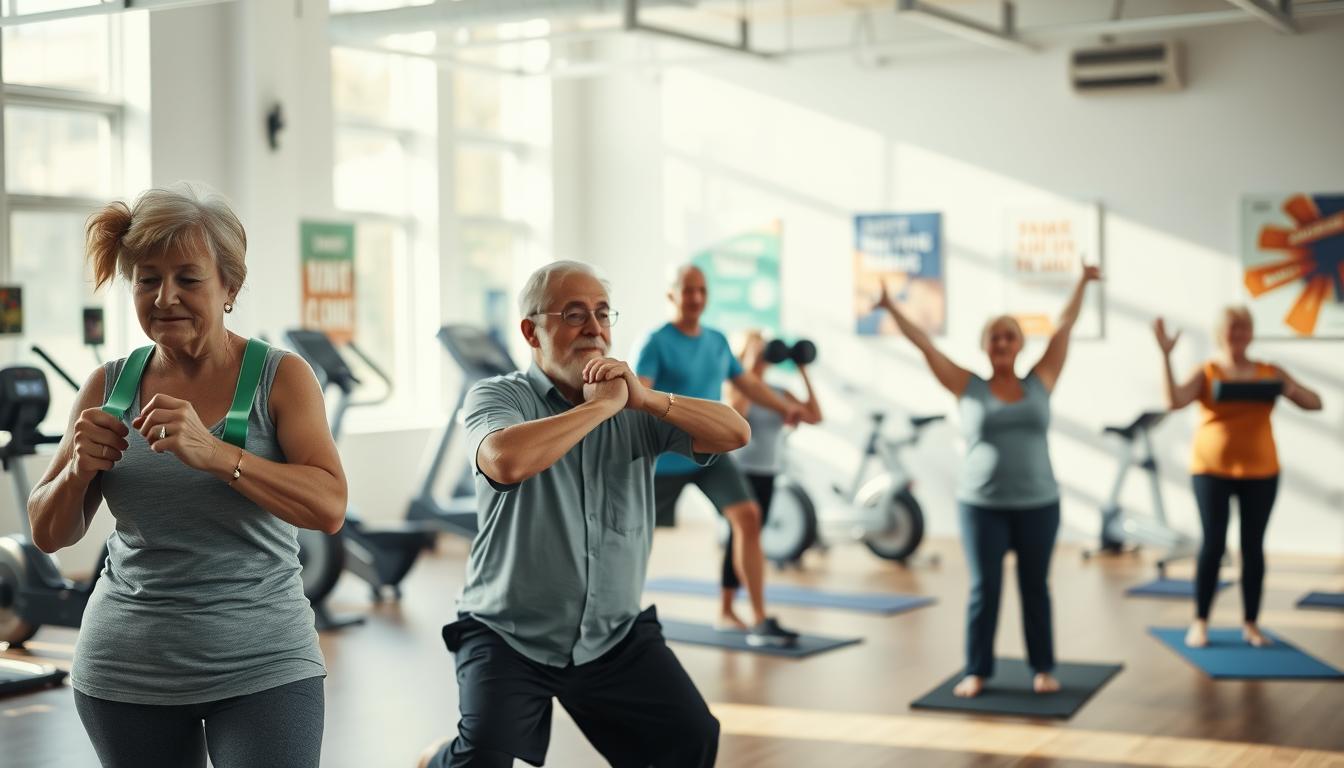
Temperature-controlled pools maintain comfortable conditions year-round. Fall risk becomes negligible since water cushions any loss of balance.
Effective Water Exercises
Lap swimming offers the highest calorie burn. Different strokes target various muscle groups:
- Freestyle: Shoulders, core, legs
- Backstroke: Upper back, shoulders
- Breaststroke: Chest, inner thighs
- Sidestroke: Obliques, hips
Water aerobics classes provide structured routines with instructor guidance. Most senior centers and YMCAs offer age-appropriate classes.
Water walking works well for beginners. Walk forward, backward, and sideways through chest-deep water. Progress to water jogging as fitness improves.
Getting Started
Find pools with:
- Gradual entry steps or ramps
- Handrails for stability
- Warm water (83-86°F)
- Designated lap lanes or shallow areas
Bring a swimsuit, towel, goggles, and water bottle. Many facilities provide pool noodles and foam weights.
Recommended Apps
- MySwimPro: Customized swim workouts with video tutorials
- Swimply: Private pool rentals by the hour
- SilverSneakers: Free pool access for eligible Medicare members
- PoolMates Swim Tracker: Waterproof device for lap counting
Cycling: Stationary and Outdoor Calorie-Burning Options
Cycling burns 200-400 calories per hour depending on intensity while building leg strength and cardiovascular endurance.
Why Cycling Suits Seniors
The seated position reduces stress on knees and hips compared to walking. Resistance adjusts infinitely, allowing precise intensity control. Both indoor and outdoor options provide variety.
Cycling strengthens quadriceps, hamstrings, and calves—muscles critical for maintaining independence and preventing falls.
Stationary Bike Advantages
Indoor cycling eliminates weather concerns, traffic dangers, and balance challenges. You can exercise while watching television or reading. Most stationary bikes display distance, speed, and estimated calorie burn.
Recumbent bikes offer back support and easier mounting for those with mobility restrictions.
Outdoor Cycling Considerations
Outdoor riding provides scenery changes and fresh air. Choose routes on:
- Dedicated bike paths
- Low-traffic residential streets
- Park trails with smooth surfaces
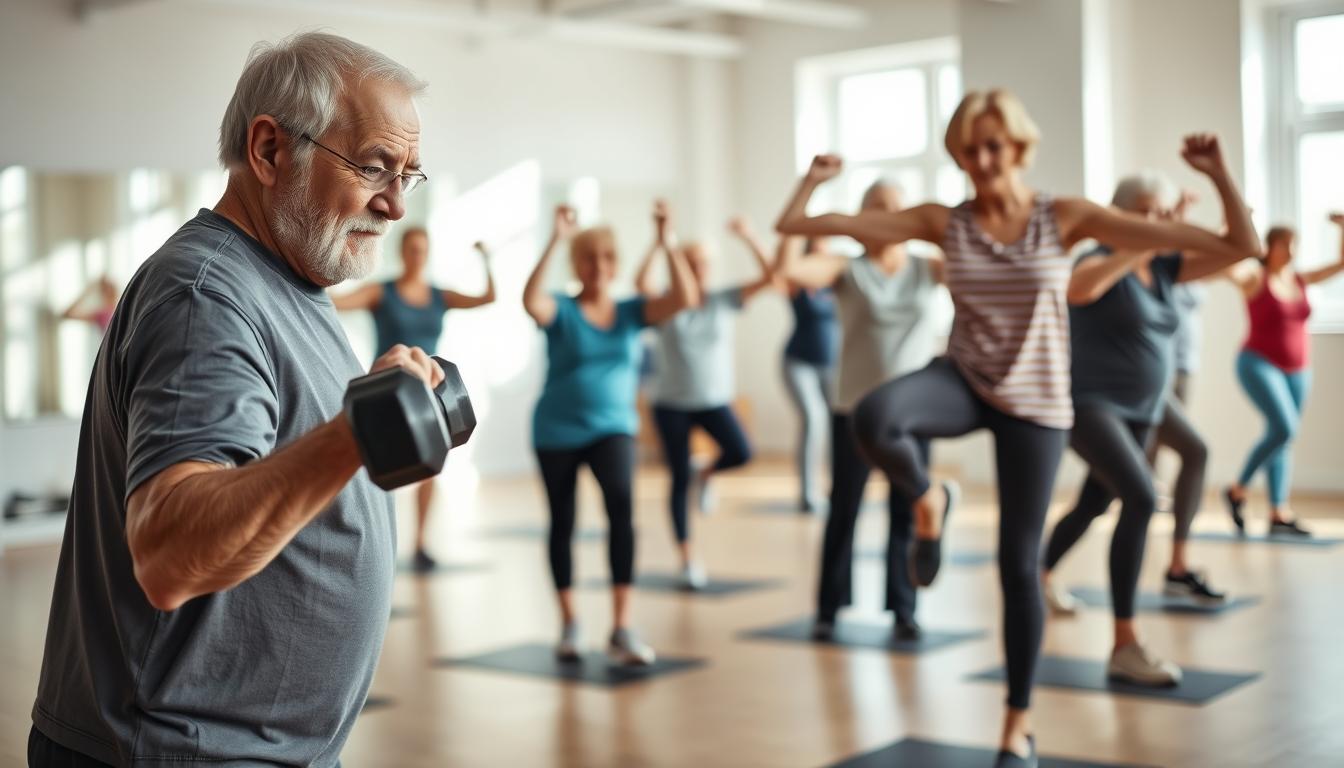
E-bikes assist pedaling on hills and long distances. They maintain exercise benefits while reducing overexertion risk. Many seniors find e-bikes extend their cycling years significantly.
Safety Equipment
Essential gear includes:
- Properly fitted helmet
- Bright or reflective clothing
- Front and rear lights
- Bell or horn for alerting pedestrians
Cycling Apps and Programs
| App | Features | Platform |
|---|---|---|
| Peloton App | Guided classes, metrics tracking | Indoor/outdoor |
| Zwift | Virtual routes, multiplayer riding | Indoor only |
| MapMyRide | Route tracking, elevation data | Outdoor only |
| Studio by Peloton | Beginner-friendly classes | Indoor/outdoor |
| Cyclemeter | Advanced metrics, voice feedback | Outdoor only |
Strength Training: Building Calorie-Burning Muscle
Strength training burns 100-200 calories per session while increasing resting metabolic rate by up to 7% through added muscle mass.
How Muscle Boosts Metabolism
Muscle tissue burns more calories at rest than fat tissue. After age 50, adults lose approximately 1-2% of muscle mass annually without resistance training. This loss directly slows metabolism.
Regular strength training reverses this decline. Added muscle increases daily calorie expenditure by 50-100 calories even on rest days.
Essential Exercises for Seniors
Focus on compound movements that work multiple muscle groups simultaneously.
Lower Body:
- Chair squats (quadriceps, glutes)
- Calf raises (lower legs, balance)
- Step-ups (full leg, coordination)
Upper Body:
- Wall push-ups (chest, shoulders, triceps)
- Resistance band rows (back, biceps)
- Overhead presses (shoulders, core)
Core:
- Modified planks (abs, back)
- Seated twists (obliques)
- Bird dogs (total core, balance)
Creating Your Routine
Train 2-3 days weekly with at least one rest day between sessions. Complete 8-12 repetitions of each exercise for 2-3 sets. Start with bodyweight or light resistance, gradually increasing as movements become easier.
Sessions lasting 20-30 minutes provide adequate stimulus without excessive fatigue.
Equipment Options
Bodyweight: No equipment needed, perfect for beginners
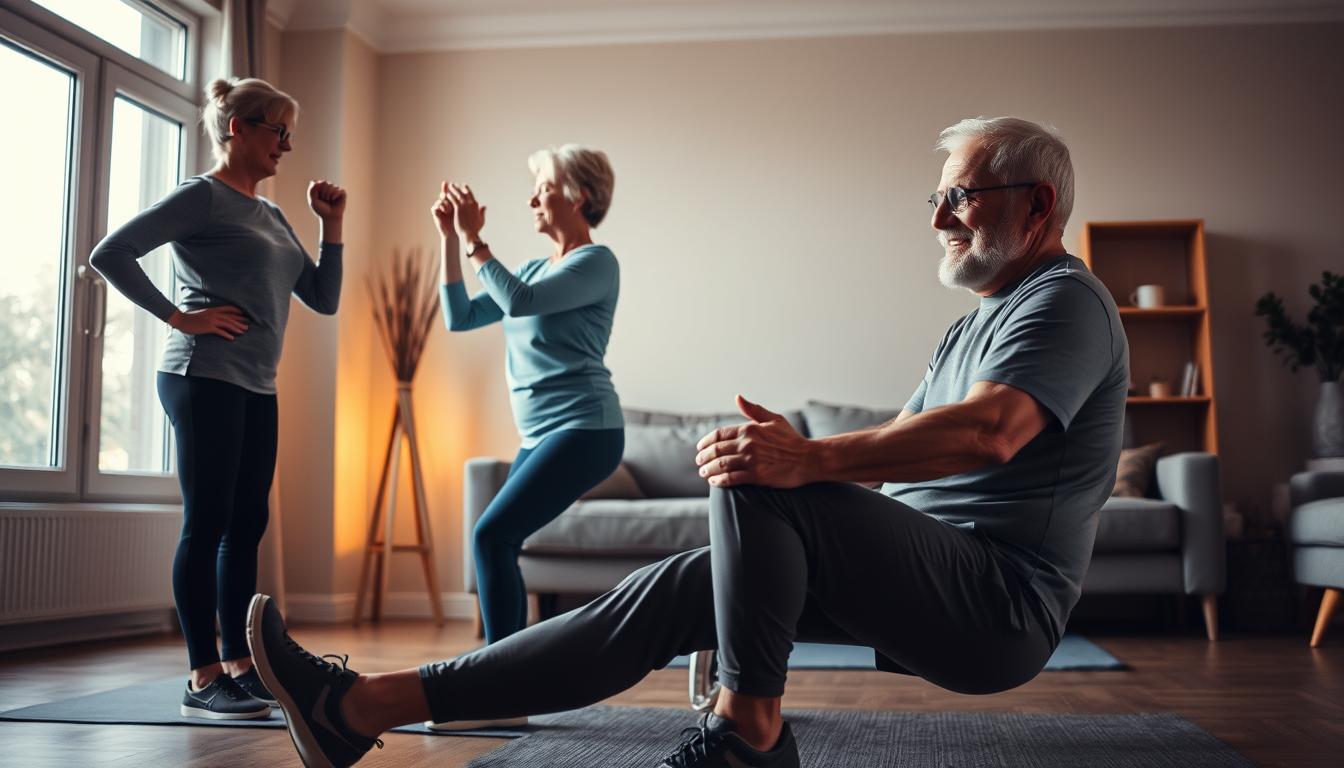
Resistance Bands: Portable, inexpensive ($10-30), variable tension
Dumbbells: Versatile, durable, 3-10 pounds suitable for most seniors
Ankle/Wrist Weights: Add intensity to bodyweight movements
Strength Training Apps
- SilverSneakers GO: Senior-specific routines with modifications
- Fitbod: AI-generated workouts adapting to progress
- JEFIT: Extensive exercise library with tracking
- Aaptiv: Audio-coached strength sessions
- Daily Workouts: Quick 5-10 minute routines
- Strong: Simple workout logging and tracking
Dance and Aerobics: Fun High-Calorie Activities
Dance-based exercise burns 200-400 calories per hour while improving balance, coordination, and cognitive function through choreography memorization.
Benefits Beyond Calorie Burn
Social interaction during group classes combats isolation and depression. Music creates enjoyment that makes exercise feel less like work. Complex movement patterns stimulate brain health and may reduce dementia risk.
Dance improves proprioception—your body's spatial awareness—which directly prevents falls.
Senior-Friendly Dance Styles
Zumba Gold adapts traditional Zumba for older adults with modified movements and lower intensity.
Chair aerobics provides full workouts while seated, ideal for limited mobility.
Line dancing teaches simple, repetitive patterns that build confidence quickly.
Ballroom dancing offers partner support and elegant movements suitable for various fitness levels.
Finding Appropriate Classes
Look for classes labeled:
- "Senior-friendly"
- "Low-impact"
- "Beginner"
- "Adaptive"
Most instructors demonstrate modifications for different ability levels. Never hesitate to ask questions or request alternatives to challenging moves.
Start with 30-minute classes, progressing to 45-60 minutes as endurance improves.
Dance Fitness Apps
| App | Style | Special Features |
|---|---|---|
| Zumba | Latin-inspired | Zumba Gold specifically for seniors |
| BollyX | Bollywood | High-energy but modifiable |
| Just Dance Now | Various | Uses phone camera, no console needed |
| Les Mills On Demand | Multiple formats | BODYBALANCE, BODYPUMP, more |
| FitOn | Dance cardio | Free classes with senior options |
Comparing the Best Calorie-Burning Exercises
Calorie Expenditure Chart
| Exercise | Calories/Hour | Impact Level | Equipment Needed |
|---|---|---|---|
| Walking | 150-200 | Low | Shoes only |
| Swimming | 200-300 | None | Pool, swimsuit |
| Cycling | 200-400 | Very low | Bike |
| Strength Training | 100-200/session + metabolic boost | Low | Bands/weights |
| Dance/Aerobics | 200-400 | Low-moderate | None |
Choosing Your Best Option
No single exercise burns dramatically more calories than others at comparable intensity. Personal factors determine the best choice:
Choose walking if you prefer outdoor exercise, have limited budget, or want maximum flexibility.
Choose swimming if you have significant joint pain, arthritis, or enjoy water activities.
Choose cycling if you want low-impact cardio with clear progression metrics.
Choose strength training if you prioritize long-term metabolic benefits and functional fitness.
Choose dance if you value social interaction and want exercise that feels like recreation.
The most effective approach combines multiple exercises throughout the week.
Creating Your Weekly Workout Plan
An effective calorie-burning plan for seniors includes 3-5 cardio sessions and 2-3 strength sessions weekly.
Sample Beginner Schedule
Monday: 20-minute walk
Tuesday: Rest or gentle stretching
Wednesday: 20-minute strength training
Thursday: 30-minute swimming or cycling
Friday: Rest
Saturday: 30-minute dance class or walking
Sunday: 20-minute strength training
Sample Intermediate Schedule
Monday: 40-minute brisk walk with intervals
Tuesday: 30-minute strength training
Wednesday: 45-minute swimming
Thursday: 30-minute cycling
Friday: 30-minute strength training
Saturday: 60-minute dance class
Sunday: Rest or 20-minute easy walk
Setting Realistic Goals
Target 1,000-2,000 calories burned weekly through structured exercise. This amount supports:
- Weight loss of 0.5-1 pound weekly when combined with moderate calorie restriction
- Weight maintenance with normal eating
- Significant cardiovascular and metabolic health improvements
Track progress through multiple metrics beyond calories:
- Increased workout duration or intensity
- Improved resting heart rate
- Better sleep quality
- Enhanced mood and energy
- Easier completion of daily tasks
Nutrition Considerations
Exercise creates calorie deficits, but nutrition determines whether this translates to weight loss. Avoid compensating by eating significantly more after workouts.
Protein becomes especially important for seniors doing strength training. Aim for 0.5-0.7 grams per pound of body weight daily—about 75-105 grams for a 150-pound person.
Hydration needs increase with exercise. Drink water before, during, and after activities. Urine should appear pale yellow.
Safety Guidelines for Senior Exercise
Warning Signs Requiring Immediate Cessation
Stop exercising immediately if you experience:
- Chest pain, pressure, or tightness
- Severe shortness of breath
- Dizziness or lightheadedness
- Unusual heart rhythm
- Nausea or vomiting
- Sharp joint or muscle pain
Seek medical attention for chest symptoms or anything that seems abnormal.
Injury Prevention Strategies
Warm up for 5-10 minutes with light movement before main exercise. This increases blood flow and prepares muscles.
Cool down for 5-10 minutes with decreasing intensity. This prevents blood pooling and reduces dizziness.
Stretch major muscle groups after exercise when muscles are warm. Hold stretches for 15-30 seconds without bouncing.
Progress gradually. Increase duration, intensity, or frequency by no more than 10% weekly.
Rest adequately. Muscle repair and strengthening occur during rest, not during exercise itself.
Medical Clearance
Obtain physician approval before starting if you have:
- Heart disease or stroke history
- Uncontrolled hypertension
- Diabetes
- Chronic obstructive pulmonary disease
- Recent surgery
Physical therapists can design specialized programs for those with specific conditions or limitations. Certified senior fitness trainers (such as those with SilverSneakers credentials) understand age-related considerations.
Staying Motivated for Long-Term Success
Tracking Methods
Fitness trackers provide automatic activity monitoring. Popular options include:
- Fitbit (comprehensive tracking, large display)
- Apple Watch (extensive features, iPhone integration)
- Garmin (GPS accuracy, long battery life)
Smartphone apps work without additional devices. Most track steps, distance, and estimated calories using built-in sensors.
Exercise journals offer a low-tech alternative. Record date, activity type, duration, and how you felt. Written logs reveal patterns and progress over weeks and months.
Building Accountability
Group classes create scheduled commitments. Missing a class means letting down instructors and classmates.
Exercise partners make workouts social events. Partners reduce cancellation likelihood by 95% compared to solo exercise.
Online communities connect you with others pursuing similar goals. Facebook groups, Reddit forums, and app-based communities provide encouragement and advice.
Overcoming Common Barriers
Low energy: Exercise actually increases energy levels. Start with just 10 minutes—you can always continue if you feel good.
Weather challenges: Have indoor alternatives ready. Mall walking, online workout videos, or gym memberships solve weather problems.
Chronic pain: Water exercise and strength training often reduce pain over time. Work with healthcare providers to find suitable modifications.
Self-consciousness: Senior-specific classes attract people with similar concerns. Everyone focuses on their own workout, not others.
Additional Tools for Senior Fitness Success
Comprehensive Tracking Apps
MyFitnessPal combines exercise logging with nutrition tracking. The extensive food database simplifies calorie monitoring.
Google Fit integrates with multiple devices and apps, creating a centralized fitness dashboard.
Samsung Health offers similar functionality for Samsung device users.
Strava excels for walking and cycling with social features that let you compare activities with friends.
Senior-Specific Platforms
SilverSneakers GO provides complete workout programs designed for older adults. Many Medicare plans include free SilverSneakers membership.
Bold focuses exclusively on strength training for seniors, with safety emphasis and clear progression.
eMoveMe offers medical-grade programs often prescribed by physicians for specific conditions.
Recovery and Mindfulness Apps
Calm includes sleep stories, meditation, and stretching routines supporting recovery.
Headspace teaches mindfulness techniques that improve exercise adherence and reduce anxiety.
Insight Timer provides thousands of free guided meditations.
Frequently Asked Questions
How Many Calories Should Seniors Burn Daily Through Exercise?
Most seniors should target 150-300 calories per exercise session, totaling 1,000-2,000 calories weekly. This amount provides substantial health benefits without overtraining risks.
Daily totals depend on weight loss goals. Creating a 500-calorie daily deficit (through exercise and diet combined) produces one pound of weekly weight loss.
Is Daily Exercise Safe for Seniors?
Daily movement is not only safe but beneficial. Alternate between higher-intensity cardio days and lower-intensity strength or flexibility work. This pattern prevents overuse injuries while maintaining consistency.
Complete rest days become necessary only if you experience unusual fatigue or soreness.
What Time of Day Works Best for Senior Exercise?
Morning exercise establishes routine before daily obligations interfere. Some research suggests morning workouts improve adherence by 75%.
Afternoon sessions may allow better performance since body temperature peaks between 2-6 PM. Evening exercise can disrupt sleep for some individuals.
Consistency matters far more than timing. Choose whenever you feel most energetic and can maintain regularity.
Can Seniors with Arthritis Do Calorie-Burning Exercise?
Arthritis patients often benefit dramatically from appropriate exercise. Swimming, water aerobics, cycling, and walking cause minimal joint stress while strengthening supporting muscles.
Start gently and progress slowly. Some initial discomfort is normal, but sharp pain signals the need to stop or modify. Physical therapists can recommend specific exercises for affected joints.
How Long Before Results Appear?
Energy improvements and mood elevation often occur within the first week. Measurable fitness gains (increased endurance, strength) typically appear after 4-6 weeks of consistent training.
Weight loss becomes visible after 4-8 weeks, depending on calorie deficit size. Body composition changes (muscle gain, fat loss) may not reflect on scales but improve appearance and function.
Patience and consistency produce lasting results. The most important outcome—improved health—begins immediately even before visible changes appear.
