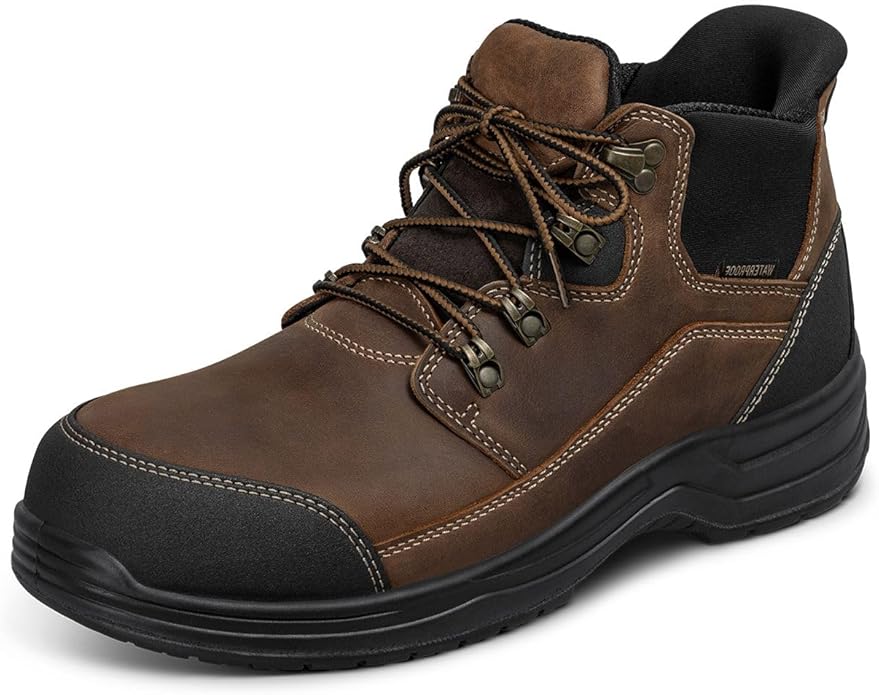
The best hiking boots for senior men in 2025 are the Salomon X Ultra 5 Mid GTX, Hoka Kaha 3 GTX, and the Merrell Moab 3 Mid WP because they prioritize stability, cushioning, and accommodation for age-related foot changes while maintaining trail performance. This guide ranks 15 specialized boots designed for the unique biomechanical needs of aging hikers.
Summary of Top Recommendations for Senior Male Hikers
Best Overall: Salomon X Ultra 5 Mid GTX
The X Ultra 5 delivers optimal performance for the widest range of senior hikers. Its lightweight design (1 lb. 15 oz.) prevents fatigue while the Advanced Chassis provides substantial stability. At $185, it offers excellent value. Choose this if you're an active senior hiking regularly on varied terrain without severe foot conditions.
Best for Orthopedic Needs: Hoka Kaha 3 GTX
Seniors suffering from plantar fasciitis, arthritis, or chronic joint pain find unmatched relief in the Kaha 3's 2 inches of cushioning. The Meta-Rocker assists limited mobility. At $240 and 3 pounds, it represents a worthy investment for those prioritizing comfort over athleticism.
Best Budget Choice: Merrell Moab 3 Mid WP
The Moab 3 provides solid performance at $150—$35-135 less than premium competitors. Immediate comfort and wide availability make it ideal for casual hikers on established trails. Accept that it won't match premium boots on technical terrain or longevity.
Best for Accessibility: Orthofeet Dalton Hands-Free
The Dalton's slip-in technology restores independence for seniors with mobility limitations. Diabetic-friendly construction and orthopedic support make it essential for those with medical needs. At $164.95, it enables continued hiking when traditional boots become unusable.
Advice for Senior Men Selecting Hiking Boots
Prioritize Fit Over Brand Loyalty
A perfectly fitting mid-range boot outperforms an ill-fitting premium model. Brands fit differently; try multiple options before deciding. Your feet matter more than marketing claims.
Consider Multiple Pairs for Different Conditions
Owning both a lightweight day-hiking boot and a supportive backpacking boot optimizes performance across conditions. This proves more effective and economical than seeking one compromise boot attempting everything.
Don't Sacrifice Safety for Weight Savings
While lighter boots reduce fatigue, adequate support prevents injuries. Seniors with balance issues, previous sprains, or carrying heavy loads must prioritize stability over minimal weight.
Invest in Quality for Long-Term Foot Health
Quality boots costing $180-280 protect feet better and last longer than budget options under $100. Given hiking's benefits for senior health—cardiovascular fitness, bone density, mental well-being—proper footwear represents a valuable investment in overall wellness.
The trails remain accessible to senior men willing to select boots matching their specific needs. Whether you require maximum cushioning, accessibility features, or athletic performance, the 2025 market offers specialized solutions. Your perfect boot exists; finding it requires honest assessment of your capabilities and conditions rather than chasing trends or lowest prices.
• Sole material: Rubber
• Outer material: Leather
• Closure type: Lace-Up
• Conquer your ascents and master your descents with confidence
• Grip and Traction
• Protective
• Stability
• Lightweight yet stable, it's as good at charging up hills as it is at tackling descents
• Designed to keep you safe and agile on trails
• ultra-durable Matryx upper
• long lasting Contagrip outsole for grip
• collar area tailored for lasting comfort
• Sole material: Rubber
• Outer material: Polyester
• Closure type: Lace-Up
• Leather Working Group Gold-Rated waterproof nubuck leather
• Quick-lace metal top hooks
• GORE-TEX Invisible Fit footwear fabric
• cushy sockliner combats foot fatigue • dual density sugarcane EVA midsole provides a bit more bounce than its predecessor
• HOKA’s first-ever mid-cut hiker with GORE-TEX Invisible Fit • durable toe cap
• Achilles-friendly heel collar to mitigate pressure
• Vibram Megagrip outsole for toothy traction on lose terrain
• Sole material: Rubber
• Shaft height: Ankle
• Shaft circumference: 4 Inches
• Waterproof membrane seals out water and lets moisture escape
• Pig suede leather and breathable mesh upper
• Kinetic Fit ADVANCED removable contoured footbed with reinforced heel cushioning for medium support
• Merrell Air Cushion in the heel absorbs shock and adds stability
• Vibram TC5+ outsole provides exceptional traction for outdoor multi-sport activities, formulated exclusively for Merrell
• Ortho-Cushion system includes a built-in orthotic insole, a shock-absorbing sole, and a pressure-free fit
• Sole material: Rubber
• Shaft height: Ankle
• Outer material: Leather
• Hands-Free, Heavy-Duty Comfort: Patented slip-on design and waterproof leather keep you protected and supported without tying laces, perfect for demanding workdays.
• Safety-First Engineering: Composite toe guard, slip-resistant outsole, and F2413-18 safety ratings ensure crush resistance, electric hazard protection, and traction on any surface.
• Orthopedic Support for All-Day Wear: Ortho-Cushion system, wide toe box, and adjustable fit relieve pain and pressure while stabilizing feet and calves.
• Includes premium orthotic insole in every shoe for innovative comfort, arch support, and advanced pain relief.
• Fit & Sizing: True to size. Orthofeet shoes are designed with a soft upper and wide toe-box to eliminate irritation and enhance comfort.
Understanding the Unique Footwear Needs of Senior Male Hikers
Senior male hikers require boots that address specific physiological changes occurring after age 60. The foot undergoes significant transformation with aging: sub-metatarsal fat pads atrophy, reducing natural shock absorption; ligaments become lax, flattening the arch; proprioceptive feedback diminishes, compromising balance. These changes demand footwear that compensates through enhanced stability systems, superior cushioning, and thoughtful design features.
Age-Related Foot Changes That Impact Boot Selection
Fat Pad Atrophy and Shock Absorption
The natural cushioning under the ball and heel of the foot thins with age. This loss exposes bones to direct impact forces during hiking. Boots for senior men must provide substantial midsole cushioning to replace this biological shock absorption. EVA foam or polyurethane systems become critical components rather than optional upgrades.
Ligamentous Laxity and Arch Flattening
Connective tissues lose elasticity over time, causing the arch to collapse. A flatter foot requires boots with integrated arch support and lateral stability features. Without proper support, senior hikers experience increased fatigue and heightened injury risk on uneven terrain.
Decreased Proprioceptive Feedback
The nervous system's ability to sense foot position weakens with age. This diminished awareness increases stumble and fall risk. Lower-profile boots improve ground contact, while textured footbeds enhance sensory input to the brain.
Reduced Peripheral Circulation
Blood flow to extremities decreases in older adults, making feet more susceptible to temperature extremes. Breathable waterproof membranes like GORE-TEX or eVent prevent moisture buildup while maintaining warmth. Poor circulation also slows blister healing, making friction prevention essential.
Key Features in Hiking Boots
Stability and Support Systems
Ankle support prevents the inversions that commonly cause sprains in aging hikers. Mid-cut and high-top designs provide mechanical bracing around the malleolus. Advanced chassis systems—rigid frames integrated into the sole—guide the foot through each step while preventing torsional twisting on rocky terrain.
Cushioning and Impact Attenuation
Two midsole materials dominate the market:
EVA (Ethylene Vinyl Acetate): Lighter weight with superior immediate cushioning. Nitrogen-infused versions resist compression better than standard foam. Ideal for day hikers prioritizing comfort over longevity.
PU (Polyurethane): Heavier but maintains support over hundreds of miles without permanent compression. Best for seniors carrying heavy packs or requiring consistent orthopedic support across extended trips.
Stack height matters significantly. Boots with 1.5-2 inches of foam filter jarring forces that exacerbate knee and hip arthritis.
Fit and Comfort Considerations
Wide toe boxes accommodate bunions, hammertoes, and general forefoot spreading common in senior men. Feet swell during long hikes; boots must provide volume adjustability through advanced lacing systems or expandable uppers. Simplified closures benefit those with arthritic hands or limited back flexibility.
Weight Optimization
Each ounce on the foot equals roughly five pounds of pack weight in energy expenditure. Lighter boots drastically reduce late-day fatigue when muscular endurance wanes. The challenge involves balancing weight reduction against necessary support—a calculation unique to each hiker's physical condition.
Quick Comparison: Best Senior Men’s Hiking Boots by Category
Best Overall
Winner: Salomon X Ultra 5 Mid GTX – Optimal balance of lightweight agility and stability at $185
Runner-up: Salomon Quest 4 GTX – Maximum support for technical terrain at $230
Best Budget Options
Winner: Merrell Moab 3 Mid WP – Solid performance and immediate comfort at $150
Runner-up: Altra Lone Peak Hiker 3 – Minimalist design with wide toe box at $150
Runner-up: Keen Targhee IV Waterproof – Massive toe box and durability at $180
Best Lightweight Options
Winner: Salomon X Ultra 5 Mid GTX – Under 2 pounds with full support at $185
Runner-up: Hoka Anacapa 2 Mid GTX – 1 lb. 13.4 oz. with Hubble heel at $195
The 15 Best Hiking Boots for Senior Men in 2025: Complete Rankings
1. Salomon X Ultra 5 Mid GTX: Best Overall Hiking Boots for Senior Males
The Salomon X Ultra 5 Mid GTX ranks first by masterfully combining lightweight agility with substantial stability, addressing the primary concern of senior hikers: reducing fatigue without sacrificing safety.
Specifications
Feature
Details
Price
$185.00
Weight
1 lb. 15 oz. (pair)
Upper Material
Synthetic/Textile/Kevlar-reinforced
Waterproofing
GORE-TEX
Midsole
EnergyCell High-Rebound EVA
Outsole
All Terrain Contagrip
Key Features
The Active Support system uses two mobile wings wrapping the midfoot. These wings adapt to foot swelling during extended hikes while mechanically locking the heel to prevent slippage on steep descents. The Advanced Chassis integrates directly into the outsole, lowering the center of gravity. This design increases trail feedback and reduces leverage on the ankle during potential rolls—critical for seniors with compromised proprioception.
All Terrain Contagrip outsole employs dual-density rubber compounds. The formulation prioritizes high-friction grip on wet granite and mud-covered roots, the most hazardous surfaces for aging hikers. Lug depth and spacing balance traction with mud-shedding capability.
Why It's Ranked #1
This boot solves the weight-versus-stability equation better than any competitor. At under 2 pounds per pair, it eliminates the fatigue that causes late-day stumbles while providing enough structure to handle technical terrain. The virtually non-existent break-in period means senior hikers can use them immediately without risking blisters on sensitive skin.
Pros
Exceptionally lightweight reduces leg fatigue
Minimal break-in period prevents blisters
Secure fit without requiring excessive hand strength
Low-profile design enhances ground feel and balance
Excellent wet-surface traction
Cons
Less underfoot cushioning than maximal-stack options
May not provide sufficient plushness for severe fat pad atrophy
Narrower toe box than specialty wide-fit models
Best Suited For
Active senior men engaging in day hikes or fast-packing trips on technical terrain. Those who prioritize agility and terrain awareness over maximum cushioning. Hikers with relatively healthy feet who want to maintain an athletic pace.
2. Salomon Quest 4 GTX: Best for Rugged Terrain
The Salomon Quest 4 GTX ranks second as the definitive choice for seniors tackling challenging backcountry environments where ankle protection becomes paramount.
Specifications
Feature
Details
Price
$230.00
Weight
2 lb. 14.4 oz. (pair)
Upper Material
Nubuck Leather/Synthetic
Waterproofing
GORE-TEX
Midsole
Dual-Density EVA
Outsole
Contagrip TD
Key Features
The 4D Advanced Chassis provides rigid lateral framing that guides the foot through each step while preventing the torsional twisting responsible for injuries on loose scree. High-top construction rises significantly above the ankle bone, creating a mechanical brace essential for seniors with previous sprains or ligament instability.
A locking eyelet at the ankle allows independent tightening of lower and upper boot sections. This feature prevents "toe-bang" during descents—when the toes repeatedly slam into the front of the boot—while accommodating high insteps. Aggressive 5mm lugs feature wide spacing that effectively sheds mud and snow, maintaining consistent traction in shoulder-season conditions.
Why It's Ranked #2
The Quest 4 delivers unrivaled support and protection for technical terrain. However, its 3-pound weight extracts an energy cost that limits its appeal for seniors with reduced muscular endurance. It ranks second because fewer hikers need this level of support compared to the versatile X Ultra 5.
Pros
Maximum ankle support prevents sprains
Independent lacing zones accommodate swelling
Exceptional durability justifies higher price
Superior traction in mud and snow
Handles heavy pack loads effectively
Cons
Nearly 3 pounds causes fatigue on long days
Requires 10-15 mile break-in period
Can overheat in warm desert climates
Higher price point at $230
Best Suited For
Senior men carrying 30+ pound packs on multi-day trips. Those with history of ankle injuries requiring maximum mechanical support. Experienced hikers venturing into high-alpine environments where fall consequences are severe.
3. Lowa Renegade Evo GTX Mid: Most Versatile
The Lowa Renegade Evo GTX Mid ranks third by delivering heavyweight support at mid-duty weight, creating an ideal balance for varied hiking conditions.
Specifications
Feature
Details
Price
$280.00
Weight
2 lb. 9.6 oz. (pair)
Upper Material
Nubuck Leather
Waterproofing
GORE-TEX
Midsole
Dual-Density DuraPU
Outsole
Vibram Evo
Key Features
Monowrap frame construction injects polyurethane directly into the sole and wraps up the boot sides. This creates a supportive cradle for the senior foot without thick, heavy leather overlays. The result provides exceptional lateral stability while maintaining reasonable weight.
DuraPU midsole offers critical advantages for aging hikers. Unlike EVA that compresses permanently over time, polyurethane maintains consistent support after hundreds of miles. This longevity proves essential for seniors requiring reliable orthopedic support across years of use. The 2025 update removes pressure points over metatarsal-phalangeal joints, accommodating bunions and hammertoes.
Why It's Ranked #3
Superior durability and versatile fit justify the $280 price tag—$95 more than the X Ultra 5. European manufacturing ensures quality control. Available in regular, wide, and narrow widths, it accommodates more foot shapes than competitors. Ranks third because its traditional aesthetic and slightly higher weight appeal to a narrower audience than the top two models.
Pros
PU midsole maintains support over extended lifespan
Available in multiple width options
Excellent weight-to-support ratio
Premium European craftsmanship
Accommodates foot deformities comfortably
Cons
$280 price is $100+ more than comparable models
Slightly heavier than pure lightweight options
Traditional styling may not appeal to all seniors
Best Suited For
Senior men who hike in varied conditions and want one boot handling both local day hikes and multi-day treks with moderate packs. Those valuing long-term durability over cutting-edge weight savings. Hikers requiring specific width accommodations.
4. Hoka Kaha 3 GTX: Best Cushioning for Male Seniors with Foot Pain
The Hoka Kaha 3 GTX ranks fourth as the definitive solution for seniors suffering from joint degeneration or chronic foot pain.
Specifications
Feature
Details
Price
$240.00
Weight
3 lb. 0 oz. (pair)
Upper Material
Gold-Rated Nubuck Leather
Waterproofing
GORE-TEX
Midsole
Dual-Density EVA (2 inches)
Outsole
Vibram Megagrip
Key Features
Nearly two inches of EVA foam—double the volume of traditional hiking boots—creates a high-performance suspension system. This massive cushioning filters jarring forces from heel strikes on hard-packed trails and granite steps that would otherwise worsen osteoarthritis in knees and hips.
Late-stage Meta-Rocker sole geometry creates a rolling motion from heel-strike to toe-off. This mechanism assists seniors who've lost great toe or ankle flexibility by mechanically propelling the foot through each step, reducing calf muscle workload. The Vibram Megagrip outsole with 5mm lugs delivers top-tier security on slippery technical terrain.
Why It's Ranked #4
Specialization limits broader appeal. The Kaha 3 excels specifically for seniors with chronic pain but sacrifices the trail feel and precision of lighter models. It ranks fourth because its maximal cushioning addresses a critical need for a significant subset of aging hikers, though not the majority. The $240 price reflects premium materials and specialized engineering.
Pros
Industry-leading cushioning for joint protection
Meta-Rocker assists limited ankle mobility
Reduces impact forces on arthritic joints
Premium leather upper provides luxury feel
Excellent traction on technical terrain
Cons
3-pound weight causes fatigue for some seniors
Lacks precision trail feel of lighter models
Lacing system challenging to tighten securely
$240 price point
Best Suited For
Senior men with significant joint degeneration, plantar fasciitis, or chronic foot pain. Those recovering from lower-limb injuries. Hikers prioritizing absolute comfort over weight considerations or athletic performance.
5. Merrell Moab 3 Mid WP: Most Affordable
The Merrell Moab 3 Mid WP ranks fifth as the optimal choice for budget-conscious seniors seeking reliable performance without premium pricing.
Specifications
Feature
Details
Price
$150.00
Weight
2 lb. 0.7 oz. (pair)
Upper Material
Pigskin Leather/Mesh
Waterproofing
Merrell Proprietary Membrane
Midsole
EVA/Merrell Air Cushion
Outsole
Vibram TC5+
Key Features
"Foot-friendly" last design accommodates wide foot shapes immediately out of the box. Significant foam padding around the ankle collar and tongue creates a sneaker-like feel, reducing chafing risk on sensitive aging skin. Kinetic Fit ADVANCED removable contoured insole provides reinforced heel cushioning and molded arch support.
Vibram TC5+ outsole delivers dependable traction on dry, dusty trails and gravel—the surfaces most common on established park paths. The "Mother of All Boots" nickname reflects its worldwide popularity among casual hikers.
Why It's Ranked #5
At $150, the Moab 3 costs $35-85 less than higher-ranked competitors while delivering solid performance for recreational use. Ranks fifth because it lacks the advanced chassis systems and premium materials justifying higher prices. Merrell's proprietary waterproof membrane breathes less effectively than GORE-TEX. However, for seniors hiking maintained trails occasionally, these compromises prove acceptable given the value proposition.
Pros
Exceptional value at $150
Immediate comfort requires no break-in
Available in multiple widths
Sneaker-like feel for casual hiking
Widely available for easy fitting
Cons
Less support on technical rocky terrain
Proprietary membrane less breathable than GORE-TEX
Not suitable for aggressive backcountry use
Basic materials compared to premium models
Best Suited For
Budget-conscious seniors engaging in casual weekend hiking on well-maintained park trails. Beginners uncertain about hiking frequency. Occasional hikers who prioritize immediate comfort over technical performance.
6. Keen Targhee IV Waterproof: Most Durable
The Keen Targhee IV Waterproof ranks sixth, targeting seniors who prioritize longevity and forefoot space.
Specifications
Feature
Details
Price
$180.00
Weight
2 lb. 8.7 oz. (pair)
Upper Material
Nubuck Leather
Waterproofing
KEEN.DRY
Midsole
Luftcell Air-Injected EVA
Outsole
KEEN.ALL-TERRAIN Rubber
Key Features
Solvent-free bonding process prevents glue degradation common in boots stored infrequently—a significant concern for seniors using boots occasionally. This construction method eliminates sole delamination during storage periods. Iconic rubber toe bumper provides industry-best protection against stubbed toes, which frequently cause stumbles as toe-off height decreases with age.
"Original Fit" toe box is exceptionally wide, allowing natural toe splay. This proves essential for seniors with bunions, hammertoes, or general forefoot widening. Multidirectional lugs bite effectively into mud and loose soil, performing well in forest environments.
Why It's Ranked #6
The Targhee IV excels in specific areas—durability and wide fit—but feels heavy and less refined than top-ranked competitors. At 2.5 pounds, it causes more fatigue than lighter alternatives. Ranks sixth because its specialized benefits appeal primarily to seniors with wide feet or those hiking infrequently who need boots surviving long storage periods. The $180 price sits mid-range.
Pros
Massive toe box accommodates wide feet and deformities
Superior toe protection prevents stumbles
Solvent-free construction ensures longevity
Eco-friendly materials
Excellent mud traction
Cons
Feels heavy and clunky compared to modern designs
Wide heel may cause slippage for narrow ankles
2.5-pound weight increases fatigue
Less breathable than GORE-TEX options
Best Suited For
Senior men with wide feet, bunions, or hammertoes. Those who hike infrequently and need boots surviving storage without degradation. Hikers in forest environments with muddy conditions prioritizing toe protection.
7. Topo Athletic Trailventure 2 WP: Best for Senior Males with Wide Feet
The Topo Athletic Trailventure 2 WP ranks seventh for its anatomical design addressing chronic pain from compressed metatarsals.
Specifications
Feature
Details
Price
$185.00
Weight
1 lb. 15.8 oz. (pair)
Upper Material
Technical Mesh
Waterproofing
eVent
Midsole
ZipFoam
Outsole
Vibram Megagrip
Key Features
"FootShape" toe box mimics natural foot geometry with wide, rounded design. This eliminates compression causing Morton's neuroma or hallux valgus pain in traditional tapered boots. Unlike zero-drop models, the Trailventure 2 maintains 5mm heel-to-toe drop, providing familiar geometry that doesn't overtax the Achilles tendon.
Full-length ESS rock plate protects against sharp stones and roots. ZipFoam midsole provides resilient, high-rebound cushioning resisting compression better than standard EVA. eVent waterproof bootie offers exceptional breathability for seniors hiking in humid conditions where foot sweat causes irritation.
Why It's Ranked #7
The Trailventure 2 solves specific anatomical problems brilliantly but sacrifices some durability through mesh construction. Vibram Megagrip outsole ranks among the best for wet traction. Ranks seventh because its specialized design serves seniors with specific foot health concerns rather than general populations. At $185, pricing matches mainstream competitors.
Pros
Spacious toe box eliminates forefoot compression
Lightweight at under 2 pounds
Elite Vibram Megagrip traction
Accommodates custom orthotics easily
eVent provides superior breathability
Cons
Mesh upper less durable than leather
Heel stiffness requires break-in period
Not ideal for heavy pack loads
Limited ankle support
Best Suited For
Senior men with Morton's neuroma, bunions, or forefoot pain from traditional boots. Those using custom orthotics requiring volume. Hikers in humid climates needing maximum breathability.
8. On Cloudrock Mid Waterproof: Best for Senior Males with Joint Pain
The On Cloudrock Mid Waterproof ranks eighth, offering Swiss-engineered cushioning technology specifically targeting impact-related joint pain.
Specifications
Feature
Details
Price
$240.00
Weight
1 lb. 14.3 oz. (pair)
Upper Material
Recycled Polyester/TPU
Waterproofing
On Proprietary Membrane
Midsole
Helion Superfoam
Outsole
Missiongrip
Key Features
CloudTec technology uses hollow pods compressing both vertically and horizontally upon impact. Vertical compression absorbs direct shock from foot strikes; horizontal compression absorbs shear forces during push-off. This dual-phase system significantly reduces strain on ankles, knees, and hips—common failure points for aging hikers.
Helion superfoam maintains cushioning properties in cold temperatures, unlike standard EVA that stiffens. Nylon Speedboard plate provides structural rigidity and energy return, helping maintain momentum on flat terrain. Updated Missiongrip outsole improves wet traction compared to previous versions.
Why It's Ranked #8
Premium Swiss engineering delivers exceptional joint protection but at $240 with performance limitations on loose terrain. The sole tends to trap small rocks between CloudTec pods—a minor but persistent annoyance. Ranks eighth because high price and specialized design appeal primarily to seniors on hard-packed trails prioritizing joint health. Less versatile than top-ranked options.
Pros
Dual-phase cushioning reduces joint stress
Extremely lightweight under 2 pounds
Maintains cushioning in cold weather
Modern, stylish aesthetic
Energy return assists forward momentum
Cons
$240 price among highest in category
CloudTec pods trap small rocks
Less effective on loose scree
Proprietary membrane less proven than GORE-TEX
Best Suited For
Senior men hiking primarily on hard-packed trails and gravel paths. Those with significant joint pain requiring maximum impact protection. Hikers valuing modern design and cutting-edge technology.
9. Hoka Anacapa 2 Mid GTX: Best for Older Men with Sensitive Feet
The Hoka Anacapa 2 Mid GTX ranks ninth, providing lightweight comfort with sustainability features for less technical terrain.
Specifications
Feature
Details
Price
$195.00
Weight
1 lb. 13.4 oz. (pair)
Upper Material
Leather/Recycled Polyester
Waterproofing
GORE-TEX Invisible Fit
Midsole
Sugarcane EVA (30%)
Outsole
Vibram Megagrip
Key Features
Hubble heel features extended, swallow-tail geometry creating larger surface area for heel strikes. This significantly increases stability on downhill sections and smooths transitions to forefoot—vital for seniors with reduced balance or tripping tendencies.
GORE-TEX Invisible Fit bonds waterproof membrane directly to upper material instead of using bulky internal bootie. This eliminates bunching and pressure points common in traditional waterproof boots, benefiting seniors with sensitive skin or circulatory issues. Midsole incorporates 30% sugarcane-based EVA, leading sustainability efforts.
Why It's Ranked #9
The Anacapa 2 excels on established trails but lacks ankle support and durability for wilderness backpacking. Extended heel occasionally catches on narrow or overgrown paths. Ranks ninth because its lightweight comfort and eco-friendly materials appeal to day-hiking seniors on maintained trails—a narrower use case than more versatile competitors. $195 pricing sits mid-range.
Pros
Incredibly smooth ride quality
Lightweight under 2 pounds
Eco-friendly sustainable materials
Excellent Vibram Megagrip traction
No pressure points from waterproofing
Cons
Extended heel can catch on narrow trails
Limited ankle support
Thinner leather upper wears faster
Not suitable for technical backpacking
Best Suited For
Day-hiking seniors on established trails prioritizing plush comfort. Eco-conscious hikers valuing sustainable materials. Those with sensitive skin requiring pressure-point-free construction.
10. Orthofeet Dalton Hands-Free: Easiest to Put On
The Orthofeet Dalton Hands-Free ranks tenth as a critical accessibility tool for seniors with limited mobility.
Specifications
Feature
Details
Price
$164.95
Weight
Midweight
Upper Material
Synthetic/Textile
Waterproofing
Waterproof
Midsole
Ortho-Cushion System
Outsole
Slip-Resistant Rubber
Key Features
Patented "Slip-In" technology allows stepping into boots without bending over or using hands. This feature restores independence for seniors with chronic back pain, hip stiffness, or severe arthritis making traditional lacing impossible.
Ortho-Cushion System includes premium orthotic insole with built-in arch support and shock-absorbing heel. Completely seam-free interior with soft padding makes it diabetic-friendly by eliminating friction points causing blisters or ulcers in those with neuropathy. Available in multiple widths up to XX-Wide.
Why It's Ranked #10
Specialized accessibility focus limits broader hiking performance. Outsole lacks aggressive traction for technical mountain terrain. Ranks tenth because it serves a critical need—enabling mobility-challenged seniors to hike—but can't compete athletically with higher-ranked models. At $164.95, pricing remains reasonable for specialized medical footwear.
Pros
Hands-free entry eliminates bending
Exceptional comfort for sensitive feet
Diabetic-friendly seam-free construction
Available up to XX-Wide widths
Generous warranty program
Cons
Less aggressive outsole for technical terrain
Purely functional aesthetic
Limited performance on steep trails
Heavier than athletic hiking boots
Best Suited For
Senior men with mobility challenges, arthritis, or chronic back pain. Diabetics requiring protective footwear. Those needing accessible footwear to maintain active lifestyle on light to moderate trails.
11. Apex Balance Hiker: Best for Fall Prevention
The Apex Balance Hiker ranks eleventh, uniquely designed as fall-prevention footwear with scientific backing.
Specifications
Feature
Details
Price
$164.95
Weight
Lightweight
Upper Material
Breathable Mesh/Synthetic
Waterproofing
No
Midsole
Responsive Polyurethane
Outsole
Hard Rubber Slip-Resistant
Key Features
Low-profile heel increases base of support, improving stability. Textured footbed provides "proprioceptive sensory feedback"—sending stronger signals to the brain about foot position relative to ground. This compensates for age-related decline in nervous system awareness.
Toe spring creates angled toe design preventing "toe-catch" common on uneven trails or sidewalks. High heel collar provides tactile cues to the ankle, assisting in upright posture maintenance. Hard rubber outsole specifically designed to reduce slips on wet surfaces.
Why It's Ranked #11
Scientifically validated fall prevention justifies inclusion, but lack of waterproofing and limited technical capability restrict versatility. Ranks eleventh because it serves seniors with specific balance concerns or fall history rather than general hiking populations. Design suits gravel paths and pavement better than mountain trekking. $164.95 pricing reflects specialized medical design.
Pros
Scientifically backed balance support
Enhanced proprioceptive feedback
Toe spring prevents tripping
Slip-resistant for wet conditions
Lightweight construction
Cons
No waterproofing limits conditions
Not suitable for technical mountain terrain
More appropriate for paved paths than trails
Limited ankle support
Best Suited For
Senior men with previous falls or balance disorders. Those with mild neuropathy affecting foot sensation. Hikers prioritizing safety on gravel paths and paved trails over technical performance.
12. Altra Lone Peak Hiker 3: Best Zero-Drop Hiking Boots
The Altra Lone Peak Hiker 3 ranks twelfth, appealing to seniors embracing minimalist footwear philosophy.
Specifications
Feature
Details
Price
$150.00
Weight
1 lb. 11.4 oz. (pair)
Upper Material
Mesh/Suede
Waterproofing
Optional (WP version available)
Midsole
Altra EGO
Outsole
MaxTrac with TrailClaw
Key Features
Zero Drop platform places heel and forefoot at identical height from ground. For seniors with healthy Achilles flexibility, this promotes natural spinal and hip alignment, potentially reducing lower back pain caused by elevated heels in traditional boots. FootShape toe box is widest in the industry, allowing big toe to remain straight for maximum stability during toe-off.
Altra EGO midsole provides snappy, responsive feel preferred over "mushy" foams by some seniors. MaxTrac outsole with TrailClaw lugs positions traction directly under metatarsals for mechanical grip on loose dirt and mud.
Why It's Ranked #12
Zero-drop geometry requires adaptation period and risks calf strain for seniors unaccustomed to flat shoes. Less underfoot protection from sharp rocks than cushioned alternatives. Ranks twelfth because it serves a niche audience of experienced minimalist users or those specifically seeking lower back relief through posture alignment. At $150, it offers good value.
Pros
Natural foot feel and alignment
Extremely lightweight under 2 pounds
Widest toe box in industry
Reduces lower back strain for some users
Affordable at $150
Cons
Zero-drop causes calf strain during adaptation
Less protection from sharp rocks
Requires previous minimalist experience
Not suitable for seniors with Achilles issues
Best Suited For
Active seniors with history of minimalist footwear use. Those with lower back pain from heel elevation. Hikers preferring connected trail feel over maximum cushioning.
13. Asolo TPS 520 GV Evo: Best Heavy-Duty Boots
The Asolo TPS 520 GV Evo ranks thirteenth, representing traditional full-leather mountain boots for experienced wilderness trekkers.
Specifications
Feature
Details
Price
$380.00
Weight
4 lb. 2 oz. (pair)
Upper Material
Full-Grain Leather (2.6-2.8mm)
Waterproofing
GORE-TEX
Midsole
Dual-Density Polyurethane
Outsole
Vibram
Key Features
Triple Power Structure (TPS) sole incorporates three shock absorbers at highest-impact foot points, protecting against grueling forces of technical backpacking. Single-piece 2.6-2.8mm water-resistant leather construction creates "bombproof" durability. With proper care, these boots can be resoled and last a decade or more.
Dual-density polyurethane midsole provides uncompromising lateral stiffness supporting heavy pack loads. For seniors finding modern synthetic boots insufficient for their weight or pack, the Asolo delivers ultimate mechanical stability.
Why It's Ranked #13
At 4+ pounds and $380, the TPS 520 represents extreme specialization. Most senior hikers cannot justify the weight penalty or cost. Massive break-in period risks blisters on aging skin. Ranks thirteenth because while it excels for expert wilderness trekkers, the target audience is tiny compared to broader hiking populations. Price reflects premium Italian craftsmanship and resoleable construction.
Pros
Unrivaled support for heavy loads
Extreme durability lasting decades
Resoleable design for long-term value
Classic leather craftsmanship
Maximum lateral stiffness
Cons
4+ pounds causes significant fatigue
$380 price highest in category
Extensive break-in period required
Overkill for most senior hiking needs
Best Suited For
Expert senior hikers venturing into most technical terrains with heavy packs. Those valuing lifetime durability over weight considerations. Experienced mountaineers refusing to compromise support for modern lightweight materials.
14. Drew Rockford: Best Orthopedic Hiking Boots
The Drew Rockford ranks fourteenth as specialized medical footwear for severe foot conditions.
Specifications
Feature
Details
Price
$299.95
Weight
Heavyweight
Upper Material
Tumbled Leather
Waterproofing
Waterproof Membrane
Midsole
Moldable EVA/Steel Shank
Outsole
Slip-Resistant Rubber
Key Features
Plus Fitting System includes two removable footbeds providing "Double Depth"—accommodating even thickest custom orthotics or AF-braces. For seniors with significant edema (swelling), Charcot foot, or severe diabetes, the Rockford often provides the only safe and comfortable fit available.
Features 200g Thermolite insulation for cold-weather adventures. Tempered steel shank provides maximum torsional stability. Waterproof leather upper ensures dry feet in harsh winter conditions. Can be modified significantly by pedorthists.
Why It's Ranked #14
Medical specialization limits hiking performance. Very heavy weight restricts mobility. Ranks fourteenth because it serves seniors with severe medical needs requiring specialized footwear, not general populations. At $299.95, pricing reflects medical-grade construction and customization capabilities.
Pros
Accommodates thickest custom orthotics
Double-depth design for severe swelling
Cold-weather insulation
Can be modified by medical professionals
Robust stability from steel shank
Cons
Very heavy weight limits hiking range
$299.95 high price point
Lacks athletic performance features
Designed more for medical needs than trails
Best Suited For
Senior men with severe diabetes, Charcot foot, or significant edema. Those requiring extensive orthotic accommodation. Hikers needing medical-grade footwear modified by pedorthists for specific conditions.
15. Mt. Emey 9703-L: Best Extra-Wide Hiking Boots
The Mt. Emey 9703-L ranks fifteenth, solving extreme width requirements up to 9E.
Specifications
Feature
Details
Price
$154.95
Weight
1 lb. 10 oz. (pair)
Upper Material
Genuine Leather/Fabric
Waterproofing
No
Midsole
Injected EVA
Outsole
TPR
Key Features
Available in widths up to 9E—far beyond the 2E or 4E offered by mainstream brands. This provides the only option for senior men with severe foot widening or structural deformities excluding them from standard footwear. Seamless lining decreases friction, providing critical safety for diabetic seniors.
High-density EVA outsole provides basic cushioning without traditional rubber weight. High-top design offers ankle coverage. Lightweight at 1 lb. 10 oz. makes it comfortable for extended wear.
Why It's Ranked #15
Extreme width capability is its singular strength. Lack of waterproofing, minimal traction, and limited support make it unsuitable for technical terrain. Ranks fifteenth because it serves the smallest audience—those with extreme anatomical requirements—while compromising nearly all hiking performance features. At $154.95, pricing is reasonable for specialized footwear.
Pros
Only option for extreme widths (up to 9E)
Lightweight construction
Seamless diabetic-friendly lining
Affordable at $154.95
High-top ankle coverage
Cons
No waterproofing limits conditions
Poor traction for rugged trails
Minimal support structure
Only suitable for flat, dry terrain
Best Suited For
Senior men with extreme foot widening beyond 4E requiring specialized fit. Those with structural deformities excluding standard footwear. Diabetics hiking on flat, dry terrain needing extreme width accommodation.
How to Choose the Right Hiking Boots for Male Seniors
Choosing the right hiking boots for senior males requires matching specific age-related needs with boot capabilities rather than following general recommendations.
Assessing Your Specific Needs as a Senior Hiker
Evaluate Current Fitness Level
Your cardiovascular endurance and leg strength determine weight tolerance. Seniors maintaining regular exercise can handle 2-3 pound boots; those with reduced activity should prioritize sub-2-pound options to prevent fatigue-induced stumbles.
Identify Existing Foot Conditions
Plantar fasciitis demands maximum cushioning like the Hoka Kaha 3. Bunions require wide toe boxes found in Keen or Topo models. Neuropathy necessitates enhanced proprioceptive features like those in the Apex Balance Hiker. Previous ankle sprains mandate high-top support from boots like the Quest 4.
Consider Typical Terrain and Trip Length
Day hikes on maintained trails allow lighter, less supportive options. Multi-day backpacking with 30+ pound packs requires robust support from boots using PU midsoles. Technical off-trail hiking demands aggressive traction and protective features.
Determine Pack Weight Requirements
Pack weight directly correlates with necessary boot support. Loads under 15 pounds pair well with lightweight EVA-midsole boots. Heavier loads require PU construction or reinforced chassis systems preventing midsole compression.
Getting the Right Fit for Aging Feet
Size Up for Swelling
Feet swell during extended hiking. Many seniors need a half-size larger than their dress shoe. The boot should accommodate thick hiking socks with room for toes to move without sliding forward on descents.
Try Boots Later in the Day
Feet naturally swell throughout the day. Fitting boots in afternoon or evening ensures they'll accommodate maximum foot volume during actual hikes.
Width Considerations
Standard D-width fits only a portion of senior men. Those with wider feet should seek 2E or 4E options. Brands like Merrell, Lowa, and Keen offer multiple width options. Extremely wide feet may require specialty brands like Mt. Emey.
Break-In vs. Immediate Comfort
Modern synthetic boots like the Salomon X Ultra 5 require minimal break-in. Full-grain leather models like the Asolo TPS 520 demand 10-20 miles of gradual use. Seniors with sensitive skin should prioritize immediate comfort to avoid blisters.
Midsole Material Selection: EVA vs. PU for Senior Men
EVA Benefits
Ethylene Vinyl Acetate provides superior immediate cushioning and weighs significantly less. Nitrogen-infused or supercritical EVA resists compression better than standard foam. Ideal for day hikers, those under 180 pounds, or seniors prioritizing comfort over longevity.
PU Benefits
Polyurethane maintains consistent support after hundreds of miles without permanent compression. Heavier than EVA but delivers reliable orthopedic stability across years. Best for seniors over 200 pounds, those carrying heavy packs, or hikers requiring predictable long-term support.
Matching Material to Hiking Style
Casual weekend hikers benefit from EVA's immediate comfort. Serious backpackers or those on limited budgets wanting boots lasting years should choose PU for durability.
Support Level: How Much Do Senior Men Really Need?
Low-Cut vs. Mid-Cut vs. High-Top
Low-cut trail runners suit seniors with strong ankles hiking groomed trails. Mid-cut boots like the X Ultra 5 provide optimal balance for most seniors. High-top models like the Quest 4 are essential for those with ligamentous laxity or previous injuries.
Matching Support to Ankle Stability
Test your ankle stability by standing on one foot with eyes closed. If you wobble significantly within 10 seconds, prioritize mid or high-top boots with chassis systems. Stable seniors can use lower-cut options.
When Maximum Support Is Essential
Seniors with history of multiple ankle sprains, significant ligamentous laxity, or those carrying 30+ pound packs should not compromise on support. The Quest 4 or Asolo TPS 520 provide necessary mechanical bracing.
Special Considerations for Senior Male Hikers
Senior male hikers face unique challenges requiring specific boot features beyond general performance criteria.
Managing Common Foot Conditions in Hiking Boots
Plantar Fasciitis
This inflammation of the tissue connecting heel to toes demands maximal cushioning and arch support. The Hoka Kaha 3 with 2 inches of foam provides optimal impact attenuation. Rockered soles like Meta-Rocker reduce strain on the plantar fascia during toe-off. Removable insoles allow custom orthotics if prescribed.
Bunions and Hammertoes
These deformities require boots with wide, rounded toe boxes preventing compression. The Topo Athletic Trailventure 2 and Keen Targhee IV offer the most space. Avoid tapered traditional designs that force toes together. Some boots like the Lowa Renegade specifically remove pressure points over metatarsal joints.
Arthritis
Joint degeneration responds best to maximum cushioning filtering impact forces. Both Hoka models (Kaha 3 and Anacapa 2) excel here. Rockered soles assist joints with limited range of motion. Simplified lacing systems benefit arthritic hands. Consider hands-free options like the Orthofeet Dalton if hand arthritis is severe.
Neuropathy and Diabetes
Reduced sensation demands seamless interiors preventing unnoticed friction and blisters. The Orthofeet Dalton and Drew Rockford provide diabetic-friendly construction. Extra depth accommodates protective orthotics. Slip-resistant outsoles prevent falls from reduced foot sensation. Never hike with neuropathy without properly fitted, protective footwear.
Accessibility Features That Matter for Senior Men
Hands-Free Entry Systems
The Orthofeet Dalton's patented slip-in design eliminates bending and lacing for seniors with chronic back pain or severe arthritis. This single feature can mean the difference between hiking and abandoning the activity entirely.
Easy-Adjust Lacing Mechanisms
Traditional lacing requires hand strength and dexterity. Modern systems like the Salomon Quicklace or BOA dials simplify adjustments. Some boots feature independent lacing zones allowing separate tightening of forefoot and ankle sections.
Lightweight Designs
Weight creates fatigue leading to late-day stumbles. Every pound on the feet equals approximately 5 pounds of pack weight in energy cost. Seniors with reduced muscular endurance benefit dramatically from sub-2-pound boots even if they sacrifice some features.
Slip-Resistant Outsoles
Falls represent the primary injury risk for aging hikers. Prioritize boots with proven traction compounds like Vibram Megagrip. Lug depth of 4-5mm provides optimal grip without excessive weight. Test outsole performance on wet surfaces before committing to trails.
Waterproofing vs. Breathability for Older Hikers
Why Circulation Matters More with Age
Reduced peripheral blood flow makes senior feet more susceptible to both cold and overheating. Poor circulation also slows blister healing, making moisture management critical.
When to Prioritize Waterproofing
Hiking in wet climates, crossing streams, or during shoulder seasons demands waterproof membranes. GORE-TEX remains the gold standard for reliability. Boots like the Salomon models or Lowa Renegade provide dependable protection.
Breathable Membrane Options
eVent technology, found in the Topo Athletic Trailventure 2, offers superior breathability compared to GORE-TEX. This benefits seniors in humid climates or those with excessive foot perspiration. Some proprietary membranes like KEEN.DRY or Merrell's system breathe less effectively.
Managing Foot Temperature
For summer hiking in dry climates, non-waterproof boots like the Apex Balance Hiker provide maximum ventilation. Waterproof boots retain heat; use them only when moisture protection is necessary. Wool or synthetic hiking socks wick moisture better than cotton regardless of boot choice.
Maintaining Your Hiking Boots for Longevity
Proper maintenance extends boot life significantly—critical for seniors on fixed incomes or those hiking infrequently.
Care Tips for Senior Hikers
Proper Cleaning Techniques
Remove dirt after each hike using a soft brush and lukewarm water. Avoid hot water or washing machines, which degrade adhesives and waterproof membranes. For leather boots, use saddle soap occasionally to remove embedded grime. Allow boots to air dry completely away from direct heat sources.
Leather Conditioning
Full-grain leather boots like the Lowa Renegade or Asolo TPS 520 require periodic conditioning to prevent cracking. Apply leather conditioner or wax every 20-30 miles of use. This maintains water resistance and prevents the leather from becoming brittle during storage.
Storage Recommendations for Infrequent Use
Seniors hiking occasionally should store boots in cool, dry locations away from sunlight. Stuff boots with newspaper to maintain shape and absorb moisture. Avoid garages or basements with temperature extremes. Check periodically for glue degradation or mold.
When to Replace Hiking Boots
Replace boots when:
Midsole compression becomes permanent (you can't push it back up)
Outsole lugs wear below 2mm depth
Upper material develops holes or tears
Waterproof membrane fails consistently
Structural support degrades noticeably
EVA midsoles typically last 300-500 miles; PU can exceed 1000 miles.
Extending Boot Life Through Proper Use
Resoling Options
Premium leather boots like the Asolo TPS 520 can be resoled by specialty cobblers, extending life by years. This costs $80-150 but saves replacing $300+ boots. Most modern lightweight boots use glued construction that cannot be resoled economically.
Protecting Against Sole Delamination
Glue degradation causes sole separation even in unworn boots stored long periods. The Keen Targhee IV uses solvent-free bonding specifically preventing this failure. Store boots at stable temperatures and use them at least quarterly to maintain adhesive integrity.
Rotation Strategies
Owning two pairs of boots and alternating use allows midsoles to fully decompress between hikes, extending total lifespan. This particularly benefits seniors hiking frequently. Rotate between a lightweight pair for easy trails and a supportive pair for technical terrain.
Frequently Asked Questions
What makes hiking boots for senior men different from regular hiking boots?
Hiking boots for senior men address age-related physiological changes including fat pad atrophy, ligamentous laxity, reduced proprioception, and decreased circulation. They prioritize enhanced cushioning to replace lost natural shock absorption, wider toe boxes for bunions and foot spreading, simplified closure systems for arthritic hands, and lower profiles for improved balance feedback. Many incorporate specialized features like hands-free entry, maximal stability systems, and accommodations for custom orthotics that general-population boots lack.
Should senior men choose lightweight or heavy-duty hiking boots?
Senior men should choose based on their specific strength, terrain, and medical needs rather than blanket recommendations. Those maintaining good fitness hiking day trips on moderate trails benefit from lightweight boots (under 2 pounds) like the Salomon X Ultra 5, which reduce fatigue-induced stumbles. Seniors with reduced endurance also benefit from lighter options. However, those carrying heavy packs, hiking technical terrain, or requiring maximum orthopedic support should accept heavier boots (2.5-4 pounds) with PU midsoles and reinforced structures like the Lowa Renegade or Asolo TPS 520.
How much should senior men spend on hiking boots?
Budget $150-280 for quality boots meeting most senior hiking needs. The Merrell Moab 3 at $150 provides excellent value for casual trail walking. Mid-range options like the Salomon X Ultra 5 ($185) or Keen Targhee IV ($180) deliver solid performance for regular hiking. Premium models like the Lowa Renegade ($280) justify higher costs through superior materials and longevity. Specialized orthopedic boots range $165-300. The Asolo TPS 520 at $380 serves only expert mountaineers. Spending less than $150 typically compromises essential features; spending more than $280 provides diminishing returns unless you have specific medical requirements.
Can senior men with diabetes safely hike in these boots?
Senior men with diabetes can hike safely in properly selected boots with specific features. Choose models with seamless interiors preventing friction injuries that heal slowly with diabetes. The Orthofeet Dalton, Drew Rockford, and Mt. Emey 9703-L specifically offer diabetic-friendly construction. Accommodate custom orthotics if prescribed. Ensure proper fit with adequate volume but no slippage. Check feet carefully after every hike for any signs of blisters or hot spots. Use moisture-wicking socks to prevent maceration. Consult your podiatrist before starting a hiking program and inform them of your activity level to ensure appropriate foot protection.
What's the best hiking boot for senior men with balance issues?
The Apex Balance Hiker is specifically engineered for fall prevention with scientifically backed features including low-profile heels increasing base of support, textured footbeds enhancing proprioceptive feedback, and toe springs preventing trip hazards. However, it lacks waterproofing and technical capability. For seniors needing balance support plus trail performance, the Salomon X Ultra 5 Mid GTX provides a low center of gravity through its Advanced Chassis design and excellent ground feedback while maintaining full hiking capability. Any mid-cut or high-top boot improves balance over low-cut alternatives by providing ankle awareness through collar contact.
How often should senior men replace their hiking boots?
Senior men should replace hiking boots based on mileage and condition rather than time. EVA-midsole boots typically last 300-500 miles before cushioning compresses permanently. PU-midsole boots can exceed 1000 miles. Replace when outsole lugs wear below 2mm, waterproofing fails consistently, or structural support degrades noticeably. For infrequent hikers, check annually for glue degradation even with minimal use—soles can delaminate during storage. Well-maintained leather boots like the Asolo TPS 520 can be resoled and last a decade. Most modern lightweight boots last 2-4 years of moderate use (50-100 annual miles) before requiring replacement.
Are zero-drop boots safe for senior male hikers?
Zero-drop boots like the Altra Lone Peak Hiker 3 can be safe for senior men with healthy Achilles flexibility and previous minimalist footwear experience. They potentially reduce lower back pain by promoting natural spinal alignment. However, they pose risks for seniors new to flat shoes: the geometry stresses the Achilles tendon and calf muscles differently than traditional boots, potentially causing strains. Seniors with existing Achilles problems should avoid zero-drop designs. Those interested should transition gradually over weeks, starting with short walks before attempting hikes. Most senior men find traditional 5-10mm heel-to-toe drops like those in the Topo Athletic Trailventure 2 provide better balance of comfort and natural alignment.
What width should senior men choose for hiking boots?
Senior men should determine width through professional fitting at outdoor retailers using Brannock devices. Standard D-width fits only a portion of men; many need 2E (wide) or 4E (extra-wide). Signs you need wider boots include: pressure on the sides of your feet, numbness in toes during hiking, or visible bulging of upper material. Brands offering multiple widths include Merrell, Lowa, Keen, and New Balance. The Topo Athletic and Altra models provide wide toe boxes in standard widths. For extreme widening beyond 4E, specialty brands like Mt. Emey offer sizes up to 9E. Never accept poor width fit—it causes bunions, neuromas, and chronic pain.