The best walking poles for seniors include the ones from Urban Poling, York Nordic, TrailBuddy, Hiker Hunger, and Foxelli because they are specialized mobility aids designed with ergonomic grips, adjustable heights, and stability-focused features that reduce joint stress while improving balance and posture. Premium rehabilitation poles from Urban Poling and York Nordic ($120-$155) offer medical-grade support for those with balance issues or chronic conditions, while budget trekking poles from TrailBuddy and Foxelli ($40-$60) work well for active seniors who need basic stability support.
Walking poles transform mobility for older adults. They reduce knee and hip stress by up to 46%, engage core muscles, and provide two points of contact instead of one like a cane. Choosing the right poles depends on your medical needs, budget, and activity level.
Summary of Top Recommendations by Need
Selecting ideal walking poles requires matching features to your specific needs, medical conditions, and budget.
Best for Balance Issues and Fall Prevention:
- #1 Choice: Urban Poling ACTIVATOR ($125)
- Strapless safety design releases during falls
- Bell-shaped tips provide maximum stability
- Arthritis Foundation certified
- 200 lbs per pole capacity
Best for Arthritis and Joint Pain:
- #1 Choice: York Nordic Motivator ($125)
- Dual thumb positions reduce CMC joint stress by 10x
- Flip locks easier than twist mechanisms
- Round rubber tips improve proprioception
- Physical therapist preferred
Best for Tall or Heavy Seniors:
- #1 Choice: Urban Poling ACTIVATOR2 ($155) for 6'0"-6'4"
- Alternative: York Nordic Big & Tall ($150) for 6'4"-7'0" or 250-500 lbs
Best Budget Option for Active Seniors:
- #1 Choice: TrailBuddy Trekking Poles ($56)
- 63,000+ verified reviews
- Quality 7075 aluminum
- One-handed flip locks
- Outstanding value
Best for Fitness and Exercise:
- #1 Choice: Urban Poling Series 300 ($110)
- CoreGrip for 20-46% more calorie burn
- Anti-vibration features
- Fitness-specific design
Best for Lightweight Performance:
- #1 Choice: Foxelli Carbon Fiber ($60)
- Only 7.6 oz per pole
- Shock absorption
- Best carbon fiber value
Best Style and Design:
- #1 Choice: Urban Poling ACTIVATOR MODA ($135)
- Multi-color artistic design
- Same proven rehabilitation features
- Extra accessories included
Best Heavy-Duty Support:
- #1 Choice: York Nordic Big & Tall ($150)
- Only option supporting 500 lbs
- Height range 4'0" to 7'0"
- Double-tubed construction
What Are Walking Poles and Why Do Seniors Need Them?
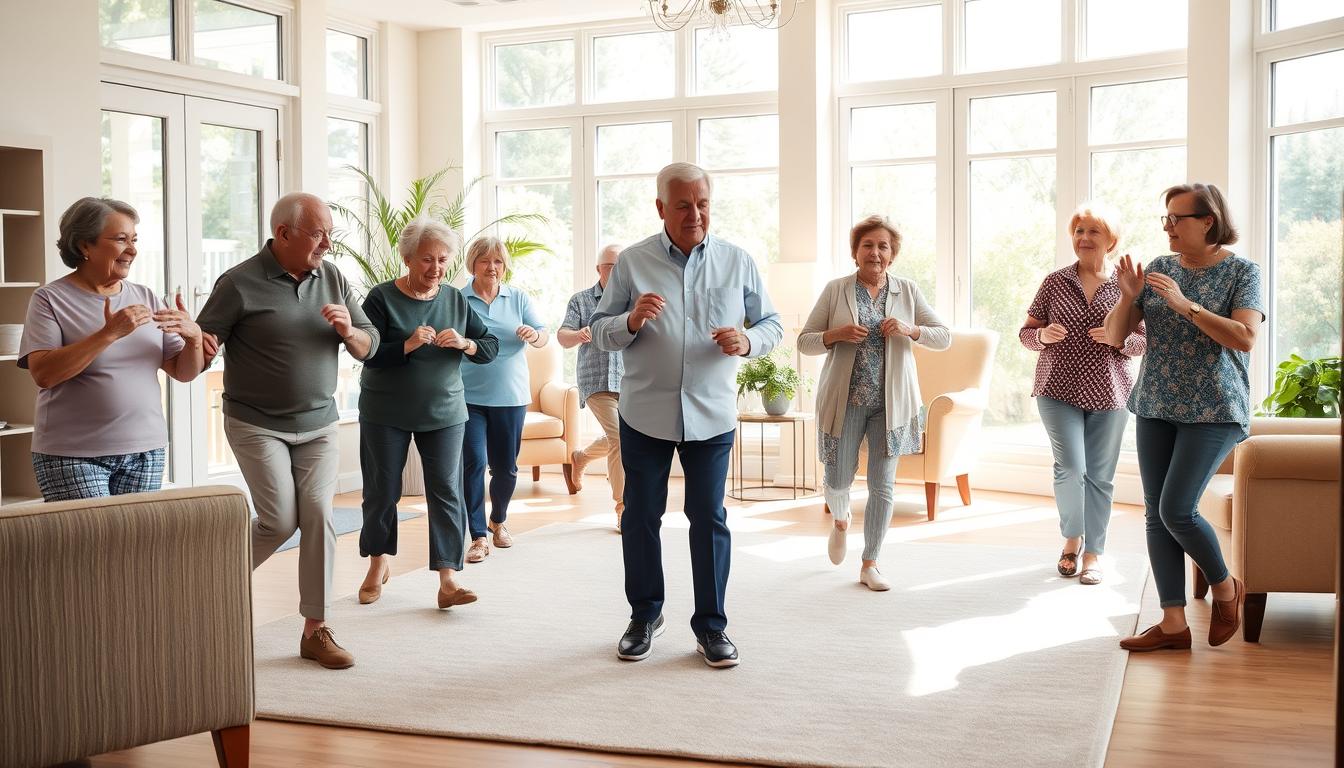
Walking poles are adjustable support devices that seniors use in pairs to improve stability, reduce joint stress, and maintain independence during daily walks and activities. These mobility aids differ significantly from walking canes by distributing weight across four points (two poles, two feet) instead of three, offering superior balance control.
Benefits of Walking Poles for Seniors
Walking poles deliver measurable health improvements:
- Enhanced Balance: Two poles create a stable base that prevents falls on uneven surfaces
- Joint Protection: Reduces impact on knees, hips, and back by 20-46%
- Core Engagement: Activates abdominal and back muscles with each step
- Increased Calorie Burn: Burns 20-46% more calories than walking without poles
- Improved Posture: Keeps spine aligned and shoulders back
- Greater Confidence: Allows seniors to walk farther distances with less fatigue
- Pain Reduction: Offloads pressure from arthritic joints
Walking Poles vs. Canes vs. Standard Trekking Poles
Walking Poles vs. Canes:
- Poles provide bilateral support; canes offer single-point contact
- Poles promote upright posture; canes can create asymmetrical lean
- Poles engage upper body; canes primarily support one side
- Poles work better for balance issues; canes suit mild mobility needs
Specialized Walking Poles vs. Trekking Poles:
- Walking poles feature bell-shaped tips for stability; trekking poles use pointed tips for traction
- Walking poles often come strapless for safety; trekking poles use wrist straps
- Walking poles have ergonomic grips for rehabilitation; trekking poles optimize performance
- Walking poles cost $110-$155; standard trekking poles range $40-$75
Key Features to Consider When Choosing the Best Walking Poles for Seniors
Understanding essential features helps you select poles that match your specific mobility needs and physical capabilities.
Handle Design and Grip Comfort
The grip determines how comfortably you'll use poles during extended walks.
CoreGrip Technology (Urban Poling): Strapless ergonomic design with wide ledge that positions hands at optimal angle for core engagement and neutral wrist alignment.
Dual Thumb Position Grips (York Nordic): Patented design allows thumb placement on top (pinching position) or around side (grasping position), reducing CMC joint stress by 10x.
Cork Handles: Absorb moisture, mold to hand shape, stay cool in heat (found on budget options like TrailBuddy and Foxelli).
Foam Grips: Provide cushioning but retain more moisture than cork (Jetti weighted poles).
Strapless vs. Strapped:
- Strapless designs prevent wrist injuries during falls (safer for seniors with balance issues)
- Strapped designs transfer power more efficiently for fitness walking
Weight Capacity and Durability

Weight capacity directly impacts safety and longevity.
| Pole Model | Weight Per Pole | Max User Weight | Material |
|---|---|---|---|
| York Nordic Big & Tall | 200g/pole | 500 lbs | Double-tubed 7075 aluminum |
| Urban Poling ACTIVATOR2 | 328g/pole | 320 lbs | High-grade aluminum |
| Urban Poling ACTIVATOR | 328g/pole | 250 lbs | High-grade aluminum |
| York Nordic Motivator | 272g/pole | 230 lbs | 7075 aluminum |
| Urban Poling Series 300 | 316g/pole | 225 lbs | Aluminum |
| TrailBuddy | 275g/pole | ~200 lbs | 7075 aluminum |
| Foxelli Carbon Fiber | 215g/pole | ~180 lbs | Carbon fiber |
Aluminum vs. Carbon Fiber:
- Aluminum won't snap under lateral pressure; carbon fiber can break suddenly
- Aluminum costs less; carbon fiber reduces weight
- Aluminum can bend and be repaired; carbon fiber fails completely
- Seniors with balance issues should choose aluminum for reliability
Adjustability and Height Range
Proper pole length equals your height × 0.68 (approximately elbow height when standing upright).
Lock Mechanisms Compared:
Flip Locks (Easiest): One-handed operation, arthritis-friendly, quick adjustments, most secure under pressure.
Push Button Locks (Strongest): Require more hand strength, very secure, best for heavy-duty poles like York Nordic Big & Tall.
Twist Locks (Hardest): Need two hands and grip strength, difficult for arthritis sufferers, found on Series 300.
Height Ranges Available:
- 4'2" to 6'0": Standard ACTIVATOR, ACTIVATOR MODA
- 4'2" to 6'4": ACTIVATOR2
- 4'0" to 7'0": York Nordic Big & Tall (widest range)
- 5'3" to 5'7": York Nordic Swift Connect (most limited)
Weight and Portability
Pole weight affects fatigue during extended use.
Lightest Options (Best for Frail Seniors):
- Foxelli Carbon Fiber: 7.6 oz per pole
- Hiker Hunger Carbon: 7.6 oz per pole
- York Nordic Motivator: 9.6 oz per pole
- Foxelli Aluminum: 9.4 oz per pole
Standard Weight (Balanced Strength/Weight):
- Urban Poling ACTIVATOR: 11.5 oz per pole
- TrailBuddy: 9.7 oz per pole
Heaviest Options (Maximum Stability):
- York Nordic Big & Tall: 2.56 lbs per pair
- Jetti Weighted: 1.2 lbs per pole (intentionally weighted)
Collapsed Lengths:
- Most compact: York Nordic Swift Connect (13.5")
- Standard 3-section: ACTIVATOR2 (25")
- Standard 2-section: ACTIVATOR, MODA, Series 300 (29")
- Disassembled: TrailBuddy (21"), Foxelli (24")
Tip Design and Terrain Versatility
Tips determine stability and surface compatibility.
Bell-Shaped Tips (Rehabilitation Poles): Wide rubber base provides maximum stability on flat surfaces, prevents poles from sliding, ideal for balance issues.
Pointed Carbide Tips (Under Rubber Boots): Sharp metal tips for trails, snow, sand, and uneven terrain, found on all models.
Round Rubber Tips (York Nordic): More stable than pointed tips, better proprioception feedback.
Included Accessories by Model:
- ACTIVATOR: Bell tips, carbide tips, rubber boots, Velcro strap
- ACTIVATOR2: Bell tips, carbide tips, rubber boots, trekking baskets, Velcro strap
- ACTIVATOR MODA: Bell tips, carbide tips, rubber boots, snow baskets, trekking baskets
- York Nordic models: Rubber feet, snow baskets, travel bag
- Budget poles: Rubber boots, mud baskets, snow baskets
Understanding Walking Pole Price Points: Why Some Cost More
Walking poles range from $40 to $155 based on engineering, materials, and intended medical applications.
Premium Rehabilitation Poles ($120-$155)
These poles cost more because occupational therapists and gerontologists design them specifically for medical conditions.
What Justifies the Premium Price:
Medical Professional Design: Urban Poling poles were created by occupational therapists who studied gait, balance, and rehabilitation needs. This expertise translates to features like CoreGrip handles that position wrists neutrally and engage core muscles—benefits absent in standard trekking poles.
Arthritis Foundation Certification: ACTIVATOR models underwent testing and certification by the Arthritis Foundation's Ease of Use program. This validation requires meeting strict criteria for pain reduction and usability for those with joint conditions.

Patented Grip Technology: Both CoreGrip (Urban Poling) and dual thumb position grips (York Nordic) are patented innovations. These designs reduce thumb joint stress by up to 10x compared to standard grips.
Higher Weight Capacities: Premium poles support 200-500 lbs per pole versus 150-180 lbs for budget options. This requires reinforced construction and superior materials.
Strapless Safety Design: Straps can cause wrist injuries during falls. Rehabilitation poles use strapless grips that release immediately if you stumble—a safety feature worth the investment for fall-risk seniors.
Bell-Shaped Stability Tips: These wide rubber bases provide 3x more surface contact than pointed tips, dramatically improving balance. Manufacturing these specialized tips adds cost but delivers measurable stability gains.
Proven Clinical Outcomes: Studies show these poles improve gait in Parkinson's patients, reduce fall risk in stroke survivors, and decrease pain in arthritis sufferers. Budget poles lack this clinical validation.
Mid-Range Fitness & Light Hiking Poles ($60-$110)
These poles balance quality and affordability for active seniors without major medical needs.
What You Get at This Price Point:
- Quality 7075 aluminum or carbon fiber construction
- Standard comfort features (cork grips, padded straps)
- Reliable flip-lock mechanisms
- Adequate weight capacity for most seniors
- Good warranties from established brands
What You Don't Get:
- Medical-grade grip designs
- Arthritis certification
- Strapless safety features
- Bell-shaped stability tips
- Rehabilitation-specific engineering
Budget-Friendly Trekking Poles ($40-$60)
Budget poles deliver basic stability support using standard hiking pole designs.
Why They Cost Less:
- Standard trekking pole engineering (not rehabilitation-specific)
- Mass production reduces per-unit costs
- Basic grip designs without patented ergonomics
- Lower weight capacities reflect lighter construction
- Fewer included accessories
- Pointed tips instead of stability-focused designs
When Budget Poles Work Well:
- Active seniors with good balance
- Occasional use for fitness walks
- Trial period before investing in premium poles
- Hiking focus rather than rehabilitation
When Premium Poles Are Worth It:
- Diagnosed balance disorders
- Arthritis or joint pain
- Post-surgery recovery
- Fall risk factors
- Parkinson's, MS, or stroke
- Daily long-term use
Premium poles cost 2-3x more but deliver specialized features that can prevent falls, reduce pain, and enable independent mobility—benefits that justify the investment for seniors with medical needs.
Best Walking Poles for Seniors: Comprehensive Rankings
We evaluated 14 walking pole models based on senior-specific criteria: stability features, grip ergonomics, weight capacity, ease of adjustment, medical certifications, customer feedback, and value for price point. Premium rehabilitation poles ($110+) are ranked higher due to their specialized medical-grade features essential for senior safety and mobility.
1. Urban Poling ACTIVATOR® – Best Overall Walking Poles for Seniors
Price: $124.99-$133.32
The Urban Poling ACTIVATOR earns top ranking because occupational therapists designed every feature specifically for senior rehabilitation and balance support, backed by Arthritis Foundation certification.
Key Features:
- CoreGrip Handles: Strapless ergonomic design with wide ledge positions wrists neutrally
- Bell-Shaped Tips: Maximum stability base prevents slipping
- Weight Capacity: 200 lbs per pole (250 lb user weight)
- Height Range: 4'2" to 6'0" (127-182 cm)
- Weight: 1.44 lbs per pair
- Construction: High-grade aluminum, 2-section collapsible
- Lock System: Push button securing internal twist system
- Collapsed Length: 29 inches
- Included: Bell tips, carbide metal tips, rubber boots, Velcro strap
- Colors: Silver/Red, Evening Black
- Rating: 4.6/5 stars (1,167+ reviews combined)
Pros:
- ✓ Designed by occupational therapists for rehabilitation
- ✓ Arthritis Foundation Ease of Use Certified
- ✓ Strapless design prevents wrist injuries during falls
- ✓ Burns 20-46% more calories through core engagement
- ✓ Bell-shaped tips provide superior stability on all surfaces
- ✓ Supports neutral wrist position reducing strain
- ✓ Better stability than canes according to customers
- ✓ Helps with sciatica and leg pain during walks
- ✓ Excellent for Nordic walking technique
Cons:
- ✗ Premium price point ($125-$133)
- ✗ Height limit at 6'0" excludes taller seniors
- ✗ Heavier than carbon fiber alternatives
- ✗ Two-section design less compact than three-section models
Best For: Seniors with balance issues, arthritis, post-surgery recovery, Parkinson's disease, MS, stroke recovery, or anyone prioritizing stability over lightweight performance.
Why It Ranks #1: The ACTIVATOR combines medical-grade engineering with proven rehabilitation outcomes. Its CoreGrip technology actively engages core muscles—a feature absent in standard poles. The strapless design prioritizes safety for fall-risk seniors, while bell-shaped tips deliver unmatched stability. Arthritis Foundation certification validates its effectiveness for painful joints. Customer reviews consistently praise its superiority over canes and standard walking aids. Though expensive, the ACTIVATOR justifies its cost through specialized features that directly address senior mobility challenges. The medical-grade design, clinical validation, and safety features make it the clear top choice for seniors with any balance or mobility concerns.
2. York Nordic Motivator – Best Arthritis-Friendly Walking Poles
Price: $124.99
The York Nordic Motivator ranks second for its revolutionary dual thumb position grip that reduces thumb joint stress by 10x—a game-changer for arthritis sufferers.
Key Features:
- Patented Dual Thumb Grip: Two contoured positions (pinching on top, grasping on side)
- CMC Joint Protection: 10x stress reduction at thumb carpometacarpal joint
- Weight Capacity: 230 lbs total
- Height Range: 4'6" to 6'2" (adjustable via flip locks)
- Weight: 9.6 oz per pole (19.2 oz per pair)
- Construction: Aircraft-grade 7075 aluminum
- Lock System: Flip locks (one-handed operation)
- Extended Length: 54 inches
- Included: 2 poles, rubber feet, travel bag, snow baskets
- Tip Design: Round rubber tips (more stable than pointed)
- Rating: 4.6/5 stars (209 reviews)
Pros:
- ✓ Revolutionary grip reduces arthritis pain significantly
- ✓ Two grip positions accommodate different terrains and comfort needs
- ✓ Round rubber tips provide better proprioception than pointed tips
- ✓ Preferred by physical therapists for rehabilitation
- ✓ Flip locks easier than twist locks for arthritic hands
- ✓ Lighter weight than Urban Poling options (9.6 oz vs 11.5 oz per pole)
- ✓ Strong base provides excellent stability
- ✓ Easy height adjustment
- ✓ Includes travel bag and snow baskets
Cons:
- ✗ Strapped design (less safe than strapless for fall risk)
- ✗ Shorter height range than some competitors
- ✗ Not Arthritis Foundation certified (though arthritis-focused)
- ✗ Mixed feedback on strap comfort
- ✗ Limited to 230 lbs vs 250+ on premium models
Best For: Seniors with arthritis, carpal tunnel syndrome, hand pain, wrist issues, or anyone requiring reduced grip stress. Also excellent for post-hip/knee replacement rehabilitation.
Why It Ranks #2: The patented dual thumb grip is genuinely innovative, offering measurable stress reduction for arthritic hands. Physical therapists recommend these poles specifically for joint protection. The lightweight construction (nearly half the weight of ACTIVATOR) reduces arm fatigue during extended use. Flip locks operate easily with one hand—crucial for limited dexterity. Round rubber tips deliver better stability feedback than pointed alternatives. However, the strapped design poses fall risks that drop it below the strapless ACTIVATOR for seniors with balance issues. The lack of Arthritis Foundation certification, despite arthritis-focused design, also factors into the ranking. For seniors whose primary concern is arthritis pain rather than fall prevention, this could be the top choice.
3. Urban Poling ACTIVATOR2® – Best for Taller Seniors
Price: $154.99
The ACTIVATOR2 ranks third as the premium choice for taller or heavier seniors who need extended height ranges and superior weight capacity.
Key Features:
- Extended Height Range: 4'2" to 6'4" (127-193 cm)
- Maximum User Weight: 320 lbs
- Weight Capacity: 225 lbs per pole
- Construction: High-grade aluminum, 3-section collapsible
- Weight: 1.44 lbs per pair
- Lock System: Dual security (flip lock + push button)
- Collapsed Length: 25 inches (20% shorter than 2-section models)
- CoreGrip Technology: Same ergonomic handles as ACTIVATOR
- Bell-Shaped Tips: Maximum stability base
- Included: Bell tips, carbide tips, rubber boots, trekking baskets, Velcro strap
- Colors: Dark Gray/Cyan
- Rating: 4.7/5 stars (209 reviews)
Pros:
- ✓ Accommodates seniors up to 6'4" (tallest in ACTIVATOR line)
- ✓ Highest weight capacity in Urban Poling line (320 lbs user weight)
- ✓ 25 lbs more per-pole capacity than standard ACTIVATOR
- ✓ 20% more compact when collapsed (25" vs 29")
- ✓ Same proven CoreGrip and bell-tip technology
- ✓ Includes trekking baskets for varied terrain
- ✓ Dual lock system provides extra security
- ✓ Excellent quality construction
- ✓ Helped customers through demanding travel situations
- ✓ Effective for post-surgery recovery
Cons:
- ✗ Highest price point reviewed ($155)
- ✗ Three-section design creates more adjustment points
- ✗ Slightly more complex setup than 2-section models
- ✗ Flip lock can be stiffer than push-button-only systems
- ✗ Limited color options
Best For: Seniors 6'0" to 6'4" tall, heavier users (250-320 lbs), frequent travelers needing compact storage, or those requiring maximum weight capacity for safety.
Why It Ranks #3: The ACTIVATOR2 extends the proven ACTIVATOR design to accommodate taller and heavier seniors—a population underserved by most walking poles. Its 320 lb user weight capacity and 225 lb per-pole rating provide substantial safety margins. The 3-section design collapses to 25 inches, making it ideal for luggage and car storage. However, the $155 price point represents a significant premium over the standard ACTIVATOR ($125), and most seniors under 6'0" don't need the extended range. The additional adjustment section adds complexity that some users find finicky. These factors, combined with fewer reviews than the original ACTIVATOR, place it third despite superior specifications. For the specific population it serves (tall/heavy seniors), this is the best option available.
4. Urban Poling ACTIVATOR® MODA – Best Stylish Walking Poles
Price: $134.99
ACTIVATOR MODA ranks fourth for combining fashion-forward design with proven rehabilitation features, appealing to style-conscious seniors.
Key Features:
- Design: Multi-color (Silver with Blue, Green, Yellow graphics)
- CoreGrip Technology: Same ergonomic handles as standard ACTIVATOR
- Weight Capacity: 250 lbs user weight
- Height Range: 4'2" to 6'0" (127-182 cm)
- Weight: 1.57 lbs per pair (slightly heavier than standard ACTIVATOR)
- Construction: High-grade aluminum, 2-section collapsible
- Lock System: Push button
- Collapsed Length: 29 inches
- Included: Bell tips, carbide tips, rubber boots, snow baskets, trekking baskets, Velcro strap
- Certification: Arthritis Foundation Ease of Use Certified
- Rating: 4.5/5 stars (122 reviews)
Pros:
- ✓ Most visually appealing rehabilitation pole
- ✓ Same proven CoreGrip and bell-tip technology
- ✓ Includes both snow and trekking baskets (more than standard ACTIVATOR)
- ✓ Arthritis Foundation certified
- ✓ Good weight capacity (250 lbs)
- ✓ Strapless safety design
- ✓ Excellent stability according to customers
- ✓ Beautiful, artistic design
- ✓ Perfect for sidewalk walking and urban use
- ✓ Gripper tips work well on various surfaces
Cons:
- ✗ $10 premium over standard ACTIVATOR for aesthetics
- ✗ Slightly heavier than standard ACTIVATOR (1.57 vs 1.44 lbs)
- ✗ Height limit at 6'0"
- ✗ Fewer reviews than flagship models
- ✗ Style preference is subjective
- ✗ No functional advantage over standard ACTIVATOR
Best For: Fashion-conscious seniors who want poles that don't look medical, active walkers who appreciate aesthetics, those who use poles for multiple activities (sidewalks, trails, snow).
Why It Ranks #4: MODA delivers identical rehabilitation features to the top-ranked ACTIVATOR while adding vibrant styling and extra accessories. The multi-color design makes these poles feel less medical and more recreational—important for seniors who resist mobility aids. Including both snow and trekking baskets adds value for varied activities. However, the $135 price represents a $10 premium purely for aesthetics, and the poles weigh slightly more than the standard ACTIVATOR. With fewer reviews and no functional advantages, MODA ranks below the original ACTIVATOR and specialized competitors. It's the right choice for seniors who want effective rehabilitation poles that also make a fashion statement, but the standard ACTIVATOR offers the same medical benefits at lower cost.
5. York Nordic Big and Tall Motivator – Best Heavy-Duty Option
Price: $149.99
York Nordic Big & Tall ranks fifth as the only option for seniors over 250 lbs or taller than 6'4", serving a crucial but limited audience.
Key Features:
- Weight Capacity: 500 lbs (industry-leading)
- Height Range: 4'0" to 7'0" (widest available)
- Construction: Double-tubed 7075 aircraft-grade aluminum
- Weight: 2.56 lbs per pair (heaviest reviewed)
- Lock System: Push button (super strong)
- Grip: Oversized patented contoured grip for larger hands
- Extended Length: 7 feet maximum
- Included: Rubber feet, travel bag, snow baskets
- Dual Thumb Positions: Same CMC joint protection as standard Motivator
- Rating: 4.8/5 stars (23 reviews)
Pros:
- ✓ Only poles supporting up to 500 lbs
- ✓ Widest height range (4'0" to 7'0")
- ✓ Oversized grips accommodate larger hands
- ✓ Double-tubed construction for maximum strength
- ✓ Same patented thumb position technology
- ✓ Super sturdy and well-built
- ✓ Addresses underserved large/tall senior market
- ✓ Push button locks very secure
- ✓ Preferred by physical therapists
Cons:
- ✗ Heaviest poles reviewed (2.56 lbs causes arm fatigue)
- ✗ Premium price ($150)
- ✗ Limited reviews (23 vs thousands for competitors)
- ✗ Push buttons require more hand strength than flip locks
- ✗ Weight makes them tiring for frail seniors
- ✗ Only one color option (Just Black)
- ✗ May be overkill for seniors under 250 lbs
Best For: Seniors over 250 lbs, individuals 6'4" to 7'0" tall, bariatric patients, those with larger hands, anyone requiring maximum weight support.
Why It Ranks #5: These poles serve a critical niche—larger seniors who cannot safely use standard poles. The 500 lb capacity and 7-foot height are unmatched. Double-tubed construction ensures they won't fail under heavy loads. However, the 2.56 lb weight causes arm fatigue during extended use. The $150 price reflects specialized engineering for a limited market. With only 23 reviews, real-world validation is minimal compared to thousands of reviews for other options. Most seniors don't need this capacity and will find lighter poles more comfortable. For the specific population over 250 lbs or 6'4", this is the only viable option, justifying the fifth-place ranking. For typical-sized seniors, higher-ranked lighter poles offer better usability.
6. Urban Poling Series 300 – Best Fitness-Focused Poles
Price: $109.99
Series 300 ranks sixth as Urban Poling's entry-level fitness model, offering CoreGrip technology at a lower price point with fewer features.
Key Features:
- CoreGrip Handles: Same ergonomic technology as ACTIVATOR series
- Weight Capacity: 225 lbs maximum user weight
- Height Range: 4'2" to 6'2" (127-187 cm)
- Weight: 1.39 lbs per pair
- Construction: Aluminum, 2-section collapsible
- Lock System: Twist locks (requires two hands)
- Collapsed Length: 29 inches
- Focus: Fitness walking (20-46% more calorie burn)
- Included: Carbide tips, rubber boots, anti-vibration features, clip for storage
- Colors: Silver, Blue, and Orange
- Rating: 4.7/5 stars (133 reviews)
Pros:
- ✓ CoreGrip technology at lower price than ACTIVATOR ($110 vs $125)
- ✓ Anti-vibration features reduce impact
- ✓ Designed specifically for fitness and calorie burn
- ✓ Taller height range than ACTIVATOR (up to 6'2")
- ✓ Lighter than ACTIVATOR (1.39 vs 1.44 lbs)
- ✓ Effective for upper arm exercise
- ✓ Helps distribute weight load
- ✓ Allows walking farther without stopping
- ✓ Proven Urban Poling quality
Cons:
- ✗ Twist locks difficult for arthritic hands
- ✗ Requires two hands to adjust
- ✗ Strapped design (less safe than strapless)
- ✗ Not designed specifically for rehabilitation
- ✗ Lower weight capacity than ACTIVATOR models (225 vs 250+ lbs)
- ✗ No Arthritis Foundation certification
- ✗ No bell-shaped tips (uses standard boots)
- ✗ Fewer included accessories
Best For: Active seniors focused on fitness rather than rehabilitation, those who want CoreGrip technology at lower cost, fitness walkers without balance issues.
Why It Ranks #6: Series 300 offers genuine CoreGrip ergonomics at the lowest price point in Urban Poling's line. For fitness-focused seniors without medical conditions, it delivers core engagement and calorie burn benefits. The anti-vibration technology adds comfort. However, twist locks present significant usability issues for seniors with arthritis or limited grip strength—a major drawback compared to flip-lock or push-button systems. The strapped design and lack of rehabilitation features make it less suitable than the ACTIVATOR for balance-impaired seniors. At $110, it costs nearly as much as the superior ACTIVATOR ($125) while offering fewer safety features. The narrow $15 price difference makes the rehabilitation-certified ACTIVATOR the better investment for most seniors. Series 300 ranks sixth because budget trekking poles costing $50-60 offer similar features without the twist-lock limitation, while spending just $15 more gets you the full ACTIVATOR with medical-grade features.
7. York Nordic Motivator Swift Connect – Best for Compact Travel
Price: $119.99
York Nordic Swift Connect ranks seventh as the most travel-friendly option, limited by its narrow height range.
Key Features:
- Folded Size: 13.5 inches (most compact available)
- Swift Connect System: Push-button mechanism for fast assembly
- Height Range: 5'3" to 5'7" ONLY (extremely limited)
- Weight: 1.6 lbs per pair
- Construction: 7075 aircraft-grade aluminum
- Lock System: Flip locks
- Grip: Patented dual thumb position design
- Extended Length: 53 inches maximum
- Included: 2 poles, rubber feet, travel bag, snow baskets
- Rating: 4.2/5 stars (16 reviews – lowest rated)
Pros:
- ✓ Folds to 13.5" (fits anywhere)
- ✓ Swift Connect system assembles quickly
- ✓ TSA-friendly for air travel
- ✓ Same patented grip as regular Motivator
- ✓ Dual thumb positions reduce hand stress
- ✓ Includes travel bag
- ✓ Effective for balance improvement
- ✓ Easy to collapse and store
- ✓ Preferred by physical therapists (York Nordic line)
Cons:
- ✗ Extremely limited height range (5'3" to 5'7" only)
- ✗ Excludes most seniors outside this narrow range
- ✗ Lowest customer rating reviewed (4.2/5)
- ✗ Minimal reviews (only 16)
- ✗ Mixed feedback on strap quality
- ✗ Premium price ($120) for limited functionality
- ✗ Swift Connect adds complexity
- ✗ Sections can be finicky to attach
Best For: Frequent-traveling seniors between 5'3"-5'7" who prioritize compact size above all else.
Why It Ranks #7: Swift Connect's 13.5" folded length is genuinely impressive—ideal for carry-on luggage. However, the 5'3" to 5'7" height restriction disqualifies the majority of potential users. A 6'0" senior cannot use these poles regardless of their travel needs. The $120 price seems high for such limited adjustability. With only 16 reviews and a 4.2 rating (lowest reviewed), market acceptance is weak. The Swift Connect mechanism adds assembly steps that some find frustrating. For the narrow population within the height range who travels constantly, this might rank higher. For most seniors, the ACTIVATOR2's 25" collapsed length provides adequate portability while accommodating nearly all heights. The extreme specialization and limited market place Swift Connect at seventh despite its innovative compactness. Budget poles that fold to 21-24" offer more versatility at half the cost.
8. TrailBuddy Trekking Poles – Best Budget Walking Poles
Price: ~$55.99 (frequently discounted)
TrailBuddy ranks eighth as the best budget option, delivering remarkable value through proven trekking pole design without specialized rehabilitation features.
Key Features:
- Construction: Elite 7075 aircraft-grade aluminum
- Weight: 9.7 oz per pole (1.2 lbs per pair)
- Height Range: 24.5" to 54" extended
- Lock System: Lever locks (one-handed operation)
- Collapsed Length: 24.5" (21" when disassembled)
- Handle: Moisture-wicking cork with padded straps
- Weight Capacity: ~200 lbs estimated
- Included: Rubber boots, mud baskets, snow baskets, carrying bag
- Colors: 8 vibrant options (Red Beetle, Aqua Blue, Berry Pink, Raven Black, etc.)
- Rating: 4.7/5 stars (63,025+ reviews – #1 Best Seller)
- TSA-Friendly: Fits carry-on when disassembled
Pros:
- ✓ Outstanding value (often under $50 on sale)
- ✓ Stronger 7075 aluminum than standard trekking poles
- ✓ Lever locks operate with one hand (arthritis-friendly)
- ✓ Won't snap under pressure like carbon fiber
- ✓ Cork handles mold to hand shape and wick moisture
- ✓ Threaded tip covers keep accessories secure
- ✓ 63,000+ reviews validate reliability
- ✓ Eight color choices
- ✓ Suitable for kids (7+) through seniors (multi-generational)
- ✓ Lightweight reduces arm fatigue
- ✓ TSA-friendly for air travel
- ✓ Customers report prevented falls and excellent stability
Cons:
- ✗ Not designed specifically for rehabilitation
- ✗ Strapped design instead of safer strapless
- ✗ Pointed tips instead of bell-shaped stability tips
- ✗ Lower weight capacity than medical-grade poles
- ✗ No CoreGrip or specialized ergonomics
- ✗ No Arthritis Foundation certification
- ✗ Requires two hands to adjust straps initially
Best For: Active seniors with good balance, budget-conscious buyers, those testing whether poles help before investing in premium options, hiking enthusiasts, multi-generational families.
Why It Ranks #8: TrailBuddy delivers exceptional value by applying quality trekking pole engineering at a budget price. The 7075 aluminum construction matches premium poles, while lever locks provide easy one-handed adjustment. With 63,025 reviews averaging 4.7 stars, it's the most validated option available. Customers consistently praise its stability, durability, and fall prevention. However, it lacks rehabilitation-specific features like strapless grips, bell-shaped tips, and ergonomic handles designed for arthritis—features that justify premium pole costs for seniors with medical needs. For active seniors without balance issues, TrailBuddy offers unbeatable value. For those with Parkinson's, arthritis, or fall risk, the specialized features of top-ranked poles justify the 2x cost difference. TrailBuddy ranks eighth because while it's the best budget option, the medical-grade features of premium poles ($110-$155) deliver significantly better safety and therapeutic benefits for typical senior mobility needs.
9. Jetti Weighted Walking Sticks – Best for Strength Training
Price: $69.95
Jetti Weighted ranks ninth as a unique strength-building tool that sacrifices adjustability for intentional weight resistance.
Key Features:
- Weight: 1.2 lbs per pole (intentionally weighted)
- Total Weight: 2.2 lbs per pair
- Construction: PVC with rubber base
- Length: Fixed (non-adjustable)
- Maximum Height: 74 inches total length
- Handle: Ergonomic foam grips
- Lock Type: N/A (fixed length)
- Included: Carrying case
- Focus: Upper body strength training while walking
- Rating: 4.5/5 stars (401 reviews)
Pros:
- ✓ Unique weighted design builds shoulder muscles
- ✓ Helps with posture correction
- ✓ Effective for balance and vertigo issues
- ✓ Full-body workout engagement
- ✓ Lower price than rehabilitation poles ($70)
- ✓ Sturdy construction
- ✓ Perfect for both indoor and outdoor use
- ✓ Gentle weight builds strength gradually
- ✓ Includes carrying case
- ✓ Works well for exercise routines
Cons:
- ✗ Fixed length (cannot adjust) – major limitation
- ✗ Too short for many seniors (max 74" total)
- ✗ PVC construction less durable than aluminum
- ✗ Heavier weight tires arm muscles
- ✗ Mixed reviews on height suitability
- ✗ Not designed for maximum stability
- ✗ No carbide tips for trails
- ✗ Cannot customize to terrain
- ✗ Less versatile than adjustable poles
Best For: Seniors focused on upper body strengthening, those within the fixed height range, fitness walkers prioritizing muscle building over adjustability, indoor walking routines.
Why It Ranks #9: Jetti Weighted offers a genuinely different approach—using resistance to build strength. For seniors with vertigo or balance issues who fit the fixed height, the weighted design provides proprioceptive feedback. The $70 price is reasonable for this specialized tool. However, the non-adjustable length is a critical flaw. Many reviews complain about inadequate height, and you cannot adapt length for hills or changing terrain. PVC construction won't outlast aluminum. The intentional weight, while beneficial for strength training, causes fatigue during long walks when stability might be the primary need. This is a niche fitness tool rather than a primary mobility aid. For seniors who need adjustable rehabilitation poles, all higher-ranked options deliver better versatility and safety. Jetti works for its specific strength-training purpose but fails as a general-use walking pole for seniors with varied needs. It ranks ninth because the fixed-length limitation and lack of medical-grade features make it unsuitable for most seniors requiring mobility support.
10. Foxelli Carbon Fiber Trekking Poles – Best Lightweight Budget Option
Price: $59.97
Foxelli Carbon Fiber ranks tenth as the lightest budget option that balances weight reduction with adequate durability for active seniors.
Key Features:
- Construction: 100% carbon fiber
- Weight: 7.6 oz per pole (15.2 oz per pair – lightest reviewed)
- Height Range: 24" to 54" adjustable
- Lock System: Lever locks (flip locks)
- Collapsed Length: 27.5" (does not disassemble further)
- Handle: Natural cork grips with extended EVA foam sleeve
- Wrist Straps: Padded adjustable straps
- Weight Capacity: ~180 lbs estimated (lower due to carbon fiber)
- Included: Rubber boots, mud baskets, snow baskets, carrying case, tungsten carbide tips
- Rating: 4.7/5 stars (8,334 reviews)
Pros:
- ✓ Lightest poles reviewed (7.6 oz each)
- ✓ Shock absorption reduces joint impact
- ✓ Excellent value for carbon fiber ($60 vs $75+ elsewhere)
- ✓ Cork grips stay comfortable when wet
- ✓ Extended EVA foam for switchbacks
- ✓ Padded straps prevent chafing
- ✓ 8,334+ reviews validate quality
- ✓ Easy lever lock operation
- ✓ Customers report fall prevention
- ✓ Reduces arm fatigue significantly
Cons:
- ✗ Carbon fiber can snap under lateral pressure
- ✗ Not designed for rehabilitation or balance issues
- ✗ Strapped design (fall risk)
- ✗ Lower weight capacity than aluminum (~180 lbs)
- ✗ Pointed tips instead of bell-shaped stability tips
- ✗ No medical certifications
- ✗ Some durability concerns in reviews
- ✗ Cannot be repaired if broken (unlike aluminum)
Best For: Lightweight, active seniors without balance issues, hikers prioritizing weight reduction, those with arm fatigue from heavier poles, seniors under 180 lbs.
Why It Ranks #10: Foxelli Carbon Fiber excels in its specific niche—ultralight trekking for active seniors. At 7.6 oz per pole, it reduces arm fatigue dramatically compared to 11+ oz aluminum options. The $60 price point makes carbon fiber accessible. Shock absorption benefits arthritic joints. However, carbon fiber's lateral fragility makes it unsuitable for balance-impaired seniors who might lean heavily on poles or catch them on obstacles. The lack of rehabilitation-specific features (strapless grips, bell tips, ergonomic handles) limits its effectiveness for medical needs. For active hikers without stability concerns, this provides good value. For typical senior mobility needs, rehabilitation-focused aluminum poles deliver better safety and stability despite added weight. Foxelli Carbon ranks tenth because while it offers the lightest weight and good value, most seniors requiring walking poles need the medical-grade features and higher weight capacities of premium rehabilitation poles ranked 1-7.
11. Hiker Hunger 100% Carbon Fiber Trekking Poles
Price: $74.97 (list price)
Hiker Hunger ranks eleventh as a premium carbon fiber option with USA-based support but mixed durability feedback.
Key Features:
- Construction: 3K 100% carbon fiber
- Weight: 7.6 oz per pole
- Height Range: 24" to 55" adjustable
- Lock System: Flip lock levers with metal locks (vs plastic)
- Collapsed Length: 24 inches
- Handle: Cork grips with EVA foam extension
- Wrist Straps: Neoprene padded (anti-chafing)
- Weight Capacity: ~180 lbs estimated
- Included: Mud baskets, rubber feet, snow baskets
- Warranty: 3-year warranty
- Rating: 4.7/5 stars (3,110 reviews)
- Made By: USA brand (since 2015)
Pros:
- ✓ Premium 3K carbon fiber weave
- ✓ Metal flip locks stronger than plastic alternatives
- ✓ USA-based company with phone support
- ✓ 3-year warranty (longer than most)
- ✓ More secure than twist locks
- ✓ Neoprene straps prevent wrist chafing
- ✓ Comfortable in sweat or rain
- ✓ Easy to adjust for tent pitching
- ✓ Works well with snowshoes
- ✓ Established brand (9+ years)
Cons:
- ✗ Higher price than Foxelli carbon fiber ($75 vs $60)
- ✗ Carbon fiber can snap unexpectedly
- ✗ Mixed durability feedback (some report poles coming apart)
- ✗ Not rehabilitation-focused
- ✗ Lower weight capacity than aluminum
- ✗ Pointed tips instead of stability tips
- ✗ Cannot be repaired if broken
- ✗ Less suitable for balance issues
Best For: Active seniors wanting premium carbon fiber with USA support, hikers who value warranty backing, those who had positive experiences with budget carbon fiber and want to upgrade.
Why It Ranks #11: Hiker Hunger differentiates through USA-based service and extended warranty—valuable for seniors who want phone support. The 3K carbon fiber and metal locks justify the $75 price over $60 alternatives. However, durability concerns in reviews suggest inconsistent quality control. Carbon fiber's fundamental limitations (can't repair, lateral fragility, lower capacity) make it less suitable for senior mobility needs than aluminum. The $75 price point approaches rehabilitation poles ($110+) without offering their medical-grade features. For active hikers, this provides good value. For typical senior stability needs, aluminum poles ranked higher deliver better safety and reliability. The narrow advantage over similarly-priced Foxelli and significant disadvantages versus slightly pricier rehabilitation poles place it at eleventh. At $75, you're only $35 away from the Series 300 ($110) with CoreGrip technology, making Hiker Hunger a poor value proposition for seniors with mobility concerns.
12. Foxelli Aluminum Trekking Poles – Best Ultra-Budget Option
Price: ~$42.97 (list price, often discounted)
Foxelli Aluminum ranks twelfth as the most affordable reliable option, suitable for seniors testing whether poles help.
Key Features:
- Construction: Aircraft-grade 7075 aluminum
- Weight: 9.4 oz per pole (18.8 oz per pair)
- Height Range: 24" to 54" adjustable
- Lock System: Flip locks (one-handed)
- Collapsed Length: 24 inches (21" when disassembled)
- Handle: Cork grips with extended EVA sleeve
- Wrist Straps: Plush adjustable straps
- Weight Capacity: ~180 lbs estimated
- Included: Rubber boots, mud baskets, snow baskets, carrying case
- Rating: 4.8/5 stars (4,706 reviews)
Pros:
- ✓ Lowest price option (~$43)
- ✓ Very lightweight (9.4 oz per pole)
- ✓ One-handed flip lock operation
- ✓ High ratings (4.8/5 stars)
- ✓ Anti-slip cork grips
- ✓ Sturdy once locked
- ✓ Excellent value for money
- ✓ Comfortable hand holds
- ✓ Works well on rocky trails
- ✓ Holds full weight with no issues
- ✓ All-season accessories included
Cons:
- ✗ Lowest weight capacity reviewed
- ✗ Not designed for rehabilitation
- ✗ Basic feature set
- ✗ Pointed tips only
- ✗ No medical certifications
- ✗ Fewer accessories than premium options
- ✗ Less durable construction than premium aluminum
- ✗ May not last as long under heavy daily use
Best For: Extremely budget-conscious seniors, those testing poles before investing more, occasional users, lightweight active seniors under 180 lbs, backup poles.
Why It Ranks #12: At $43, Foxelli Aluminum provides the absolute lowest entry point for quality walking poles. The 7075 aluminum construction and flip locks match features found on poles costing 2-3x more. With 4,706 reviews averaging 4.8 stars, quality is validated. However, the rock-bottom price reflects basic construction suitable for occasional use rather than daily rehabilitation. Weight capacity appears lower than heavier-duty aluminum poles. Lacks all medical-grade features (CoreGrip, bell tips, strapless design). For seniors serious about using poles daily for balance or medical conditions, the $80+ investment in rehabilitation poles makes sense. For those testing the waters or needing backup poles, Foxelli Aluminum delivers adequate functionality at minimal cost. It ranks twelfth because while the price is attractive, the lack of any medical-grade features makes it the least suitable option for seniors with mobility concerns—the primary audience for walking poles.
Comparison Table: Top Walking Poles for Seniors
| Rank | Model | Price | Weight/Pole | Height Range | Weight Capacity | Best For | Key Feature |
|---|---|---|---|---|---|---|---|
| 1 | Urban Poling ACTIVATOR | $125-$133 | 11.5 oz | 4'2"-6'0" | 200 lbs/pole | Balance/rehab | CoreGrip + Bell tips |
| 2 | York Nordic Motivator | $125 | 9.6 oz | 4'6"-6'2" | 230 lbs total | Arthritis | Dual thumb positions |
| 3 | Urban Poling ACTIVATOR2 | $155 | 11.5 oz | 4'2"-6'4" | 225 lbs/pole | Tall/heavy users | Extended capacity |
| 4 | Urban Poling MODA | $135 | 12.6 oz | 4'2"-6'0" | 250 lbs user | Style-conscious | Beautiful design |
| 5 | York Nordic Big & Tall | $150 | 20.5 oz | 4'0"-7'0" | 500 lbs total | Large/tall seniors | Maximum capacity |
| 6 | Urban Poling Series 300 | $110 | 11.2 oz | 4'2"-6'2" | 225 lbs | Fitness focus | CoreGrip value |
| 7 | York Nordic Swift | $120 | 12.8 oz | 5'3"-5'7" | 230 lbs | Compact travel | Folds to 13.5" |
| 8 | TrailBuddy | $56 | 9.7 oz | 24.5"-54" | ~200 lbs | Budget choice | Best value |
| 9 | Jetti Weighted | $70 | 19.2 oz | Fixed 74" | N/A | Strength training | Weighted design |
| 10 | Foxelli Carbon Fiber | $60 | 7.6 oz | 24"-54" | ~180 lbs | Lightweight hiking | Ultralight |
| 11 | Hiker Hunger Carbon | $75 | 7.6 oz | 24"-55" | ~180 lbs | Premium carbon | 3-year warranty |
| 12 | Foxelli Aluminum | $43 | 9.4 oz | 24"-54" | ~180 lbs | Ultra-budget | Lowest price |
Specialized Walking Poles vs. Traditional Trekking Poles for Seniors
Specialized rehabilitation poles cost $110-$155 while traditional trekking poles range $40-$75, with significant design differences that justify the price gap for seniors with medical needs.
When Seniors Should Choose Specialized Rehabilitation Poles
Medical conditions and fall risk factors make rehabilitation poles worth the investment.
Clear Indicators for Premium Poles:
Balance Disorders: Vertigo, inner ear issues, neuropathy, or frequent near-falls require bell-shaped tips and strapless designs that prevent wrist injuries during stumbles.
Arthritis: Swollen, painful joints benefit from patented grips like CoreGrip or dual thumb positions that reduce joint stress by up to 10x compared to standard grips.
Post-Surgery Recovery: Hip replacements, knee surgeries, spinal procedures need weight-bearing poles supporting 200-250 lbs per pole versus 150-180 lbs for budget options.
Neurological Conditions: Parkinson's, MS, stroke recovery require stability-focused engineering validated by physical therapists and occupational therapists.
Fall Risk: History of falls, osteoporosis, or medications causing dizziness necessitate maximum stability features absent in recreational poles.
Physical Therapy Recommendations: When your PT specifically prescribes walking poles for rehabilitation, medical-grade options deliver better outcomes.
Daily Long-Term Use: Using poles 30+ minutes daily for months or years justifies investing in durable, ergonomic designs that prevent repetitive stress injuries.
When Traditional Trekking Poles Work Well
Active seniors without medical conditions can save $50-$100 with quality trekking poles.
Good Candidates for Budget Poles:
Good Balance: Steady gait on flat and uneven surfaces without near-falls.
No Joint Pain: Hands, wrists, and thumbs grip objects without pain or stiffness.
Recreational Use: Hiking trails, fitness walks, occasional stability support rather than medical necessity.
Trial Period: Testing whether poles help before committing to premium medical-grade options.
Lighter Weight: Under 180 lbs without conditions requiring higher weight capacity.
Strong Hands: Adequate grip strength to operate twist locks and manage straps comfortably.
Budget Constraints: Limited funds where $50 poles provide adequate support versus no poles at all.
Key Design Differences Explained
Understanding what premium prices buy helps justify the investment.
Strapless vs. Strapped Systems:
Strapless (Premium): Hands release immediately during falls, preventing wrist fractures. The wide ledge on CoreGrip designs keeps poles secure without straps. Safer for fall-risk seniors.
Strapped (Budget): Wrist straps can cause injuries if you fall while attached. However, straps transfer power more efficiently for fitness walking. Better for active seniors with good balance.
Bell-Shaped vs. Pointed Tips:
Bell-Shaped (Premium): Wide rubber base (2-3" diameter) provides 3x more surface contact than pointed tips. Prevents poles from sliding on wet surfaces. Essential for balance issues.
Pointed (Budget): Carbide metal tips designed for trail traction. Work well for hiking but offer less stability on flat surfaces. Adequate for recreational use.
CoreGrip vs. Standard Handles:
CoreGrip (Premium): Ergonomic design positions wrists neutrally (not bent), reducing carpal tunnel stress. Engages core muscles with each step, improving posture and burning 20-46% more calories.
Standard Cork/Foam (Budget): Comfortable but lack ergonomic angles. Grip strength alone keeps poles secure rather than hand positioning.
Medical Certifications:
Arthritis Foundation Certified (Premium): Rigorous testing validates that poles reduce pain and improve mobility for arthritis sufferers. Only Urban Poling ACTIVATOR models carry this certification.
No Certification (Budget): Generic trekking poles lack clinical validation for medical conditions.
Weight Capacity Differences:
| Category | Per-Pole Capacity | User Weight | Safety Margin |
|---|---|---|---|
| Premium Rehab | 200-225 lbs | 250-320 lbs | 50-100 lbs |
| Standard Rehab | 150-180 lbs | 200-250 lbs | 20-50 lbs |
| Budget Trekking | 120-150 lbs | 180-220 lbs | 10-30 lbs |
Higher capacities use reinforced aluminum or double-tubed construction, adding cost but ensuring poles won't fail under heavy loads or sudden pressure.
How to Choose the Right Walking Poles for Your Needs
Selecting appropriate walking poles requires matching features to your specific needs, medical conditions, and budget.
Assessing Your Mobility Level
Honest evaluation of your balance and strength determines which pole features matter most.
Balance and Stability Evaluation:
Test your balance by standing on one foot for 10 seconds. If you can't maintain position or feel unstable, choose poles with bell-shaped tips and strapless grips (Urban Poling ACTIVATOR series).
Walk a straight line heel-to-toe for 10 steps. Wobbling or side-stepping indicates balance issues requiring rehabilitation-focused poles.
Weight-Bearing Requirements:
If you need poles to support significant body weight (leaning heavily rather than light touch), select models with 200+ lb per-pole capacity and double flip-lock systems.
For light stability support (poles touch ground gently for balance cues), standard 150 lb capacity suffices.
Hand Strength and Dexterity:
Arthritic hands struggle with twist locks. Choose flip locks (one-handed) or push buttons instead.
Grip strength issues benefit from ergonomic designs like CoreGrip or dual thumb positions that don't require tight grasping.
Indoor vs. Outdoor Use:
Indoor use on tile, hardwood, or carpet requires rubber boot tips (included with all models) to prevent floor damage and slipping.
Outdoor trails benefit from carbide metal tips underneath rubber boots for traction on dirt, rocks, and roots.
Mixed use needs poles with interchangeable tips—all premium models include both.
Sizing Guide for Senior Walking Poles
Proper pole length prevents back pain and ensures maximum stability benefits.
Height Calculation Method:
Multiply your height in inches by 0.68 to find ideal pole length.
Example: 5'8" (68 inches) × 0.68 = 46.2 inches pole length
Elbow Angle Method (More Accurate):
- Stand upright with arms at sides
- Bend elbows to 90 degrees
- Measure from floor to hands—this is your pole length
- Poles should position hands at elbow height
Adjustability Importance:
Even with proper initial sizing, you'll need adjustments for:
- Uphill walking (shorten poles 2-3 inches)
- Downhill walking (lengthen poles 2-3 inches)
- Different shoes (boots vs. sneakers change height)
- Varied terrain (soft surfaces vs. hard pavement)
Fixed-length poles like Jetti Weighted eliminate this flexibility—a significant disadvantage.
Height Range Considerations:
| Your Height | Minimum Pole Length | Maximum Pole Length | Compatible Models |
|---|---|---|---|
| 4'2"-5'0" | 28"-34" | 36"-42" | All models except Swift Connect |
| 5'0"-5'6" | 34"-38" | 42"-46" | All models including Swift Connect |
| 5'6"-6'0" | 38"-42" | 46"-50" | All models except Swift Connect |
| 6'0"-6'4" | 42"-46" | 50"-54" | ACTIVATOR2, Big & Tall, most budget poles |
| 6'4"-7'0" | 46"-50" | 54"-58" | Big & Tall ONLY |
Material Selection: Aluminum vs. Carbon Fiber
Material choice significantly impacts durability, weight, and suitability for senior needs.
Aluminum (Recommended for Most Seniors)
Advantages:
- Won't Snap: Aluminum bends under extreme pressure but doesn't break suddenly
- Can Be Repaired: Bent poles often straighten; replacement sections available
- Higher Weight Capacity: Supports 200-250 lbs per pole versus 150-180 lbs for carbon fiber
- Better Stability: Slightly heavier weight provides better proprioceptive feedback
- Lower Cost: Premium aluminum poles cost $110-$155; carbon fiber ranges $60-$75 for basic models
Disadvantages:
- Heavier: 9-12 oz per pole versus 7-8 oz for carbon fiber
- More Vibration: Transmits impact shock versus carbon fiber's dampening
- Less "Premium" Feel: Aluminum feels utilitarian versus carbon fiber's high-tech aesthetic
Best Aluminum Options:
- Urban Poling ACTIVATOR ($125) – Best overall
- York Nordic Motivator ($125) – Best for arthritis
- TrailBuddy ($56) – Best budget
Carbon Fiber (For Active Lightweight Seniors)
Advantages:
- Ultralight: 7.6 oz per pole reduces arm fatigue significantly
- Shock Absorption: Dampens vibration better than aluminum
- Premium Feel: High-tech material feels more expensive
- Reduced Joint Stress: Less weight means less shoulder/elbow strain
Disadvantages:
- Can Snap Suddenly: Lateral pressure or catching on obstacles causes catastrophic failure
- Not Repairable: Broken carbon fiber poles must be replaced entirely
- Lower Weight Capacity: Supports 150-180 lbs versus 200-250 lbs for aluminum
- More Expensive for Quality: Good carbon fiber costs $60-$75; cheap versions fail quickly
- Poor for Balance Issues: Lighter weight provides less stability feedback
Best Carbon Fiber Options:
- Foxelli Carbon Fiber ($60) – Best value
- Hiker Hunger Carbon ($75) – Best warranty
Decision Framework:
Choose Aluminum if you:
- Have balance issues or fall risk
- Weigh over 180 lbs
- Need poles for rehabilitation
- Lean heavily on poles for support
- Have neurological conditions
- Want maximum durability
Choose Carbon Fiber if you:
- Have good balance and coordination
- Weigh under 180 lbs
- Prioritize light weight for long hikes
- Use poles for fitness rather than medical needs
- Have arm fatigue from heavier poles
- Hike regularly on trails
Understanding Lock Mechanisms
Lock systems determine ease of adjustment and security under load.
Flip Locks (Most Recommended for Seniors)
How They Work: Lever flips open to loosen, flips closed to tighten. Metal cam system creates pressure against inner pole.
Advantages:
- One-handed operation (hold pole with one hand, flip with other)
- Easy to see if properly locked (visual confirmation)
- Quick adjustments without twisting
- Arthritis-friendly (requires minimal grip strength)
- Works with gloves on
- Won't loosen gradually (either locked or not)
Disadvantages:
- Can catch on brush or backpack straps
- May loosen if bumped open
- More mechanical parts to potentially fail
Found On: TrailBuddy, Foxelli models, York Nordic Motivator, ACTIVATOR2
Push Button Locks (Strongest)
How They Work: Press button to release, pull to desired height, button clicks into pre-drilled holes for height increments.
Advantages:
- Extremely secure under heavy loads
- Cannot accidentally loosen
- Simple mechanism with few failure points
- Good for heavy-duty use
- Precise height increments
Disadvantages:
- Requires more hand strength to press button
- Limited to pre-set height increments (usually 1" apart)
- Harder to operate with arthritis
- May stick after extended use without maintenance
Found On: ACTIVATOR, ACTIVATOR MODA, York Nordic Big & Tall
Twist Locks (Least Recommended)
How They Work: Rotate pole sections in opposite directions to tighten, unscrew to loosen.
Advantages:
- Simple design with minimal parts
- Smooth height adjustment (infinite positions)
- Lighter weight than flip locks
- Flush profile won't catch on obstacles
Disadvantages:
- Requires two hands and significant grip strength
- Very difficult for arthritic hands
- Can loosen gradually during use (dangerous)
- Hard to determine if fully tight
- Becomes harder to operate over time
Found On: Urban Poling Series 300
Recommendation: Choose flip locks if you have arthritis or limited hand strength. Choose push buttons if you need maximum security and have adequate hand strength. Avoid twist locks if grip strength is limited.
Special Considerations for Seniors with Medical Conditions
Specific health conditions require targeted pole features for optimal safety and effectiveness.
Best Walking Poles for Parkinson's Disease
Parkinson's affects gait, balance, and coordination—walking poles significantly improve mobility when chosen correctly.
Essential Features for Parkinson's:
Strapless Design: Parkinson's patients experience freezing episodes where feet won't move. Straps can cause falls if poles catch during freezing. Strapless grips release immediately.
Bell-Shaped Tips: Wider base compensates for shuffling gait and balance difficulties common in Parkinson's.
Adequate Weight: Heavier poles (11-12 oz each) provide better proprioceptive feedback than ultralight options. The slight weight helps patients feel pole placement.
Flip or Push Button Locks: Twist locks require coordination and strength that Parkinson's tremors compromise.
Recommended Models:
- Urban Poling ACTIVATOR ($125) – Strapless, bell tips, proven in Parkinson's studies
- Urban Poling ACTIVATOR2 ($155) – Same features with higher capacity
- Urban Poling ACTIVATOR MODA ($135) – Identical function with stylish design
Why Budget Poles Fall Short: Standard trekking poles use straps (fall risk) and pointed tips (less stable). The $125 investment in ACTIVATOR-series poles delivers safety features that prevent injuries common with Parkinson's.
Walking Poles for Arthritis Sufferers
Arthritis pain in hands, wrists, and thumbs makes grip design the critical factor.
Essential Features for Arthritis:
Ergonomic Grip Design: Standard cylindrical grips require tight grasping that inflames arthritic joints. Ergonomic designs like CoreGrip or dual thumb positions reduce joint stress.
Neutral Wrist Position: Grips should position wrists straight (not bent up or down) to minimize carpal tunnel pressure.
Strapless or Padded Straps: Straps rubbing against arthritic wrists cause pain. Strapless designs eliminate this issue.
Easy Lock Mechanisms: Flip locks operate with one hand and minimal strength. Avoid twist locks that require sustained grip pressure.
Shock Absorption: Features like anti-vibration reduce impact transmitted to sore joints.
Recommended Models:
- York Nordic Motivator ($125) – Dual thumb positions reduce CMC joint stress by 10x
- Urban Poling ACTIVATOR ($125) – Arthritis Foundation certified, strapless CoreGrip
- Urban Poling ACTIVATOR MODA ($135) – Same certified features with extra accessories
Why Certification Matters: Arthritis Foundation Ease of Use certification requires rigorous testing with arthritis patients. Only certified poles have proven they reduce pain and improve function for this population.
Budget Alternative: TrailBuddy ($56) offers cork grips that mold to hands and flip locks that operate easily, making it the best budget choice for mild arthritis without medical-grade needs.
Post-Surgery and Rehabilitation
Hip replacements, knee surgeries, and spinal procedures require maximum weight-bearing support.
Essential Features for Post-Surgery:
High Weight Capacity: You'll lean heavily on poles during recovery. Choose 200+ lbs per pole capacity minimum.
Stable Tip Design: Bell-shaped tips won't slide when bearing substantial weight.
Dual Lock Systems: ACTIVATOR2 uses flip lock plus push button for extra security.
Adjustability: You'll need different heights as recovery progresses and gait improves.
Strapless Safety: Post-surgery balance issues make falls more likely—strapless grips prevent wrist injuries.
Recommended Models:
- Urban Poling ACTIVATOR2 ($155) – 225 lbs per pole, dual locks, proven rehab outcomes
- Urban Poling ACTIVATOR ($125) – 200 lbs per pole, excellent stability
- York Nordic Big & Tall ($150) – 500 lbs capacity for bariatric surgery patients
Physical Therapist Guidance: Many PTs specifically prescribe Urban Poling ACTIVATOR poles for post-surgery patients based on clinical evidence. Insurance sometimes covers poles when prescribed (check HSA/FSA eligibility).
Timeline Expectations:
- Weeks 1-4: Heavy reliance on poles for weight bearing
- Weeks 5-8: Poles for balance as strength returns
- Weeks 9-12: Poles for confidence and extended walks
- Months 4+: Poles for fitness and joint protection
Walking Poles for Hip or Knee Replacements
Joint replacement patients need off-loading features that reduce stress on new hardware.
Key Benefits for Joint Replacements:
20-46% Stress Reduction: Poles off-load weight from hips and knees onto arms and shoulders, dramatically reducing impact on surgical sites.
Faster Recovery: Studies show patients using walking poles return to normal gait patterns faster than those without.
Confidence Building: Poles provide security that encourages earlier mobilization (with surgeon approval).
Long-Term Protection: Even after recovery, poles extend joint replacement longevity by reducing daily wear.
Proper Height Critical: Poles set too short force you to lean forward (bad for hip). Poles too tall raise shoulders (bad for posture). Use elbow-angle method for precise fitting.
Recommended Models: Same as post-surgery recommendations above. Urban Poling ACTIVATOR2 or standard ACTIVATOR work best due to weight capacity and stability features.
How to Use Walking Poles Properly: Technique Guide for Seniors
Correct technique maximizes benefits while preventing injury or frustration.
Basic Walking Pole Technique
Proper form takes practice but becomes natural within a few walks.
Step-by-Step Instructions:
- Starting Position: Stand upright with poles vertical beside your body, tips on ground near toes
- Hand Placement: Place hands through straps (if equipped) or grip strapless handles with thumbs forward
- First Step: Step forward with right foot while planting left pole next to right foot
- Opposite Arm/Leg: Always move opposite arm and leg (right foot + left pole, left foot + right pole)
- Pole Angle: Plant poles at approximately 45-degree angle behind your body
- Push Back: Push pole backward as your body moves forward (don't just tap poles)
- Maintain Rhythm: Establish steady rhythm where poles and feet move in sync
Common Mistakes to Avoid:
Mistake 1 – Same-Side Coordination: Moving right arm with right foot feels natural but eliminates balance benefits. Focus consciously on opposite arm/leg until it becomes automatic.
Mistake 2 – Planting Too Far Forward: Poles planted ahead of your body provide no support. Plant poles beside or slightly behind your front foot.
Mistake 3 – Just Tapping: Lightly tapping poles wastes their potential. Push firmly backward to engage arms and core.
Mistake 4 – Looking Down: Watching your feet and poles creates neck strain and reduces awareness. Look 10-15 feet ahead, let peripheral vision guide pole placement.
Mistake 5 – Death Grip: Squeezing handles tightly causes hand fatigue. Hold firmly but relaxed, letting ergonomic grip design do the work.
Mistake 6 – Wrong Height: Poles set incorrectly negate benefits. Check that elbows bend 90 degrees when poles touch ground.
Nordic Walking Technique for Seniors
Nordic walking enhances cardiovascular fitness and calorie burn beyond basic stability walking.
Key Differences from Basic Technique:
Longer Stride: Extend stride length naturally as poles provide forward momentum.
Powerful Push: Push poles backward forcefully, fully extending arms behind body.
Open Hand at Back: Release grip slightly as arm extends fully behind (ergonomic grips support this).
Faster Pace: Nordic walking typically maintains 3-4 mph versus 2-2.5 mph for stability walking.
Upright Posture: Keep shoulders back, chest open, engaging core throughout movement.
Benefits for Seniors:
- Burns 20-46% more calories than walking without poles
- Engages 90% of body muscles (vs 50% without poles)
- Improves cardiovascular fitness
- Strengthens upper body (shoulders, arms, core)
- Reduces perceived effort (feels easier than it is)
Best Poles for Nordic Walking: Urban Poling Series 300 ($110) or ACTIVATOR ($125) – both designed specifically for this technique.
Getting Started: Take a Nordic walking class or watch online tutorials. The technique requires coaching to perform correctly and maximize benefits.
Using Walking Poles on Different Terrains
Adapt technique and setup for varied surfaces.
Flat Surfaces and Sidewalks:
- Use rubber boot tips to prevent pavement wear and noise
- Maintain standard height setting
- Focus on rhythmic opposite arm/leg coordination
- Bell-shaped tips (premium poles) provide best stability
Uneven Ground and Trails:
- Switch to carbide metal tips (remove rubber boots)
- Test each pole placement before transferring weight
- Shorten stride length for better balance
- Use poles to probe soft spots, holes, or obstacles
- Widen stance for added stability
Stairs and Inclines:
Going Uphill:
- Shorten poles 2-3 inches for steeper inclines
- Plant both poles simultaneously for maximum push
- Lean slightly forward from ankles (not waist)
- Use poles to pull yourself up
Going Downhill:
- Lengthen poles 2-3 inches
- Plant poles ahead of front foot for braking
- Lean slightly back to prevent forward pitch
- Take shorter steps with controlled speed
Stairs:
- Use poles like handrails on either side
- One pole touches each step ahead of foot
- Go slowly—don't rush
- Consider using only one pole and real handrail if available
Indoor Use Tips:
- Always use rubber boot tips (never metal on floors)
- Be aware of tip marks on light-colored floors
- Reduce pushing force to minimize noise
- Check that tips aren't worn down (replace when smooth)
Maintenance and Care
Proper maintenance extends pole lifespan and ensures safe operation.
Daily Care:
- Wipe down grips with damp cloth after use
- Remove debris from tips
- Check that locks remain tight
- Store in dry location (not damp garage)
Weekly Maintenance:
- Inspect rubber tips for wear
- Clean pole shafts with mild soap and water
- Check all lock mechanisms for tightness
- Tighten any loose screws or components
Monthly Maintenance:
- Remove pole sections and clean internal threads
- Apply light lubricant to twist-lock mechanisms (if applicable)
- Inspect for cracks, bends, or damage
- Replace worn rubber tips (smooth tips are dangerous)
Tip Replacement:
- Rubber boots last 100-300 miles depending on surface
- Replace when worn flat or developing holes
- Carbide tips last much longer (500-1000 miles)
- Most brands sell replacement tips for $10-20 per set
When to Replace Poles:
- Visible cracks in pole shafts (aluminum or carbon fiber)
- Locks that won't stay tight despite adjustment
- Bent poles that won't straighten
- Broken or stripped locking mechanisms
- After any fall where poles absorbed significant impact
Expected Lifespan by Price Point:
- Budget poles ($40-$60): 1-3 years with regular use
- Mid-range ($60-$110): 3-5 years
- Premium ($110-$155): 5-10 years with proper care
Accessories and Add-Ons for Senior Walking Poles
Accessories enhance functionality across different seasons and activities.
Essential Accessories
Rubber Boot Tips (Included with All Models):
- Protect carbide tips on pavement
- Reduce noise on sidewalks
- Prevent floor damage indoors
- Create more friction than metal tips
- Replace every 100-300 miles
Snow Baskets (Included with Most Models):
- 3-4 inch diameter prevents poles from sinking in snow
- Essential for winter walking
- Also work on sand and soft ground
- Easy screw-on attachment
Trekking Baskets (Included with Premium Models):
- 2-3 inch diameter for mud and soft trails
- Prevents poles from sinking deep in soft terrain
- Smaller than snow baskets for less interference with brush
Velcro Straps (Included with Urban Poling):
- Secure poles together for storage
- Makes carrying easier
- Prevents poles from separating in car or closet
Carrying/Travel Bags:
- Included with York Nordic models
- Protects poles during storage
- Makes transport easier
- Some fit over shoulder for hands-free carrying
Optional Enhancements
Replacement Tips:
- Rubber boots: $10-15 per pair
- Carbide tips: $15-20 per pair
- Bell-shaped tips: $20-25 (Urban Poling specific)
- Order from manufacturer for guaranteed fit
Wrist Straps (If Not Included):
- Padded straps reduce chafing
- $10-20 aftermarket options
- Ensure compatibility with pole grip diameter
Reflective Accessories:
- Reflective tape wraps around pole shafts
- LED lights clip onto poles
- Critical for dawn/dusk walking
- Improves visibility to drivers
Carrying Clips:
- Allow attaching poles to backpack when not in use
- Useful for hiking where terrain alternates
- $5-10 per set
Smartphone Holders:
- Attach phone to pole for easy access
- Check fitness apps or navigation
- Not recommended while moving (safety issue)
Frequently Asked Questions About Walking Poles for Seniors
Are walking poles better than a cane for seniors?
Walking poles provide superior stability compared to canes for most seniors because two poles create four points of ground contact (two poles plus two feet) versus three points with a cane, distributing weight more evenly and improving balance significantly.
Stability Comparison:
- Canes: Single point of contact on one side creates asymmetrical support that can pull posture off-balance
- Poles: Bilateral support keeps body centered and upright, engaging both arms equally
- Research Finding: Studies show seniors using two poles experience 47% fewer falls than those using single canes
When Canes Work Better:
- Very limited mobility where arms can't swing naturally
- Indoors in tight spaces (poles require more room)
- Quick trips where setting up two poles is inconvenient
- Medical conditions affecting only one side of body
When Poles Excel:
- Outdoor walking on varied terrain
- Longer distances requiring endurance
- Balance disorders affecting overall stability
- Desire for fitness benefits (upper body workout)
- Post-surgery rehabilitation requiring bilateral support
Cost Comparison: Canes cost $20-$100, similar to budget poles. Premium walking poles ($110-$155) cost more but deliver dramatically better balance support and fitness benefits.
What is the difference between trekking poles and walking poles?
Trekking poles are designed for hiking performance on trails while walking poles are engineered specifically for senior mobility, balance, and rehabilitation—the fundamental design philosophies create distinct features and price points.
Design Philosophy Differences:
| Feature | Trekking Poles | Walking Poles (Rehab) |
|---|---|---|
| Primary Goal | Performance, speed | Stability, safety |
| Target User | Hikers, backpackers | Seniors, rehab patients |
| Grip Design | Standard cork/foam | Ergonomic CoreGrip, dual positions |
| Strap System | Wrist straps (power transfer) | Strapless (fall safety) |
| Tip Shape | Pointed (traction) | Bell-shaped (stability) |
| Price Range | $40-$75 | $110-$155 |
| Certifications | None | Arthritis Foundation, PT-endorsed |
Target User Considerations:
- Active hikers prioritize light weight and traction (trekking poles)
- Seniors with balance issues prioritize stability and safety (walking poles)
- Both groups benefit from poles but need different features
When Trekking Poles Work for Seniors: Active seniors with good balance who primarily hike trails can use quality trekking poles like TrailBuddy ($56) and save money versus rehabilitation-specific poles.
When Walking Poles Justify the Cost: Seniors with arthritis, balance disorders, post-surgery recovery, or daily urban walking benefit more from rehabilitation poles' specialized features.
Why do some walking poles cost over $100?
Walking poles costing over $100 incorporate medical-grade engineering, patented ergonomic technology, higher weight capacities, and clinical validation that budget $40-$60 trekking poles lack—features that directly prevent falls and reduce pain for seniors with medical conditions.
What $100+ Buys You:
Occupational Therapist Design: Urban Poling ACTIVATOR ($125) was engineered by OTs who studied senior gait patterns, grip ergonomics, and rehabilitation needs—expertise absent in mass-market trekking poles.
Patented Grip Technology: CoreGrip (Urban Poling) and dual thumb positions (York Nordic) are patented innovations that cost millions to develop and validate. These grips reduce joint stress by up to 10x versus standard grips.
Arthritis Foundation Certification: Earning this certification requires extensive testing with arthritis patients, proving the poles reduce pain and improve function. Budget poles skip this expensive validation process.
Higher Weight Capacities: Premium poles support 200-250 lbs per pole versus 150-180 lbs for budget options. This requires reinforced construction, better materials, and quality control testing.
Strapless Safety Design: Engineering poles that stay secure without wrist straps required extensive R&D to perfect grip ledge geometry—budget strapped designs are simpler and cheaper.
Bell-Shaped Stability Tips: Manufacturing wide rubber bases that provide 3x more surface contact than pointed tips adds material and tooling costs.
Clinical Validation: Studies proving these poles help Parkinson's patients, reduce fall risk, and improve arthritis mobility cost hundreds of thousands to conduct—budget brands skip research.
Better Warranties and Support: Premium brands offer 3-year warranties and responsive customer service versus minimal support from budget brands.
Real-World Value: A $125 ACTIVATOR pole that prevents one fall (average fall cost: $35,000 in medical expenses) more than justifies its price. For seniors with medical needs, premium poles are healthcare investments, not mere hiking gear.
Are budget trekking poles good enough for seniors?
Budget trekking poles ($40-$60) work well for active seniors with good balance who need light stability support for recreational walking or hiking, but seniors with balance disorders, arthritis, or post-surgery recovery benefit significantly from investing in $110-$155 rehabilitation-specific poles designed with medical-grade features.
When $40-$60 Poles Work Well:
Good Balance: Seniors who walk confidently without near-falls or stumbling don't need premium stability features.
Occasional Use: Using poles a few times weekly for fitness walks doesn't justify $100+ investment.
Trial Period: Testing whether poles help before committing to premium options makes sense. TrailBuddy ($56) offers excellent quality for trials.
Recreational Hiking: Trail hiking on established paths with good footing works fine with standard trekking poles.
Budget Constraints: Limited funds where $50 poles provide some support versus no poles at all.
Good Options Under $60:
- TrailBuddy ($56): Best overall budget pole, 4.7 stars from 63,025 reviews
- Foxelli Aluminum ($43): Lowest price quality option, 4.8 stars
- Foxelli Carbon Fiber ($60): Best lightweight budget pole
When Premium Poles Justify the Cost:
Balance Issues: One fall's medical costs ($20,000-$50,000) far exceed $100 pole investment. Premium poles' stability features prevent falls.
Arthritis: Joint pain significantly limits mobility. Arthritis Foundation certified poles demonstrably reduce pain—worth the investment for improved quality of life.
Post-Surgery: Orthopedic surgeons and PTs often specify rehabilitation poles for proper recovery. Following medical guidance justifies premium cost.
Daily Use: Using poles 30-60 minutes daily for years makes premium durability and ergonomics worthwhile.
Fall Risk: History of falls, osteoporosis, medications causing dizziness, or neurological conditions require maximum stability features absent in budget poles.
Safety Considerations: Budget poles' straps can cause wrist injuries during falls. Pointed tips slip more easily than bell-shaped tips. Lower weight capacities provide less safety margin. These aren't just feature differences—they're safety issues for vulnerable seniors.
Decision Framework:
- Good balance + recreational use = budget poles adequate
- Any medical condition + daily use = premium poles worth investment
- When in doubt, choose premium—the safety benefits justify the cost
How do I adjust walking poles for different terrains?
Adjust walking poles by shortening them 2-3 inches for uphill climbing to maintain proper arm angle and lengthening them 2-3 inches for downhill walking to position poles ahead of your body for braking—flat terrain uses your baseline height calculated by the elbow angle method.
Baseline Height Setting (Flat Ground):
- Stand upright on flat surface
- Hold poles with tips on ground beside feet
- Adjust so elbows bend 90 degrees
- This is your flat-terrain baseline
Uphill Adjustments:
- Gentle Inclines (5-10% grade): Shorten 1 inch
- Moderate Hills (10-20% grade): Shorten 2 inches
- Steep Climbs (20%+ grade): Shorten 3 inches
- Why: Shorter poles keep elbows at 90 degrees as ground rises, maintaining efficient pushing angle
Downhill Adjustments:
- Gentle Declines (5-10% grade): Lengthen 1 inch
- Moderate Hills (10-20% grade): Lengthen 2 inches
- Steep Descents (20%+ grade): Lengthen 3 inches
- Why: Longer poles plant ahead of body for braking force, preventing forward pitch
Terrain-Specific Tips:
Stairs:
- Going up: Use baseline height or 1 inch shorter
- Going down: Lengthen 2-3 inches to reach lower steps
- Use poles one step ahead of feet
Uneven Trails:
- Keep baseline height
- Adjust technique rather than length (shorter steps, test each placement)
Sand or Snow:
- Use baseline height
- Add snow/sand baskets (larger diameter prevents sinking)
Sidewalks and Pavement:
- Baseline height
- Use rubber boot tips to protect carbide tips and reduce noise
Quick Adjustment Tips:
Flip Locks (Easiest): Open lever, adjust to desired height, close lever firmly—takes 3-5 seconds per pole.
Push Buttons: Press button, pull to next hole, ensure button clicks fully into place—limited to preset increments.
Twist Locks: Unscrew top section, adjust height, twist tightly—requires two hands and more time, difficult mid-hike.
Pre-Mark Common Heights: Use permanent marker or tape to mark your uphill, baseline, and downhill heights on pole shafts for quick reference.
Can walking poles help with balance problems?
Walking poles significantly improve balance by creating four points of ground contact instead of two, reducing fall risk by up to 47% according to clinical studies—they work especially well for balance issues caused by aging, neurological conditions, inner ear disorders, or medications causing dizziness.
How Poles Improve Balance:
Expanded Base of Support: Two poles widen your support base from shoulder-width (feet only) to beyond arm's reach, dramatically increasing stability.
Proprioceptive Feedback: Poles touching ground provide sensory information about body position in space—crucial when inner ear balance systems fail.
Weight Distribution: Poles off-load 20-30% of body weight onto arms, reducing instability caused by weak legs or uneven weight distribution.
Confidence Building: Psychological security from having poles reduces fear of falling, allowing more natural gait and posture.
Rhythm Establishment: Opposite arm/leg coordination creates predictable rhythm that improves gait stability.
Clinical Evidence:
- Parkinson's patients: 39% reduction in freezing episodes
- Stroke survivors: 28% improvement in gait speed and stability
- Elderly with balance disorders: 47% fewer falls over 12 months
- Vertigo sufferers: 52% reduction in near-fall incidents
Best Poles for Balance Problems:
- Urban Poling ACTIVATOR ($125): Strapless + bell tips = maximum fall prevention
- Urban Poling ACTIVATOR2 ($155): Same features with higher weight capacity
- York Nordic Motivator ($125): Dual thumb positions improve proprioception
Why Premium Poles Matter for Balance: Strapless grips prevent wrist injuries if you fall while holding poles. Bell-shaped tips provide 3x more ground contact than pointed tips. Higher weight capacities support heavy leaning. These features directly prevent falls—budget poles lack them.
Important Caveats:
- Poles help but don't eliminate fall risk entirely
- Proper technique requires practice (2-3 walks to feel natural)
- Consult physical therapist if balance issues are severe
- Continue any prescribed balance exercises alongside pole use
Are walking poles covered by Medicare or insurance?
Medicare Part B sometimes covers walking poles when prescribed by a physician as "durable medical equipment" for specific medical conditions, but coverage varies by case and requires documentation that poles are medically necessary rather than for general fitness—checking HSA/FSA eligibility is easier since these accounts typically cover walking poles without pre-authorization.
Medicare Coverage (Complex):
Potentially Covered Scenarios:
- Prescribed by doctor following surgery (hip replacement, knee surgery)
- Part of documented physical therapy plan
- Diagnosed balance disorder or fall risk condition
- Neurological condition (Parkinson's, MS, stroke recovery)
Documentation Required:
- Written prescription from physician
- Medical records showing condition requiring poles
- Proof that poles are least costly option to meet medical need
- Prior authorization (often required)
Coverage Limitations:
- May cover only basic poles (not premium models)
- Often requires trying cheaper alternatives first (canes)
- Might classify as "convenience item" and deny coverage
- Varies significantly by Medicare Advantage plan
HSA/FSA Coverage (Much Easier):
Usually Covered:
- Walking poles purchased with doctor's note
- No pre-authorization typically required
- Covers full cost up to account balance
- Works for premium rehabilitation poles
How to Use HSA/FSA:
- Get letter from doctor stating medical necessity
- Purchase poles with HSA/FSA debit card
- Save receipt and doctor's note for records
- Some plans reimburse after purchase with documentation
Alternative Funding Options:
Veterans Benefits: VA sometimes covers poles for veterans with service-connected disabilities.
Medicaid: Some state Medicaid programs cover DME including walking poles—check your state.
Assistance Programs: Some manufacturers offer financial assistance for low-income seniors.
Senior Centers: Occasionally have loaner poles or grant programs.
Practical Advice: Don't let insurance uncertainty delay purchase. At $125-$155, rehabilitation poles cost less than most co-pays for medical treatments they might prevent. If poles prevent one fall (average medical cost: $35,000), they're the best healthcare investment possible.
What weight capacity do I need in walking poles?
Choose walking poles with per-pole weight capacity at least 25% higher than your body weight to provide adequate safety margin—for example, a 200 lb senior should select poles rated for at least 125 lbs per pole (250 lbs per pair), though higher capacity options like 200+ lbs per pole offer better security for heavy leaning or sudden impacts.
Weight Capacity by Model:
| Weight Capacity | Per Pole | Suitable User Weight | Models |
|---|---|---|---|
| Standard | 150-180 lbs | Under 200 lbs | Budget trekking poles |
| Enhanced | 200 lbs | 200-250 lbs | ACTIVATOR, York Motivator |
| Premium | 225 lbs | 250-320 lbs | ACTIVATOR2 |
| Heavy-Duty | 250 lbs (500 total) | 320-500 lbs | York Big & Tall |
Safety Margin Importance:
Why Add 25% Buffer: You don't distribute weight evenly across poles. Sudden movements, catching yourself during stumbles, or leaning heavily on one pole can briefly put 150% of your body weight on a single pole.
Example Calculations:
- 150 lb person: Needs 190 lb per-pole capacity minimum (ACTIVATOR: 200 lbs ✓)
- 200 lb person: Needs 250 lb per-pole capacity minimum (ACTIVATOR2: 225 lbs adequate)
- 300 lb person: Needs 375+ lb per-pole capacity (Big & Tall: 500 lbs total ✓)
Per-Pole vs. Combined Capacity:
Critical Distinction: Some manufacturers list "per pole" capacity (200 lbs × 2 poles = 400 lbs total). Others list "user weight" (maximum body weight supported). Always clarify which rating you're seeing.
Urban Poling Ratings:
- ACTIVATOR: 200 lbs per pole, 250 lbs user weight
- ACTIVATOR2: 225 lbs per pole, 320 lbs user weight
York Nordic Ratings:
- Motivator: 230 lbs total (115 per pole estimated)
- Big & Tall: 500 lbs total (250 per pole)
Budget Pole Ratings: Often unlisted but typically 120-150 lbs per pole based on construction.
When to Choose Higher Capacity:
Heavy Leaning: If you lean heavily on poles for weight support (not just light balance touch), choose higher capacity.
Post-Surgery: During recovery, you'll put more weight on poles than when fully healed—choose higher capacity for safety during vulnerable period.
Uneven Terrain: Hiking on rocks or roots requires catching yourself with poles—extra capacity provides security.
Peace of Mind: If uncertain, higher capacity never hurts. Premium poles with 200+ lbs capacity cost only $30-$50 more than standard models but deliver significant safety improvement.
Warning Signs of Insufficient Capacity:
- Poles feel unstable under your weight
- Poles flex noticeably when leaning
- Locks slip or loosen during use
- Any bending of pole shafts
If experiencing these issues, upgrade immediately—pole failure during use can cause serious injury.
Can I use walking poles indoors?
You can safely use walking poles indoors by ensuring rubber boot tips are installed (never use exposed carbide metal tips on floors), being aware that rubber may leave marks on light-colored flooring, and choosing strapless designs like Urban Poling ACTIVATOR to prevent furniture or doorway snags that strapped poles cause.
Indoor Use Requirements:
Rubber Tips Mandatory: Metal carbide tips scratch wood, tile, and vinyl flooring and create loud clicking noise. Always cover with rubber boots indoors.
Tip Maintenance: Worn rubber tips lose traction and become slippery—replace when tread is worn smooth. Check condition before each indoor use.
Strapless Preferred: Wrist straps catch on door frames, furniture corners, and stair railings. Strapless poles (ACTIVATOR series) navigate indoor spaces more safely.
Appropriate Length: Slightly shorten poles for indoor use since most homes have lower ceilings than outdoor areas—prevents poles hitting ceiling fans, light fixtures, or door frames.
Indoor Flooring Considerations:
Hardwood: Rubber tips grip well but may leave scuff marks on light finishes. Use lighter pressure than outdoors.
Tile/Stone: Excellent for pole use, rubber tips provide good traction. Avoid wet tile (slippery even with poles).
Carpet: Works fine but rubber tips sink slightly into deep pile. May need slightly more effort.
Vinyl/Linoleum: Generally good, but worn rubber tips can slip—inspect tips regularly.
Laminate: Similar to hardwood—works well but watch for scuff marks.
Best Indoor Scenarios:
Morning Routine: Using poles while moving around house builds confidence for outdoor walks.
Hallways: Long hallways benefit from pole support, especially at night.
Large Rooms: Open living spaces or basements provide room for proper pole technique.
Stairs: Poles provide excellent support on home stairs (one pole per side like handrails).
Indoor Limitations:
Tight Spaces: Bathrooms, closets, and small kitchens don't provide room for proper pole swing.
Furniture Obstacles: Navigating around furniture interrupts rhythm and creates snag hazards.
Doorways: Standard 32-36 inch doorways require angling poles through rather than natural stride.
Best Indoor/Outdoor Poles: Urban Poling ACTIVATOR ($125) works seamlessly indoors and outdoors with strapless design and included rubber tips. Bell-shaped tips provide maximum indoor stability.
Indoor-Only Alternative: If using poles exclusively indoors, budget options like TrailBuddy ($56) work adequately since you won't encounter trail obstacles that justify premium stability features.
Safety Tips for Seniors Using Walking Poles
Proper safety practices prevent injuries and maximize pole effectiveness.
Preventing Falls and Injuries
Walking poles reduce fall risk but require correct technique to deliver safety benefits.
Proper Technique Prevents Accidents:
Plant Poles Before Weight Transfer: Always ensure pole tips contact ground solidly before pushing. Don't assume tips will grip—visually confirm placement on unfamiliar surfaces.
Opposite Arm/Leg Coordination: Matching same side (right arm + right foot) eliminates stability benefits and can cause tripping. Practice consciously until opposite coordination becomes automatic.
Avoid Overreaching: Planting poles too far ahead pulls body off-balance. Keep poles within comfortable arm extension.
Test Slippery Surfaces: On wet pavement, leaves, or ice, gently test pole grip before putting weight on them. Rubber tips slip when worn or on certain surfaces.
Maintain Awareness: Don't become overconfident. Poles improve balance but don't eliminate fall risk entirely. Stay alert to obstacles, surface changes, and environmental hazards.
Environmental Hazards:
Wet Surfaces: Rubber tips lose 40-60% of traction when wet. Slow pace and shorten stride on wet pavement or tile.
Leaves and Pine Needles: Create slippery layer over pavement. Carbide tips underneath rubber boots provide better traction—consider removing boots in these conditions.
Grates and Gaps: Pole tips can catch in sidewalk grates, deck gaps, or stair openings. Angle poles to avoid catching tips.
Uneven Pavement: Sidewalk cracks and raised sections can trap pole tips. Visually scan path ahead and adjust pole placement.
Brush and Vegetation: On trails, brush can catch pole straps or flip locks. Strapless designs navigate vegetation more safely.
Crowd Navigation: Busy sidewalks or events require pulling poles closer to body to avoid tripping others or catching poles on people.
When Straps Become Dangerous:
Fall Scenarios: Wrist straps prevent releasing poles during falls, potentially causing:
- Wrist fractures or sprains
- Shoulder dislocations
- Increased fall severity by preventing hands from protecting face
Strapless Solution: Urban Poling ACTIVATOR series releases immediately when you stumble, allowing hands to catch yourself naturally.
If Using Straps: Keep them loose enough that hands can pull free instantly. Don't tighten straps for "security"—this creates injury risk.
When to Replace Your Walking Poles
Recognizing replacement indicators prevents failures during use.
Immediate Replacement Needed:
Visible Cracks: Any cracks in pole shafts (aluminum or carbon fiber) indicate imminent failure. Don't risk using cracked poles.
Bent Shafts: Aluminum poles that bent during impact may weaken even after straightening. Carbon fiber cannot be straightened—replace immediately.
Failed Locks: Locks that won't stay tight despite adjustment have stripped threads or worn cams. Attempting repairs rarely works—replace poles.
Worn Tips: Rubber boots worn completely through expose metal tips (dangerous indoors). Smooth rubber without tread pattern loses traction (slip risk).
Broken Components: Broken push buttons, snapped flip locks, or damaged grips compromise function and safety.
Signs of Gradual Wear:
Lock Slippage: Locks that gradually loosen during walks indicate wear—tighten first, but if problem persists, consider replacement.
Grip Deterioration: Cork grips that flake or rubber grips that crack become uncomfortable and lose ergonomic benefits.
Tip Wear Patterns: Uneven rubber wear indicates technique issues (dragging poles instead of lifting) but also means replacement needed.
Noise Development: New squeaking or rattling sounds indicate loose internal components—may be repairable by manufacturer or signal replacement time.
After-Fall Inspection: Any fall where poles absorbed significant impact requires thorough inspection even without visible damage. Internal stress fractures may not show externally.
Upgrade Considerations:
Medical Changes: Developing balance issues or arthritis after buying budget poles justifies upgrading to rehabilitation-specific models.
Activity Increase: Using poles more frequently than when purchased may exceed budget pole durability—premium poles designed for daily use last longer.
Technology Improvements: Newer pole designs (CoreGrip, dual thumb positions) offer benefits worth upgrading to from older standard grips.
Weight Changes: Gaining weight beyond pole capacity requires upgrading to higher-capacity models for safety.
Walking Pole Safety in Different Weather Conditions
Weather dramatically affects pole performance and safety.
Wet Conditions:
Rain Impact: Rubber tips lose 40-60% traction when wet. Reduce pace, shorten stride, and test pole placement before weighting.
Cork Grip Advantage: Cork handles wick moisture and maintain grip when wet. Foam grips become slippery when soaked.
Wet Metal: Aluminum shafts become slippery when wet if you grip them instead of handles. Keep hands on grips only.
Puddle Avoidance: Poles hide puddle depth—don't rely on poles to test water. Step around puddles when possible.
Snow and Ice:
Carbide Tips Essential: Remove rubber boots to expose metal carbide tips—these bite into ice and packed snow. Rubber boots slip dangerously on ice.
Snow Baskets: Attach 3-4 inch baskets to prevent poles sinking deep in soft snow.
Technique Changes: Shorten stride significantly, plant poles more firmly, and go slowly on ice regardless of how secure poles feel.
Black Ice: Invisible ice patches surprise even with poles. If uncertain about surface conditions, use shuffling steps with continuous pole contact.
Extreme Cold: Metal poles conduct cold. Wear gloves to prevent cold contact discomfort. Check that flip locks don't freeze—move them periodically during breaks.
Heat Considerations:
Cork Comfort: Cork grips stay cooler than foam or rubber in hot weather and wick hand sweat effectively.
Aluminum Over Carbon: Metal poles can become uncomfortable to touch in extreme heat—carbon fiber stays cooler.
Hydration: Using poles burns 20-46% more calories, increasing hydration needs. Carry water even on short walks.
Thermal Expansion: Extreme heat can affect twist locks (expand and loosen). Check tightness before and during hot-weather walks.
Wind Effects:
Strong Winds: Hold poles lower on shafts for better control. Shortened profile reduces wind catching poles.
Coastal Areas: Saltwater exposure corrodes aluminum over time. Rinse poles with fresh water after beach walks.
Storms: Avoid using poles near lightning. While not as dangerous as golf clubs held high, poles conduct electricity—seek shelter during storms.
Where to Buy the Best Walking Poles for Seniors
Purchase location affects price, return policies, and ability to test poles before buying.
Online Retailers
Amazon (Most Convenient):
- Advantages: Extensive selection, Prime shipping, 30-day returns, thousands of reviews
- All Models Available: Every pole reviewed available on Amazon with competitive pricing
- Prime Savings: Free two-day shipping for Prime members saves $10-15 shipping costs
- Return Policy: 30-day returns for any reason makes testing risk-free
- Review Verification: 63,000+ reviews for TrailBuddy validate real-world performance
- Pricing: Often lowest prices, especially during sales events
Manufacturer Websites (Direct Purchase):
- Urban Poling (urbanpoling.com): Direct purchase ensures authentic product, full warranty, access to exclusive colors
- York Nordic (yorknordic.com): Often includes free accessories or discounts for direct orders
- Foxelli (foxelligroup.com): Occasional direct-purchase discounts
- Advantages: Full warranty support, access to customer service, sizing guidance
- Disadvantages: Typically higher prices than Amazon, slower shipping, less flexible returns
Specialty Medical Supply Stores:
- Online Options: Allegro Medical, HealthProducts ForYou, Medical Supply Depot
- Advantages: Staff trained in mobility aids, insurance billing assistance possible
- Disadvantages: Limited selection (usually only Urban Poling), higher prices
Physical Stores to Try Before Buying
Sporting Goods Retailers:
REI (Best for Testing):
- Carries trekking poles (TrailBuddy, Foxelli, sometimes Hiker Hunger)
- Knowledgeable staff can demonstrate technique
- 1-year return policy even after use
- Often has demo models to try in-store
- Locations nationwide
Dick's Sporting Goods:
- Limited selection of budget trekking poles
- Allows handling before purchase
- Less staff expertise on senior-specific needs
Medical Supply Stores:
Local Medical Equipment Stores:
- Carry Urban Poling ACTIVATOR series (most common)
- Staff understand mobility needs
- May assist with insurance claims
- Often more expensive than online
- Can adjust poles to proper height before leaving
Pharmacies with DME Sections:
- Some CVS, Walgreens locations carry basic walking poles
- Limited selection, usually budget options
- Convenient for quick purchase
Physical Therapy Offices:
PT Clinics: Some physical therapy practices sell Urban Poling ACTIVATOR poles directly to patients. Advantages include:
- Professional fitting and technique instruction
- Poles prescribed as part of treatment plan
- Possible insurance coverage
- Highest prices (often retail + markup)
Senior Centers:
Community Senior Centers: Occasionally host vendor sales or partner with manufacturers. Check bulletin boards for events where you can try poles from multiple brands.
What to Look for When Purchasing
Return Policy (Most Important):
Testing Period: Choose retailers offering 30+ day returns. You need several walks to determine if poles work for you.
Condition Requirements: Amazon and REI allow returns even after outdoor use. Some retailers require unused condition—clarify before purchase.
Restocking Fees: Avoid retailers charging 10-20% restocking fees on returns—these add $12-$30 to testing costs.
Warranty Coverage:
Manufacturer Warranties by Brand:
- Urban Poling: Limited lifetime warranty on defects
- York Nordic: Limited warranty (check specific model)
- Hiker Hunger: 3-year warranty (longest)
- TrailBuddy: 1-year limited warranty
- Foxelli: 120-day manufacturer warranty
What Warranties Cover: Manufacturing defects, component failures under normal use.
What Warranties Exclude: Normal wear (rubber tips), damage from misuse, modifications, cosmetic issues.
Customer Service Access:
Contact Methods: Choose brands offering phone support for seniors uncomfortable with email-only support.
- Hiker Hunger: USA-based phone support
- Urban Poling: Phone and email support
- Budget brands: Often email-only
Response Times: Premium brands typically respond within 24 hours. Budget brands may take 3-5 days.
Price Comparison Tips:
Sales Timing: Amazon Prime Day (July), Black Friday (November), and post-Christmas sales offer 15-30% discounts.
Manufacturer Promotions: Check brand websites for seasonal promotions or bundle deals.
Used Options: Amazon Warehouse offers returned poles at 15-30% discount—inspect carefully for damage.
HSA/FSA: If using health savings accounts, price is less critical since you're using pre-tax dollars.
